
China Showcases H-6N Nuclear Bomber Capabilities for the First Time

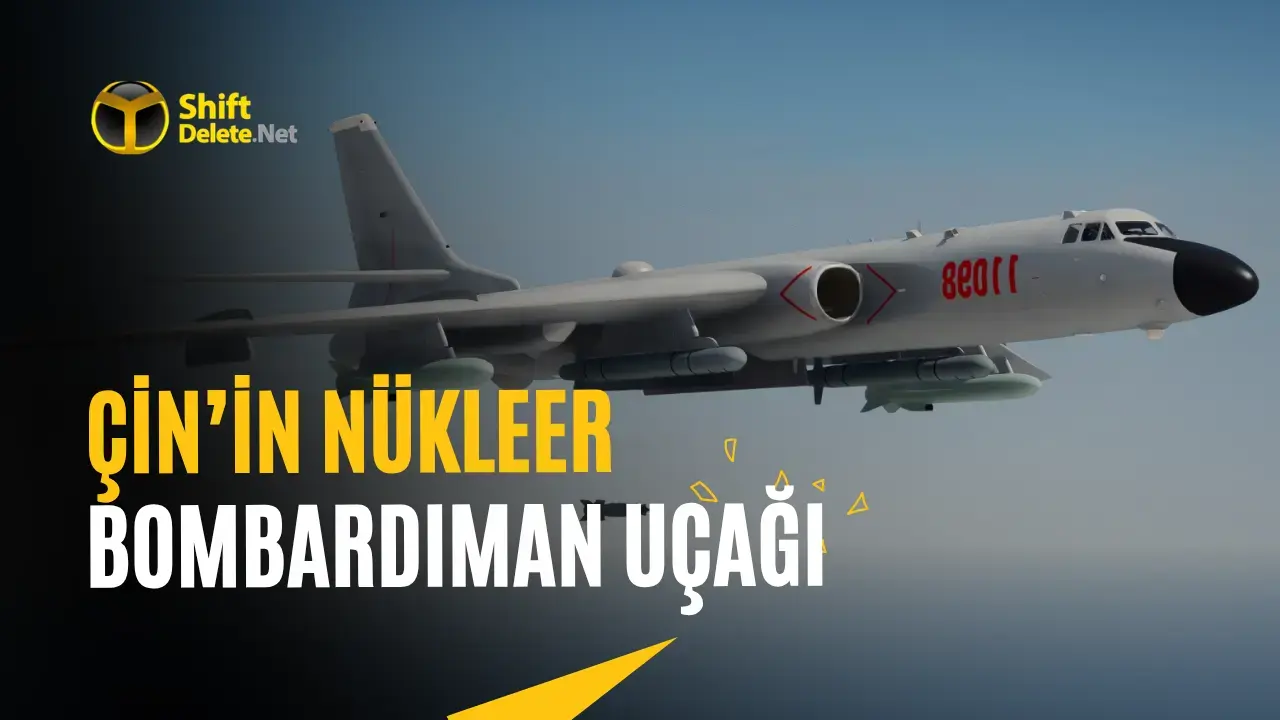
In a significant demonstration of its evolving strategic military strength, China has officially showcased its H-6N strategic bomber equipped with nuclear-capable weaponry. Released through state-run media, the footage displays the H-6N aircraft carrying a large, air-launched ballistic missile while being escorted by two J-20 fifth-generation stealth fighters. This public display marks the first time Beijing has clearly linked the H-6N platform to its active nuclear mission profiles. While specific operational details regarding the nature of the drills remain undisclosed, the move signals a major advancement in the operational readiness of China’s air-based nuclear deterrent capabilities.
- The H-6N bomber represents a core pillar of China’s long-range strategic strike capability.
- The aircraft is believed to carry the Jinglei-1 (JL-1) air-launched ballistic missile capable of delivering nuclear warheads.
- Integrated J-20 fighter escorts provide necessary protection for the non-stealthy bomber during potential high-stakes missions.
- The platform features an aerial refueling probe and a modified fuselage to support extended strategic operations.
The integration of the H-6N and the JL-1 missile effectively completes China’s long-sought nuclear triad.
The H-6N Carries Specialized Armament
The missile visible in the newly released footage is identified by defense analysts as the Jinglei-1 (JL-1). First introduced to the public during the 2025 Victory Day parade, this air-launched ballistic missile serves as a vital component of the nation’s nuclear strategy. Unlike standard H-6 variants, the H-6N features a heavily modified fuselage specifically designed to accommodate heavy, center-mounted munitions. 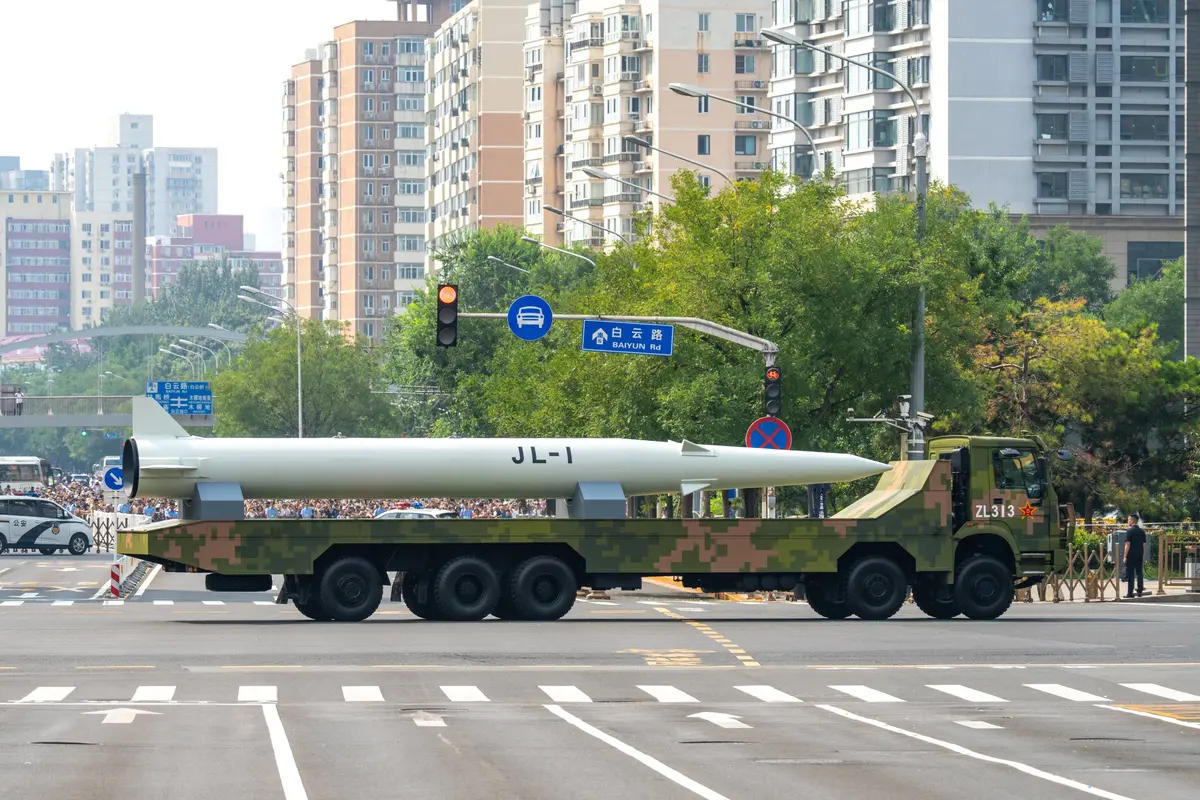
Furthermore, the inclusion of an aerial refueling probe significantly enhances the bomber’s range and endurance. By allowing the aircraft to remain airborne for extended periods, the People’s Liberation Army Air Force gains a broader operational reach, ensuring that the bomber remains a persistent threat within the Indo-Pacific theater.
J-20 Fighters Provide Necessary Escort
The decision to pair the H-6N with two J-20 stealth fighters highlights a tactical shift in how China approaches strategic air assaults. Because the H-6N lacks stealth characteristics, it remains vulnerable to modern integrated air defense systems. 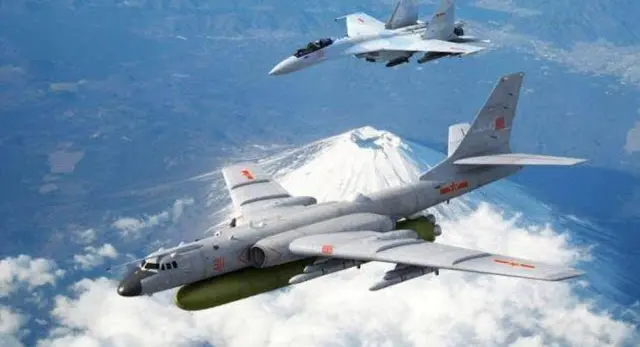
By utilizing J-20s as escorts, the Chinese military aims to neutralize enemy fighters and long-range threats that could intercept the bomber. This coordination demonstrates that China now views its strategic air power not as an isolated asset, but as part of a complex, sensor-fused network designed to penetrate contested airspace.
Strategic Deterrence Reaches New Levels
The combination of the H-6N and the JL-1 provides China with a flexible, mobile nuclear delivery platform. Unlike static land-based missile silos, which are easily targeted, mobile bombers can be scrambled before an incoming strike, significantly increasing their survival rate. This development strengthens the “second strike” capability, a cornerstone of stable nuclear deterrence.
Beijing is clearly signaling its ability to project power across the Pacific with newfound confidence.
Beijing Communicates a Strategic Message
This display is widely viewed as a calculated message to regional rivals and the United States. By presenting the H-6N, the JL-1, and the J-20 in a unified operational context, Beijing is showcasing a cohesive doctrine that merges nuclear deterrence with air superiority. As competition in the Pacific intensifies, these capabilities indicate that China is rapidly diversifying its options for long-range force projection.
What are your thoughts on how the deployment of these strategic bombers alters the current military balance in the Pacific region? Join the conversation below and share your perspective on these latest developments.
Your comment has been submitted,
it will be published after approval.