
Apple Plans Camera-Equipped AirPods Launch for 2027

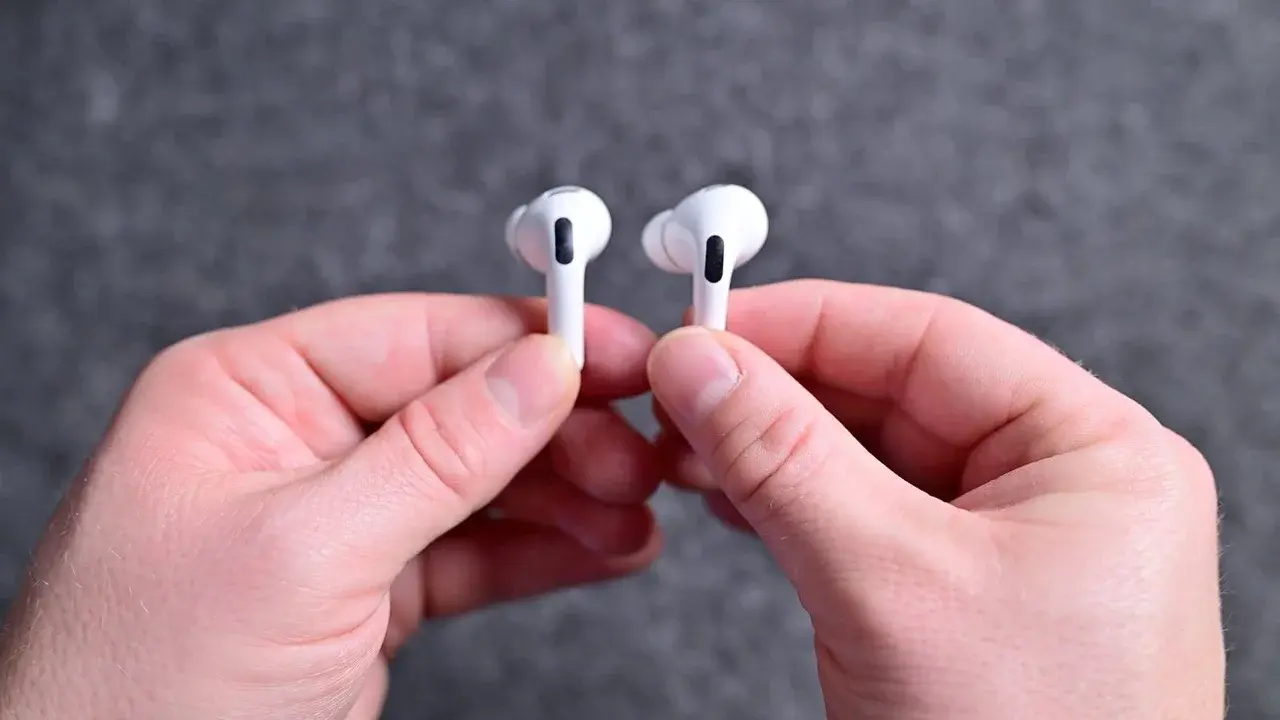
Apple is actively developing new AirPods models featuring integrated camera technology, with a projected market release set for 2027. According to a recent Bloomberg report, the tech giant has shifted its strategic focus toward the AirPods Pro 4 series rather than the previously anticipated third-generation models. While rumors of these futuristic wearables have circulated for some time, internal development hurdles have pushed the expected launch date further into the future. By prioritizing the Pro 4 line, Apple aims to refine the integration of sensors that will assist users through advanced environmental data processing and enhanced accessibility features.
- Apple has officially transitioned its development efforts for camera-equipped wearables toward the upcoming AirPods Pro 4 series.
- The projected release window for these innovative audio devices has been set for the year 2027.
- The integrated camera sensors will strictly function for environmental data collection instead of capturing photos or videos.
Development Efforts Shift Toward AirPods Pro 4
Recent industry reports clarify that the previously leaked internal demo videos were linked to the now-abandoned AirPods Pro 3 project. Apple has decided to pivot its resources to ensure that the new camera-enabled technology is fully optimized for the succeeding generation. This strategic move suggests that the company is taking a cautious approach, aiming to resolve significant technical challenges before bringing such a complex product to the consumer market. 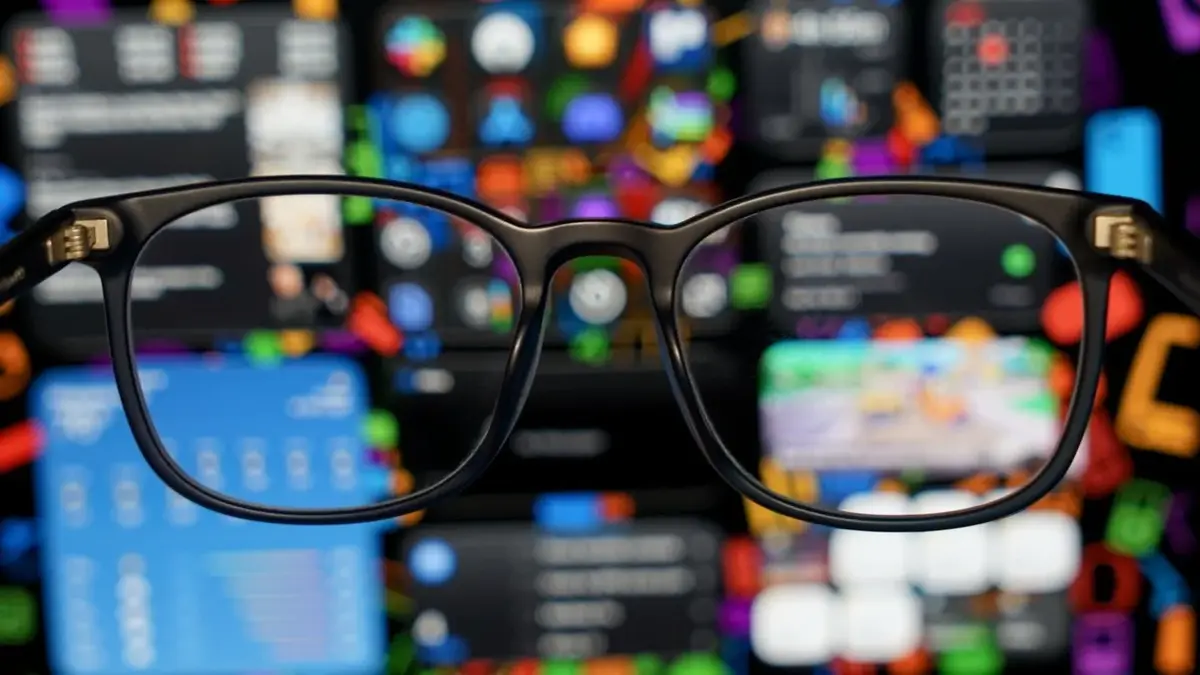 By focusing on the Pro 4, Apple intends to deliver a more robust and reliable experience that justifies the long development cycle.
The shift to the AirPods Pro 4 timeline confirms that Apple remains committed to integrating camera technology into its audio hardware.
Privacy Standards Dictate Camera Functionality
One of the most critical aspects of this development is the deliberate exclusion of photography and video recording capabilities. Apple is acutely aware of the privacy concerns that have historically hindered similar wearable devices, such as smart glasses produced by competitors. To avoid potential misuse and public backlash, these AirPods will not function as cameras for media creation. Instead, the hardware will utilize sensors to map the user’s surroundings, feeding data into artificial intelligence models to provide real-time assistance. This design choice effectively eliminates privacy risks associated with unauthorized recording while maximizing the utility of the hardware for accessibility purposes.
Accessibility Tools Gain New Capabilities
The primary objective for these cameras is to empower users with visual impairments or those who require environmental context in their daily routines. By processing spatial data, the device will be able to offer audible feedback or guidance, effectively acting as a digital assistant for navigation and object recognition. The physical constraints of the AirPods, such as limited battery life and compact dimensions, make high-resolution imaging impractical. Therefore, centering the technology on sensory input rather than image capture is a technical necessity that aligns with Apple’s long-term vision for human-centric computing.
Apple plans to implement rigorous security measures to ensure all visual data remains processed with the highest privacy standards.
As the company moves toward the 2027 launch, the success of this project will likely depend on how effectively Apple balances advanced AI features with user trust. The integration of spatial sensors into a device traditionally used for audio consumption marks a significant evolution in wearable technology. We are eager to hear your thoughts on this potential shift in functionality; do you believe that a camera-equipped device is useful if it cannot take photos, or is the focus on accessibility enough to win you over? Please share your perspective in the comments section below.
Your comment has been submitted,
it will be published after approval.