
Geely Announces 1,000 Km Range Electric Vehicles by 2027

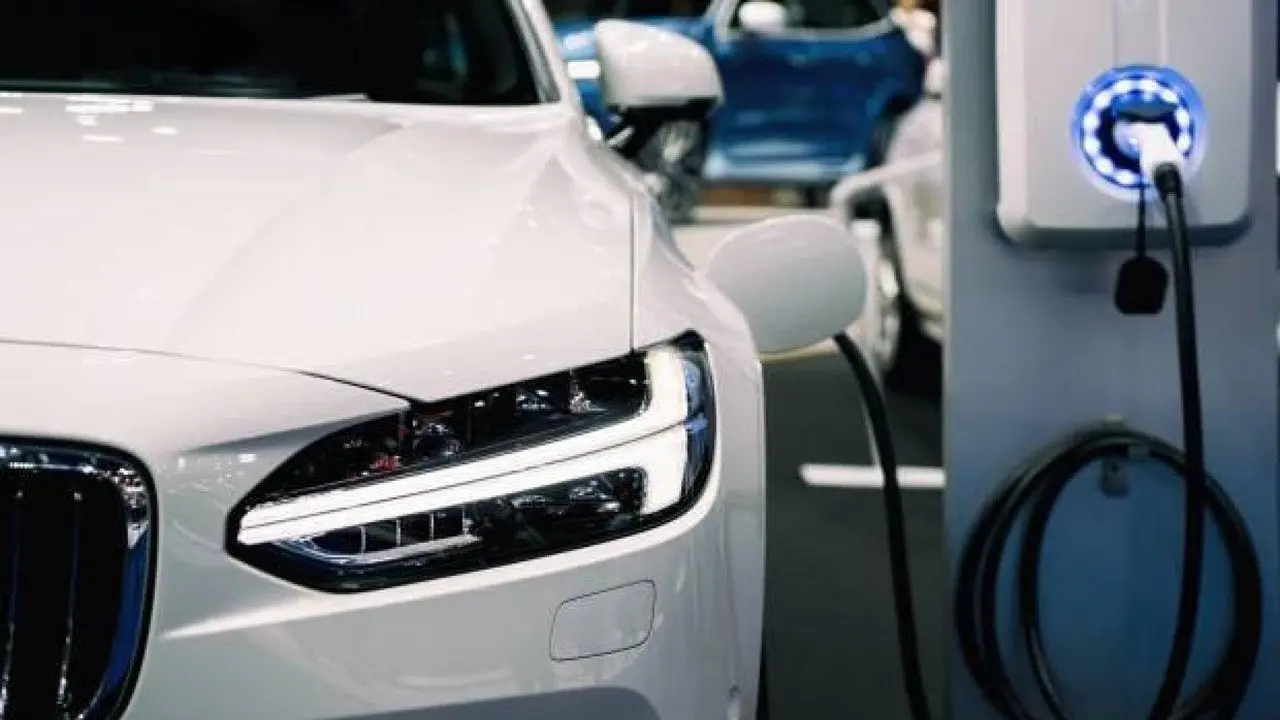
Geely Holding, the prominent Chinese automotive giant, has officially unveiled its strategic roadmap for the integration of solid-state battery technology into its extensive vehicle portfolio. Aiming to effectively eliminate range anxiety for consumers, the company plans to initiate real-world testing of its high-energy-density batteries in 2026, followed by a pilot deployment across its various brands in 2027. This technological leap promises to deliver electric vehicles capable of exceeding a 1,000-kilometer range on a single charge, setting a new benchmark for the global electric vehicle market and challenging the long-standing dominance of traditional internal combustion engine vehicles.
- Geely intends to launch pilot programs for its new solid-state battery technology across its diverse brand portfolio in 2027.
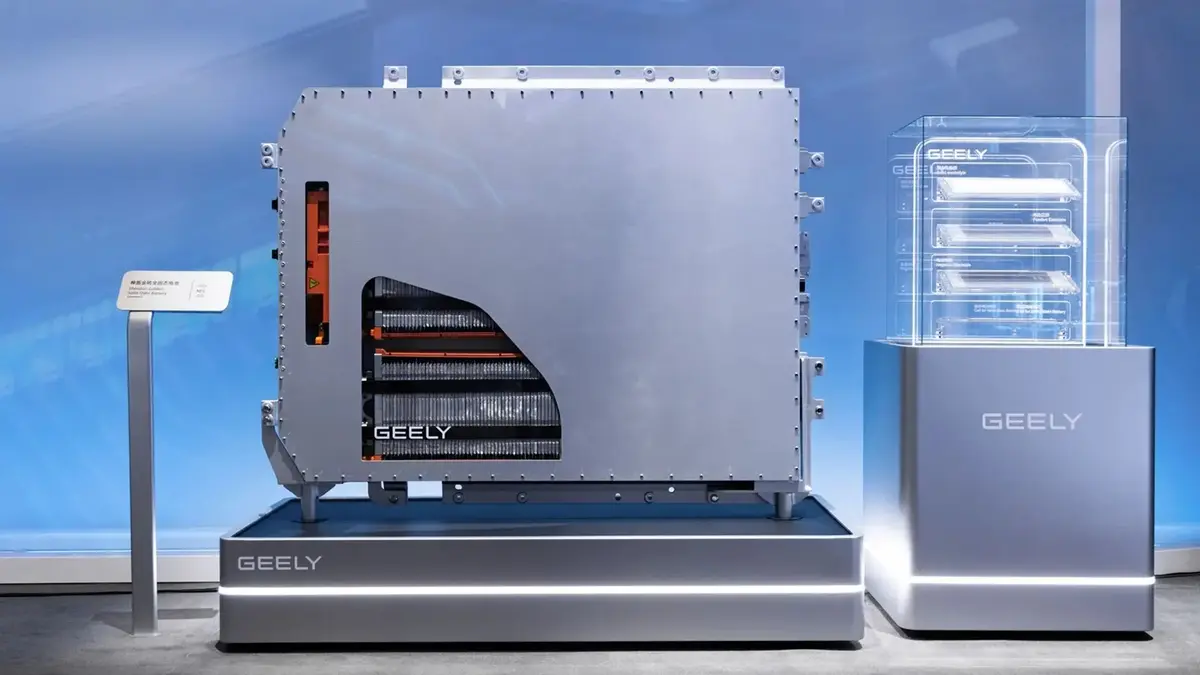
- The advanced battery architecture will reach an impressive energy density of 500 Wh/kg, which doubles the capacity of existing liquid-electrolyte systems.
- This initiative involves a wide range of brands including Volvo, Polestar, Zeekr, and Lotus to ensure broad market coverage.
The shift toward solid-state technology signifies a definitive transition toward long-range, high-efficiency electric mobility.
Energy Density Standards Reach New Heights
The core innovation behind this development lies in the architecture of the new battery cells. While Geely’s current high-performance “Golden Brick” batteries, which utilize liquid electrolytes, offer a respectable density of approximately 250 Wh/kg, the upcoming solid-state units aim to double this figure. By achieving 500 Wh/kg, these batteries allow for significantly more power to be stored in a smaller, lighter footprint. This technical achievement is the primary factor enabling vehicles to bridge the gap between traditional fuel-powered cars and modern electric alternatives, effectively pushing the range threshold well beyond the 1,000-kilometer milestone.
Multiple Automotive Brands Prepare for Integration
Geely has confirmed that this proprietary battery technology will not be confined to a single marque. Instead, the holding company intends to distribute the benefits of this innovation across its entire ecosystem. The integration plan covers a wide spectrum of vehicle categories, ranging from premium luxury models like Volvo and Polestar to performance-oriented brands such as Lotus and Smart. Furthermore, the company aims to enhance its presence in the commercial and regional vehicle sectors through its Proton and Farizon subsidiaries, ensuring that the benefits of extended range are accessible across various transport segments.
Geely’s strategic deployment strategy positions the group to lead the next generation of global electrification.
Global Competition Intensifies for 2027
The timeline established by Geely aligns with a broader industry trend where 2027 is viewed as the critical year for the commercialization of solid-state batteries. Industry leaders, including CATL and BYD, are also targeting this period for the pilot production and initial field deployment of their own next-generation energy storage systems. As these manufacturers converge on the same launch window, the automotive market stands on the brink of a major transformation. Experts anticipate that by the end of the decade, shorter charging durations and four-digit range figures will become the new industry standard for electric vehicles.
Do you believe that a 1,000-kilometer range is the final hurdle for mass electric vehicle adoption, or are charging infrastructure developments just as important? Share your thoughts in the comments below.
Your comment has been submitted,
it will be published after approval.