
Understanding What Stock Means in the Global Automotive Industry

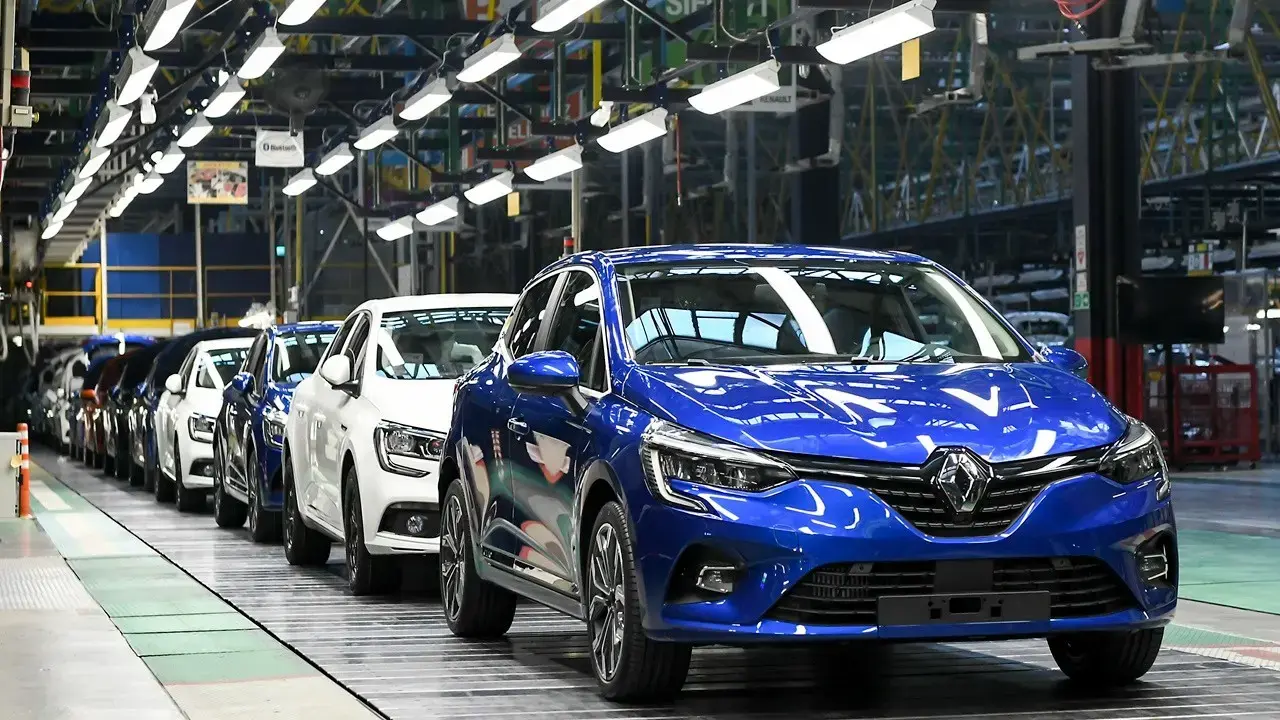
The term “stock” in the automotive industry refers to a vehicle that remains in its original factory condition, exactly as it was manufactured and sold by the producer. In various automotive markets across the globe, enthusiasts and casual drivers alike use this term to distinguish between untouched vehicles and those that have undergone aftermarket modifications. This classification is vital for determining the vehicle’s market value, insurance premiums, and mechanical integrity. By adhering to the specifications set by the engineering team, a stock car ensures that every component—from the engine to the suspension—functions within the parameters established during the initial design phase.
- A stock vehicle retains all original components and settings established by the manufacturer during the production process.
- Modified cars differ from stock versions because they feature aftermarket upgrades that alter performance or appearance.
- Maintaining a stock engine ensures that the vehicle operates within its intended safety and efficiency limits.
Stock Condition Defines the Original State of a Vehicle
When a car is described as “stock,” it means that every single part of the machine is an original component that came with the vehicle from the assembly line. This includes the engine, exhaust system, suspension, wheels, and even the software that manages the car’s electronics. For many collectors and daily drivers, the term represents a guarantee of consistency. If a vehicle has not been tampered with, it is generally easier to predict its maintenance needs and performance capabilities over time.

Automotive enthusiasts often debate the exact boundaries of what constitutes a stock vehicle. Some purists believe that even changing the brand of tires or the type of oil filter moves a car away from its stock status. However, in general market terms, “stock” refers to the absence of significant modifications that change the vehicle’s character or mechanical output. As long as the primary hardware and software remain identical to the factory specifications, the car is widely accepted as being in stock condition.
A stock vehicle represents the pure engineering vision of the manufacturer before any external changes occur.
Modified and Stock Vehicles Offer Different Ownership Experiences
The distinction between a stock car and a modified one is often a matter of personal preference and intended use. While stock vehicles are designed to appeal to a broad audience by balancing comfort, fuel efficiency, and durability, modified vehicles are tailored to specific tastes. Modifications can range from aesthetic changes, such as new paint or body kits, to deep mechanical alterations like turbocharger upgrades or remapped engine control units.
One of the primary benefits of keeping a car in its stock state is the preservation of the manufacturer’s warranty. Most car companies will void parts of a warranty if they discover that the owner has installed non-authorized components. Additionally, stock cars tend to have a higher resale value in the long run. Buyers in the used car market often prefer vehicles that have not been modified, as they are perceived as being more reliable and less likely to have been driven aggressively.
The term stock does not imply low quality but rather signifies untouched factory integrity.
Stock Engines Maintain Factory Performance Standards
A “stock engine” is a specific term used to describe a powertrain that has not been tuned or upgraded for extra horsepower or torque. In the world of performance tuning, many owners seek to squeeze every bit of power out of their engines. However, a stock engine remains at the levels determined by the manufacturer to be safe and sustainable for the life of the vehicle. This means the internal components, such as pistons, camshafts, and valves, are all original.
Choosing to keep an engine in its stock form often results in better fuel economy and lower emissions compared to modified counterparts. Manufacturers spend millions of dollars in research and development to find the perfect balance for their engines. When an owner decides to keep their car stock, they are essentially trusting the expertise of the engineers who built it. This approach minimizes the risk of unexpected mechanical failures that often plague highly modified street cars.
Do you prefer the reliability of a completely stock vehicle, or do you enjoy customizing your car to reflect your personal style? Share your thoughts and experiences with factory-original versus modified cars in the comments below!
Your comment has been submitted,
it will be published after approval.