
Turkish Radars Track Israeli Jets Near Syrian Border

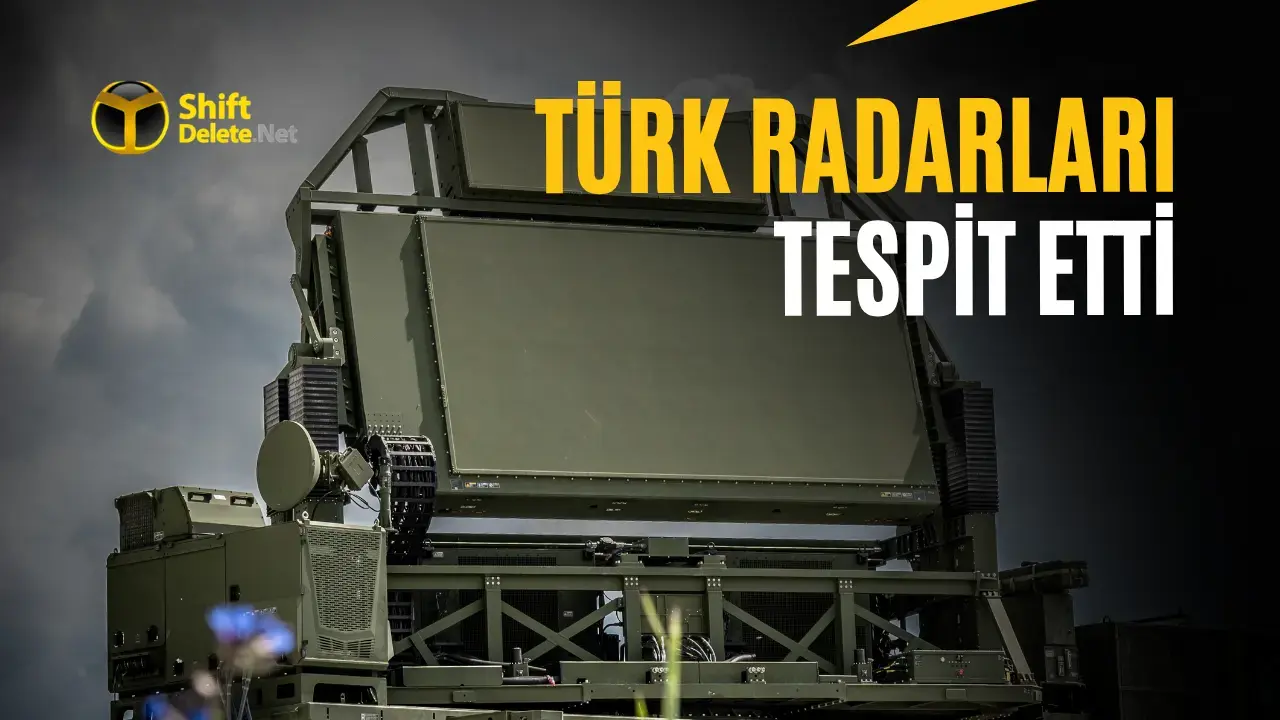
Recent reports indicate that Turkish long-range radar systems successfully detected and tracked Israeli fighter jets during an air strike operation near an airport in the Idlib region of Syria. According to security sources, the aircraft approached within two to three minutes of flight time from the Turkish border before changing their course to avoid entering Turkish sovereign airspace. This incident highlights the advanced surveillance capabilities of the Turkish Armed Forces along its southern border, confirming that the nation maintains a comprehensive and real-time monitoring grid over regional aerial activities.
- Turkish radar networks successfully tracked Israeli aircraft operating near the Syrian border without any breach of national airspace.
- The incident underlines the effectiveness of Turkey’s integrated early warning radar architecture in monitoring regional security threats.
- Advanced AESA-based radar systems like the ALP 300-G provide high-fidelity tracking of aerial targets in complex environments.
Integrated Radar Networks Enhance Surveillance Capabilities
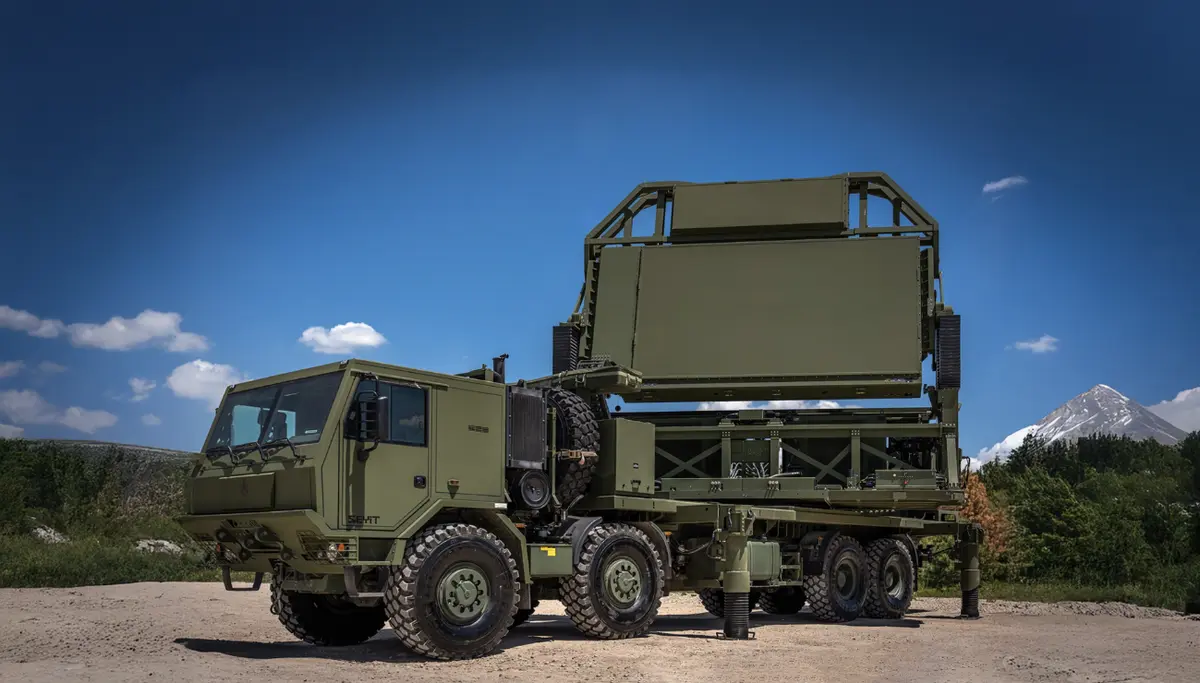
The ability to monitor regional airspace relies on an integrated, multi-layered radar architecture that utilizes systems with varying ranges and operational roles. A cornerstone of this network is the ALP radar family, developed domestically by ASELSAN. The ALP 300-G portable early warning radar, which entered the military inventory in 2024, utilizes advanced AESA technology. Featuring over 4,000 transmit-receive modules, the system maintains operational continuity even if individual components suffer technical failures.
The system possesses the capability to process data equivalent to 81 DVDs per second, ensuring rapid threat identification.
Advanced Systems Detect Low-Visibility Targets
Beyond mobile systems, the Turkish radar grid incorporates long-range stationary units such as the ALP 500-G. This radar is specifically engineered for the detection and classification of stealth aircraft and targets with low radar cross-sections. While the ability to detect stealth technology is a significant technical milestone, experts emphasize that identifying a target is only the first step in a complex defensive process. Success depends on the seamless integration of radar data into command-and-control centers, enabling a unified air picture across all defensive sectors.
Defense Networks Coordinate Real-Time Responses
The primary objective of these early warning sensors is to provide actionable intelligence to the broader air defense network rather than engaging targets directly. By feeding three-dimensional air imagery into NATO’s Air Command and Control System (ACCS), these radars allow military commanders to make informed decisions based on fused data from multiple sources. This interconnectedness transforms raw sensor input into a strategic advantage, ensuring that potential threats are identified long before they reach sensitive areas.
The true defensive strength of Turkey lies in its synchronized network rather than the performance of any single radar unit.
If confirmed, the tracking of these jets proves that the Turkish surveillance network is fully capable of maintaining regional stability by monitoring all aerial movements near its borders. We invite our readers to share their thoughts on how advancements in domestic radar technology might influence future regional security dynamics in the comments section below.
Your comment has been submitted,
it will be published after approval.