
ASELSAN Showcases TUFAN Kamikaze Unmanned Surface Vessel at Sea

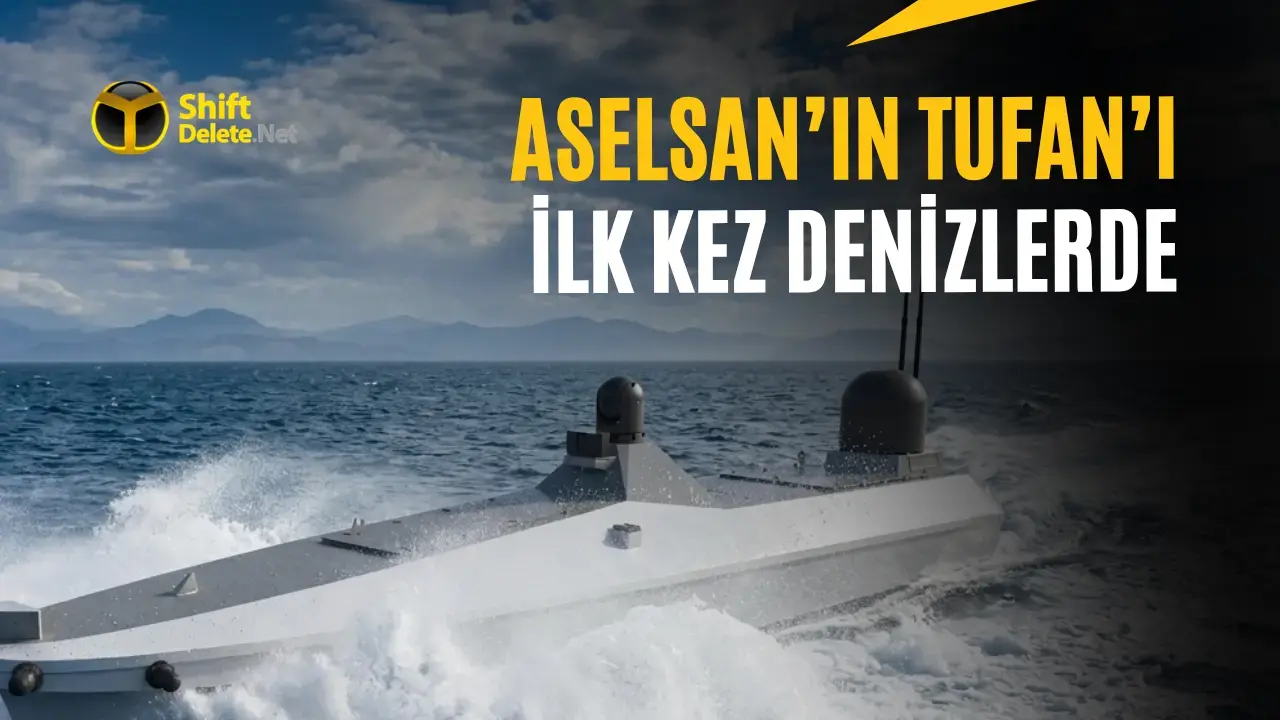
ASELSAN has officially debuted its TUFAN Kamikaze Unmanned Surface Vessel (USV) in a maritime environment for the first time. The company presented the platform during the TEKNOFEST Mavi Vatan event, highlighting the vessel as a transformative asset for modern naval warfare. Developed to operate autonomously and in coordinated swarms, the TUFAN represents a significant advancement in Turkey’s unmanned maritime capabilities. By integrating high-explosive warheads with sophisticated sensor technology, the platform is designed to challenge existing defensive doctrines, marking a new milestone in ASELSAN’s ongoing efforts to modernize the Turkish naval fleet through advanced autonomous robotic systems.
- TUFAN achieves speeds exceeding 50 knots with an operational range of 200 nautical miles.
- The platform features swarm intelligence, allowing multiple vessels to coordinate complex asymmetric attack formations.
- The system maintains autonomous operational capabilities even in environments where GNSS signals or communication links face interference.
The introduction of the TUFAN platform signifies a tactical shift toward high-speed, swarm-based naval deterrence.
TUFAN Boasts High Speed and Extensive Operational Range
Technical specifications reveal that the TUFAN measures 8 meters in length and 1.8 meters in width. Powered by a gasoline engine and a water jet propulsion system, the USV is engineered to reach speeds of at least 50 knots. Its 200-nautical-mile range confirms that this vehicle extends well beyond simple coastal defense roles. 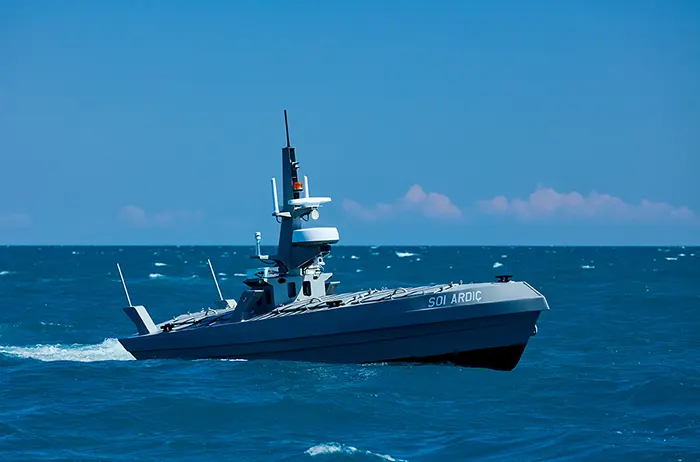 Because it can be transported from various harbors or launched from larger naval platforms, it offers tactical flexibility for long-range missions in disputed waters.
Swarms Provide Coordinated Tactical Advantages
A primary strength of the TUFAN system lies in its swarm capability. ASELSAN designed the platform to function in sub-groups that execute asymmetric maneuvers simultaneously. Through advanced sensor fusion and autonomous task allocation, these vessels act as a unified force. This coordinated approach forces opposing naval defense systems to manage multiple high-speed threats at once, significantly complicating the enemy’s engagement calculations.
Coordinated swarm intelligence allows TUFAN units to overwhelm sophisticated defensive perimeter systems.
Resilience Ensures Operational Success During Communication Blackouts
One of the most critical aspects of the TUFAN design is its ability to operate in contested electronic environments. The system remains fully functional even when GNSS or satellite communication links are restricted or jammed. Utilizing artificial intelligence for image-based target detection and autonomous obstacle avoidance, the vessel can identify and engage threats without external guidance. The platform supports a variety of communication protocols, including RF line-of-sight, mesh networks, 4G/LTE, and satellite links, ensuring seamless integration into diverse command-and-control architectures.
Naval Warfare Enters a New Era of Automation
This development follows earlier successes by ASELSAN, such as the deployment of the ALBATROS-S kamikaze USV in conjunction with Bayraktar TB3 drones. While previous missions proved that air and sea platforms could share data over long distances, the TUFAN elevates this concept by introducing higher levels of autonomy. As Turkey continues to refine its unmanned naval doctrine, the TUFAN is expected to serve as a cornerstone of future maritime operations. The industry anticipates that this platform will redefine how naval commanders approach asymmetric threats in the Mavi Vatan region.
How do you think the integration of autonomous swarm vessels like the TUFAN will alter the balance of power in modern naval conflicts? We invite you to share your thoughts and technical insights in the comments section below.
Your comment has been submitted,
it will be published after approval.