
Türkiye Currently Constructs Over 50 Advanced Warships

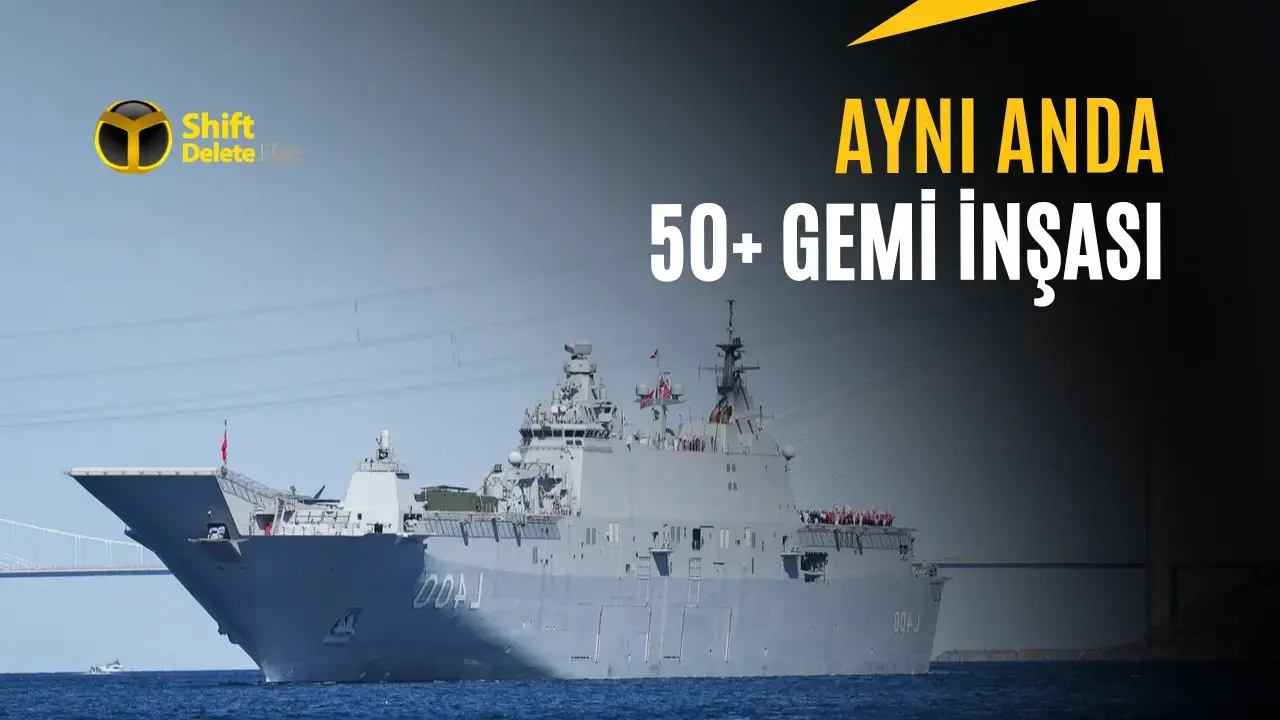
During the TEKNOFEST Mavi Vatan event, Turkish Naval Forces Commander Admiral Ercüment Tatlıoğlu announced that Turkey is currently engaged in the massive construction of over 50 warships simultaneously. This extensive naval shipbuilding program, which encompasses a total of 61 platforms including vessels for export, highlights the country’s growing industrial capacity. As Türkiye strengthens its maritime sovereignty, the initiative involves both domestic production for the Turkish Navy and fulfillment of international defense contracts. This robust activity signals a significant leap in Turkey’s strategic position within the defense sector, aiming to modernize the fleet with highly advanced, indigenous naval assets.
- Türkiye is currently producing more than 50 warships across various shipyards.
- The current production schedule includes 37 vessels for the Turkish Navy and 24 platforms for international customers.
- The naval development program prioritizes the construction of a national aircraft carrier and air defense destroyers.
- Advanced domestic munitions like the ATMACA missile and AKYA torpedo are being integrated into these new vessels.
Nation Expands Production of Strategic Naval Assets
The Admiral emphasized that the shift in naval architecture is moving toward larger, more capable platforms. Beyond standard frigates and corvettes, the nation is making steady progress on its national aircraft carrier project, the TCG Kocatepe air defense destroyer, and indigenous submarine development. These high-tier assets are expected to fundamentally transform the operational capabilities and power projection of the Turkish naval forces in the coming decade.
These sovereign projects represent a major technological milestone for the Turkish defense industry.
Unmanned Systems Enhance Maritime Operations
Integration of unmanned aerial and underwater vehicles is a central component of this transformation. Admiral Tatlıoğlu highlighted the successful deployment of Bayraktar TB3 drones from the TCG Anadolu amphibious assault ship. Because the TB3 can operate without the need for traditional catapult systems, it provides critical reconnaissance and strike capabilities to vessels that were not originally designed for standard fighter jets.
Furthermore, the development of unmanned surface vessels (USVs) and underwater systems is accelerating. These tools provide the navy with a multi-layered defense strategy, allowing for autonomous operations in contested waters while minimizing risks to human personnel.
Domestic Munitions Equip the Modern Fleet
The modernization effort extends well beyond the physical hulls of the ships. A crucial aspect of this naval evolution is the transition to fully indigenous weapon systems. Currently, the fleet is being equipped with advanced weaponry such as the ATMACA anti-ship missile, the AKYA heavy-weight torpedo, and the HİSAR-Deniz air defense system.
Turkey has now achieved full autonomy in equipping its warships with domestic sensors and munitions.
By producing its own guided munitions, naval mines, and air defense interceptors, Turkey has secured its supply chain against external dependencies. This holistic approach ensures that every new vessel entering the inventory is ready to perform complex tactical missions with state-of-the-art native technology.
How do you evaluate the strategic impact of Turkey’s rapid naval expansion on regional maritime stability? Please share your thoughts and perspectives in the comments section below.
Your comment has been submitted,
it will be published after approval.