
Tesla and 10 Automakers Recall 4 Million Vehicles Over Handles

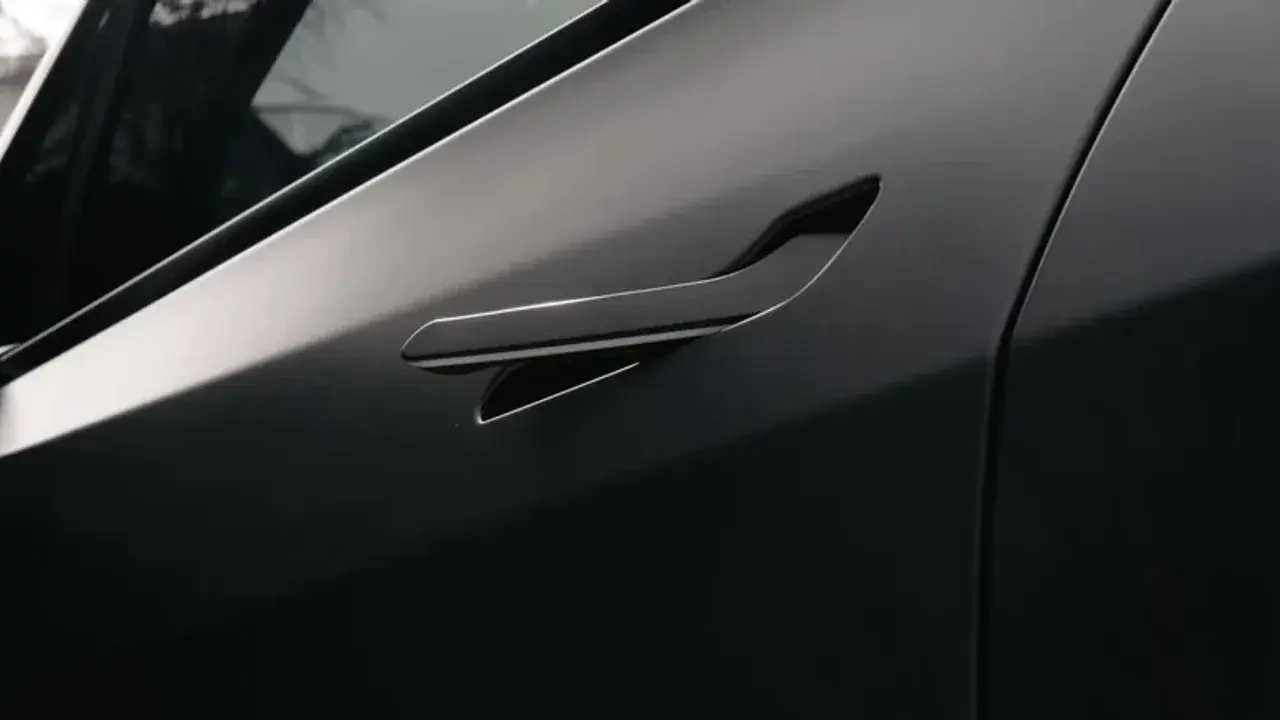
In an unprecedented move for the Chinese automotive industry, 11 manufacturers, including Tesla, have initiated a massive recall of approximately 4.3 million vehicles due to critical safety risks associated with flush-mounted door handles. These recessed mechanisms, which are increasingly popular in modern electric vehicles, have been identified as a significant hazard if a crash renders the car’s electrical system completely unresponsive. As this represents the largest automotive recall in China’s history, Tesla alone accounts for roughly 3 million units, specifically impacting its Model 3, Model Y, Model S, and Model X lineups. The widespread nature of this recall highlights growing concerns regarding electronic accessibility during emergency scenarios.
- A total of 4.3 million electric vehicles are being recalled in China due to safety concerns regarding flush-mounted door handles.
- Tesla represents the largest share of the recall, covering approximately 3 million of its vehicle models.
- The Chinese government will mandate mechanical door opening systems by 2027 to ensure safety during power failures.
The recall process involves multiple safety measures designed to protect vehicle occupants. Tesla has committed to providing complimentary warning labels for door handles, while other manufacturers, including Xiaomi, have adopted similar informational strategies. 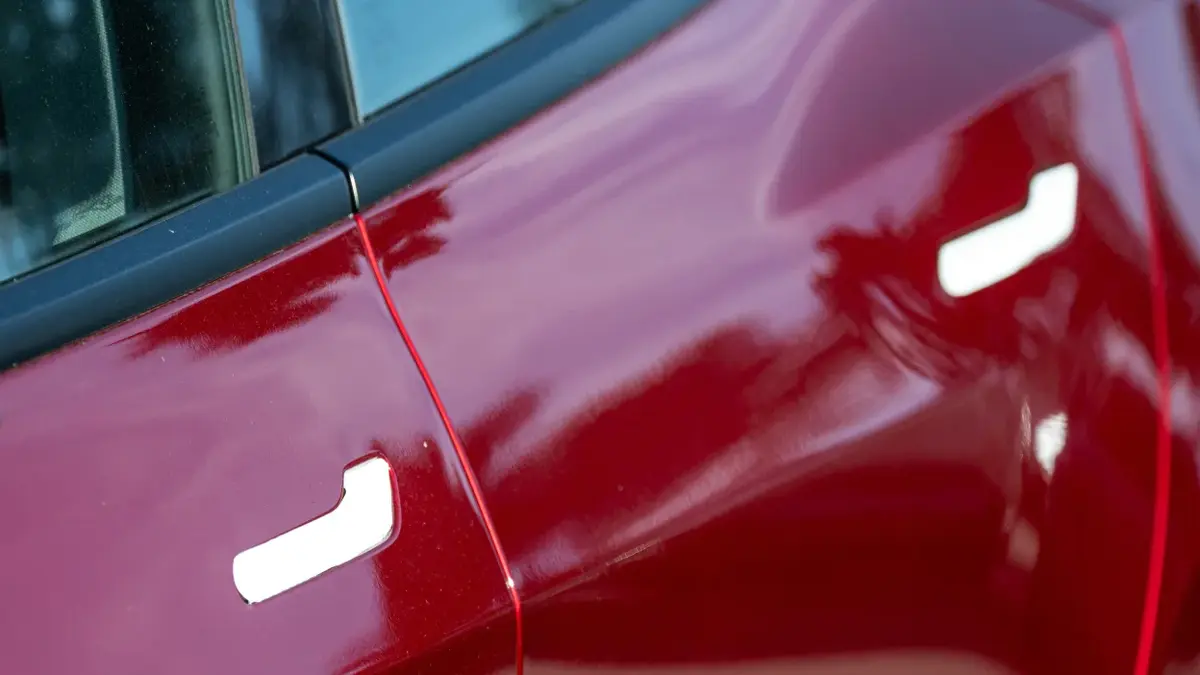 These companies are also deploying software updates that automatically unlock windows during a collision to facilitate faster passenger evacuation and allow easier access for emergency response teams.
Chinese Authorities Plan to Prohibit Certain Designs
The regulatory landscape regarding vehicle safety is undergoing a significant transformation in China. The government has announced intentions to strictly regulate, and eventually phase out, the current iteration of flush-mounted door handles by 2027. New national standards will mandate the inclusion of mechanical opening systems, both inside and outside the vehicle, that function independently of the car’s electrical architecture. This shift follows several tragic accidents where victims were trapped inside their vehicles due to electrical failures that prevented the electronic doors from operating.
Global Regulators Monitor Electronic Door Systems
The safety concerns surrounding electronic door handles extend far beyond the borders of China.
International organizations are now scrutinizing these complex entry systems. The United States National Highway Traffic Safety Administration (NHTSA) has launched a formal investigation into Tesla’s electronic door handles to determine whether they pose a similar risk to drivers in North America. This regulatory pressure is forcing automakers to reconsider the balance between aesthetic, aerodynamic design and fundamental occupant safety.
Engineers Develop Future Design Solutions
Tesla, in response to these ongoing challenges, is exploring innovative design modifications. Franz von Holzhausen, the company’s lead designer, recently suggested that they are working on a hybrid approach that integrates both electronic and mechanical manual override systems into a single, cohesive button. This development aims to provide a reliable backup that does not sacrifice the clean, aerodynamic profile of the vehicle. As the industry moves toward more sophisticated electric architectures, the focus remains on ensuring that modern technology never compromises the ability to escape a vehicle during an emergency. The automotive sector is clearly entering a phase where safety compliance must be prioritized alongside technological advancement to maintain public trust.
Given the increasing reliance on electronic systems in modern vehicles, how important do you believe manual overrides are for your personal peace of mind, and would you prioritize safety over a sleek design? Share your thoughts in the comments below.
Your comment has been submitted,
it will be published after approval.