
Pixel 11 Pro Fold Fails Durability Test Again

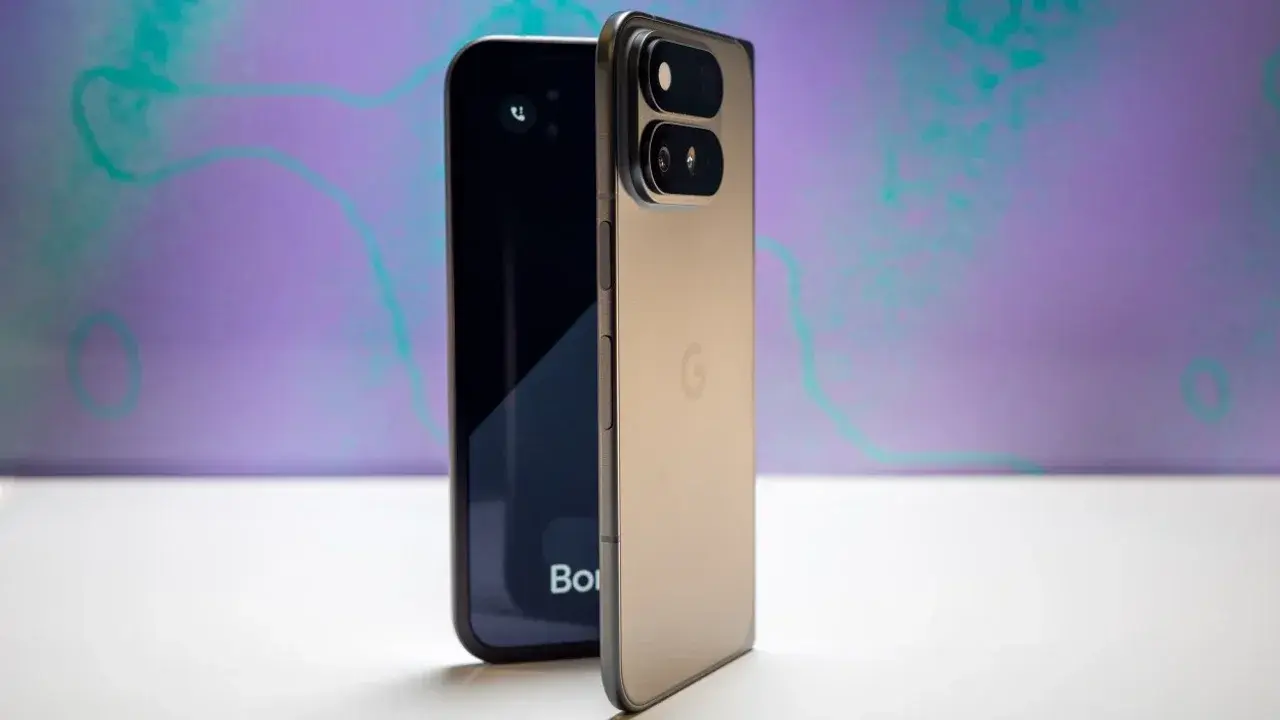
Google’s latest flagship, the Pixel 11 Pro Fold, has faced intense scrutiny after undergoing a rigorous durability test conducted by the prominent tech channel JerryRigEverything. Despite Google’s claims of improved build quality, the device struggled significantly during the standard stress evaluations. The testing process revealed critical vulnerabilities in the structural integrity of this premium foldable smartphone, which retails for $1,899. Although the internal battery remained stable throughout the ordeal, the device failed to withstand basic physical pressure, raising serious concerns regarding the long-term reliability and manufacturing standards of Google’s high-end foldable lineup.
- The Pixel 11 Pro Fold suffered a catastrophic structural failure at the antenna line during the bend test.
- The exterior screen demonstrated high scratch resistance up to the 6th level on the Mohs scale.
- Internal components, including the front and back panels, detached easily when subjected to manual pressure.
- The device’s rear panel material lacks the premium durability expected for a smartphone at its price point.
Structural Design Flaws Persist
The most alarming finding from the durability assessment is the recurring failure at the antenna line. Much like its predecessors, the Pixel 11 Pro Fold suffers from a design weakness that allows the chassis to snap into two distinct pieces when bent. 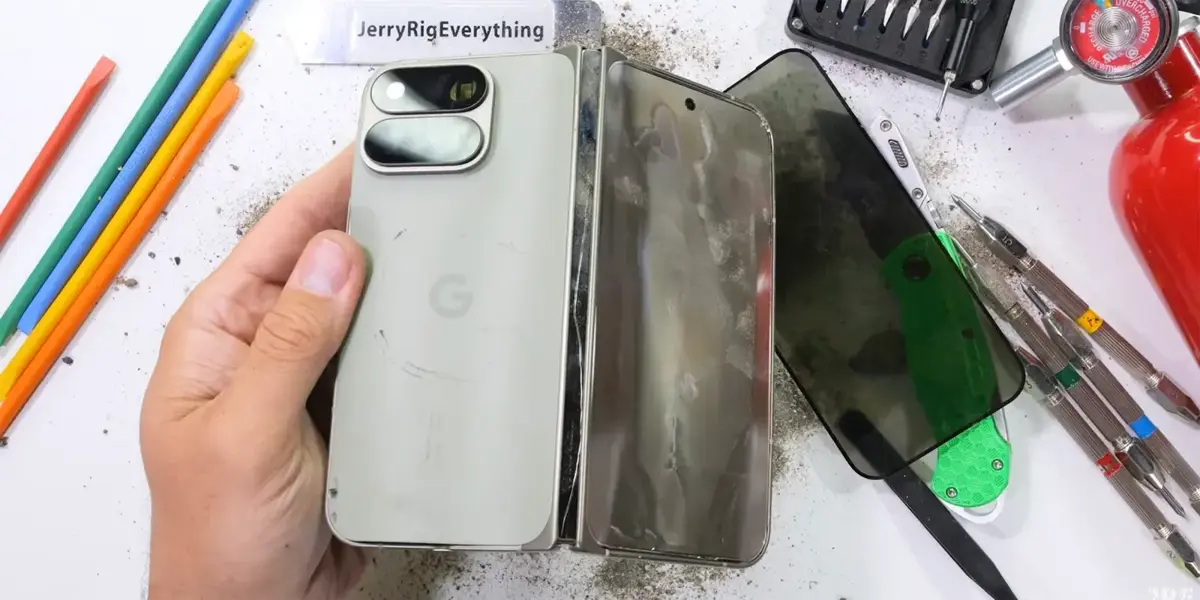 This persistent issue suggests that Google has yet to address the fundamental structural engineering problems inherent in their current foldable design language.
The structural integrity of the device failed to meet basic industry expectations for a flagship product.
Display Performance Shows Mixed Results
In contrast to the structural failures, the front display of the device performed admirably. The ceramic coating applied to the outer screen successfully resisted scratches up to level 6 on the Mohs scale, showing visible damage only at level 7. However, the rear panel of the device proved to be less resilient. Marketed as a sophisticated glass composite fiber, the material behaves more like a high-grade plastic, which is prone to deep scratches and surface damage from minor impacts. 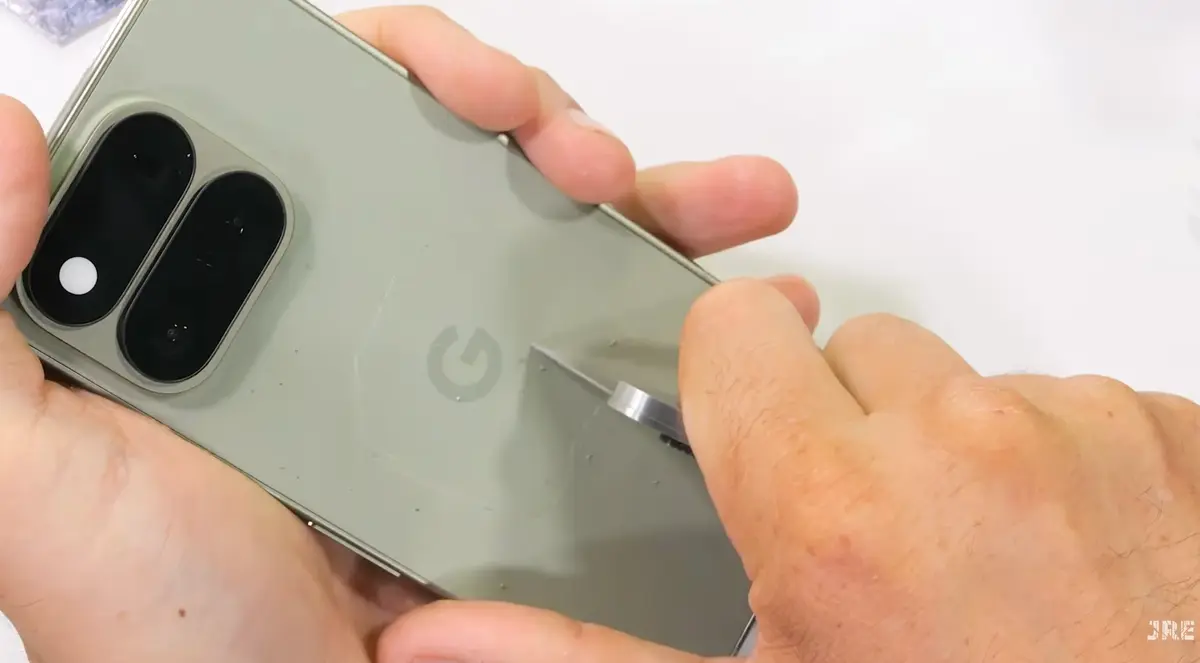
Build Quality Concerns Remain
The assembly of the device also raised eyebrows during the testing process. Under manual force, both the front and back panels separated from the main frame with minimal effort. This lack of adhesive strength and frame rigidity contradicts Google’s official statements regarding the durability of the rear panel. Given the high price point of $1,899, consumers are rightfully questioning whether the current design provides sufficient value or protection against accidental damage. It is evident that the Pixel 11 Pro Fold requires a significant architectural overhaul to compete effectively in the foldable market.
We are curious to hear your thoughts on this performance; does the structural vulnerability of the Pixel 11 Pro Fold change your perspective on purchasing such an expensive device, or do you believe foldable technology is still too fragile for daily use? Please share your opinions in the comments section below.
Your comment has been submitted,
it will be published after approval.