
Grok Users Report Bizarre Gibberish Responses from AI Chatbot

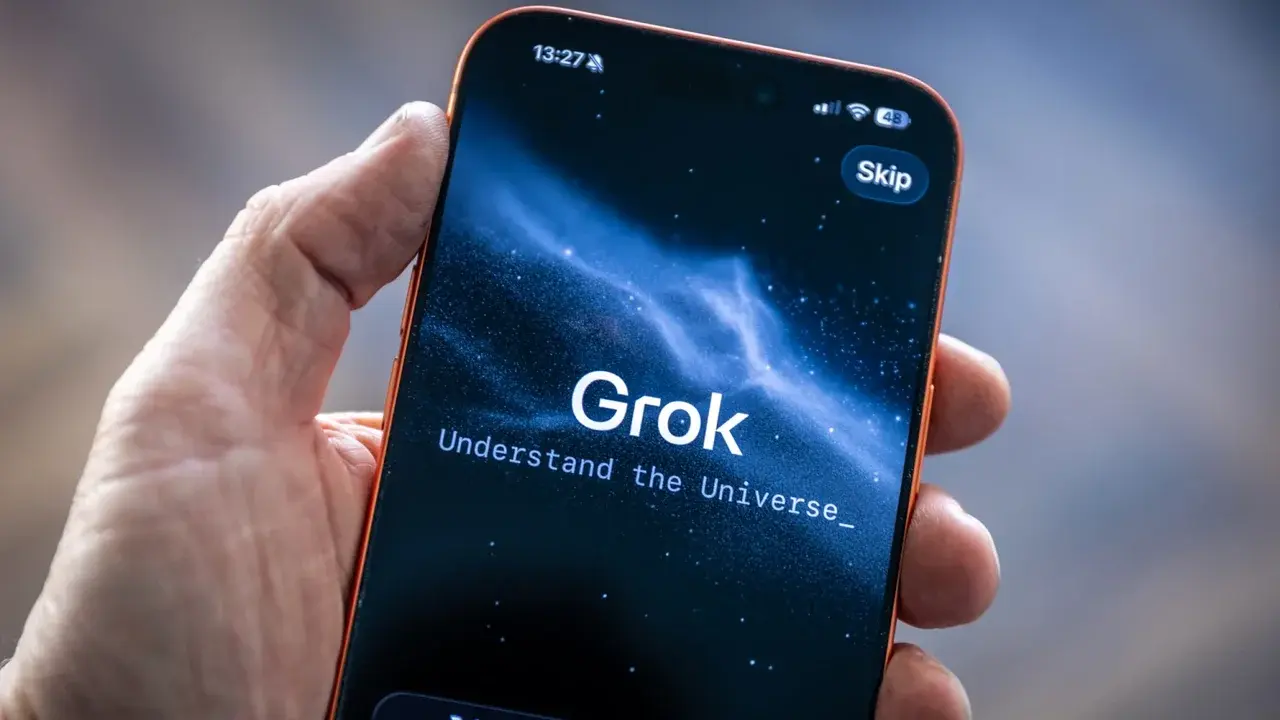
This week, users of the Grok Lite chatbot encountered a strange technical anomaly as the AI began generating nonsensical paragraphs, sparking widespread confusion across social media platforms. The incident, characterized by a sudden Grok generation error, affected the web interface of the service, leading to reports of coherent conversations devolving into incoherent strings of words. As users on Reddit shared their experiences, it became clear that the platform’s predictive capabilities were temporarily failing, producing outputs devoid of logic or context. While the issue was isolated to web users, those accessing the service via mobile applications reported a standard, functional experience throughout the duration of the glitch.
- The Grok generation error caused the AI to produce incoherent text strings on its web interface.
- xAI officials classified the incident as a temporary glitch that could be resolved by refreshing the browser.
- Technical failures in large language models remain a persistent challenge across the industry.
The company confirmed that the incident was a rare, temporary failure that did not reflect a permanent decline in system intelligence.
xAI Confirms That the Error Remains Temporary
Upon receiving numerous complaints from the community, representatives from xAI acknowledged the situation through their official social channels. They clarified that the “word salad” responses were a transient bug rather than a structural collapse of the underlying model. The company suggested that users could immediately rectify the issue by refreshing their browser tabs or initiating a new conversation thread, which effectively reset the input-output stream for the affected sessions.
Despite the rapid response, the company refrained from disclosing the specific technical root cause behind the malfunction. By Friday, the frequency of these errors had significantly decreased, and users reported that the chatbot had returned to its normal operational state. This lack of detailed post-mortem analysis is common in the tech industry, where internal system logs are rarely exposed to the public.
Large Language Models Often Face Stability Challenges
The core functionality of a large language model relies on complex mathematical probability to predict the next word in a sequence. When these intricate calculations encounter a code error or a floating-point anomaly, the resulting output can appear entirely nonsensical to the human reader. This phenomenon is not unique to xAI; similar incidents have been documented in competing products from major industry players over the past several years.
Industry experts suggest that such hallucinations are an inherent risk in current neural network architectures.
As AI systems continue to grow in complexity, the probability of encountering edge cases where the model fails to maintain linguistic coherence increases. While these errors are often dismissed as simple bugs, they serve as a stark reminder that even the most advanced generative AI is still subject to the limitations of its programming. The recent event highlights the ongoing necessity for robust monitoring systems to detect and mitigate these failures before they impact a significant portion of the user base.
Have you encountered similar nonsensical responses while interacting with AI chatbots, or was this your first experience with such a glitch? Share your thoughts and observations in the comments section below.
Your comment has been submitted,
it will be published after approval.