
TUSAŞ Plans Delivery of At Least 10 HÜRKUŞ Aircraft

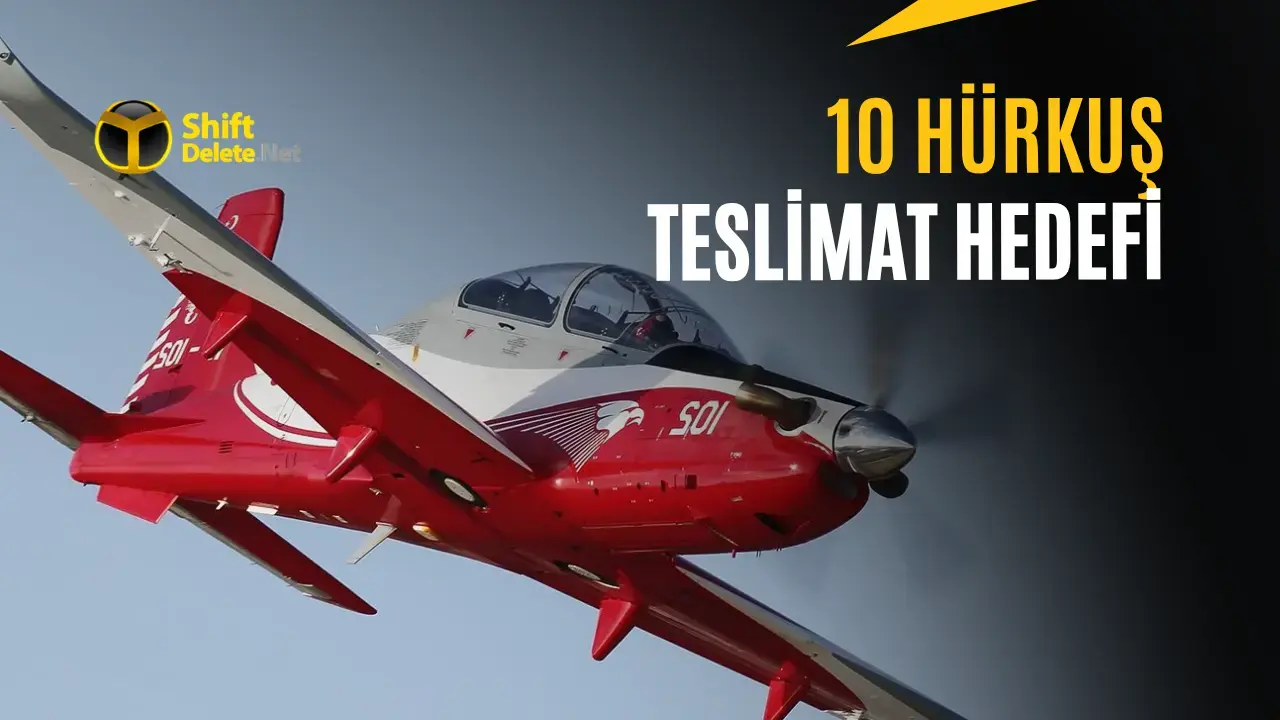
Turkish Aerospace Industries (TUSAŞ) is accelerating the production and delivery of the HÜRKUŞ New Generation Basic Trainer Aircraft to strengthen the pilot training capabilities of the Turkish Air Force in 2026. During the TEKNOFEST Mavi Vatan event, TUSAŞ General Manager Mehmet Demiroğlu confirmed that the company is committed to delivering at least 10 HÜRKUŞ units to the military within the current year. This strategic rollout aligns with the company’s broader objective to modernize flight training infrastructure, ensuring that Turkish pilots receive instruction on advanced, domestically developed platforms that feature cutting-edge avionics and human-machine interface systems.
- TUSAŞ aims to supply a minimum of 10 HÜRKUŞ aircraft to the Turkish Air Force throughout 2026.
- The company has previously indicated an ambitious plan to reach a total of 22 deliveries during the same calendar year.
- Official acceptance procedures for the HÜRKUŞ-2 variant have commenced following the successful completion of rigorous flight tests.
- The HÜRKUŞ aircraft serves as a cornerstone for basic flight training before pilots transition to advanced platforms like the HÜRJET.
Acceptance Processes are Now Underway
The transition toward operational status for the HÜRKUŞ platform has reached a critical milestone as formal acceptance procedures for the Turkish Air Force have officially begun. Following the completion of final flight tests for the HÜRKUŞ-2 model, the first aircraft was deployed to the Çiğli airbase. Officials anticipate that the initial phase of the formal acceptance process will be finalized by early August.
The HÜRKUŞ-2 platform is being praised by military personnel as a “flying Ferrari” due to its exceptional performance and agility.
2026 Serves as the Primary Delivery Year
TUSAŞ has designated 2026 as a landmark year for the delivery of the HÜRKUŞ New Generation Basic Trainer Aircraft. These aircraft are meticulously designed to handle both basic and advanced flight training requirements, integrating modern avionics that prepare pilots for the complexities of modern aerial combat. The platform is powered by the Pratt & Whitney Canada PT6A-68T turboprop engine, which generates 1,600 shaft horsepower.
Technical specifications confirm the aircraft maintains a maximum cruise speed of 533 km/h and a service ceiling of 11,970 meters.
With a maximum range of 1,190 kilometers, the HÜRKUŞ provides the necessary operational endurance for extensive training sorties. As TUSAŞ ramps up its production capacity, the influx of these aircraft is expected to significantly revitalize the national pilot training ecosystem. Furthermore, the successful integration of the HÜRKUŞ into the training curriculum sets the stage for the later introduction of the HÜRJET, which will handle the more advanced stages of the pilot training progression.
We would love to hear your thoughts on the modernization of the Turkish Air Force’s training fleet; please share your comments on the impact of the HÜRKUŞ program below.
Your comment has been submitted,
it will be published after approval.