
Turkey Targets 2027 for KAAN Armed Configuration Flight Tests

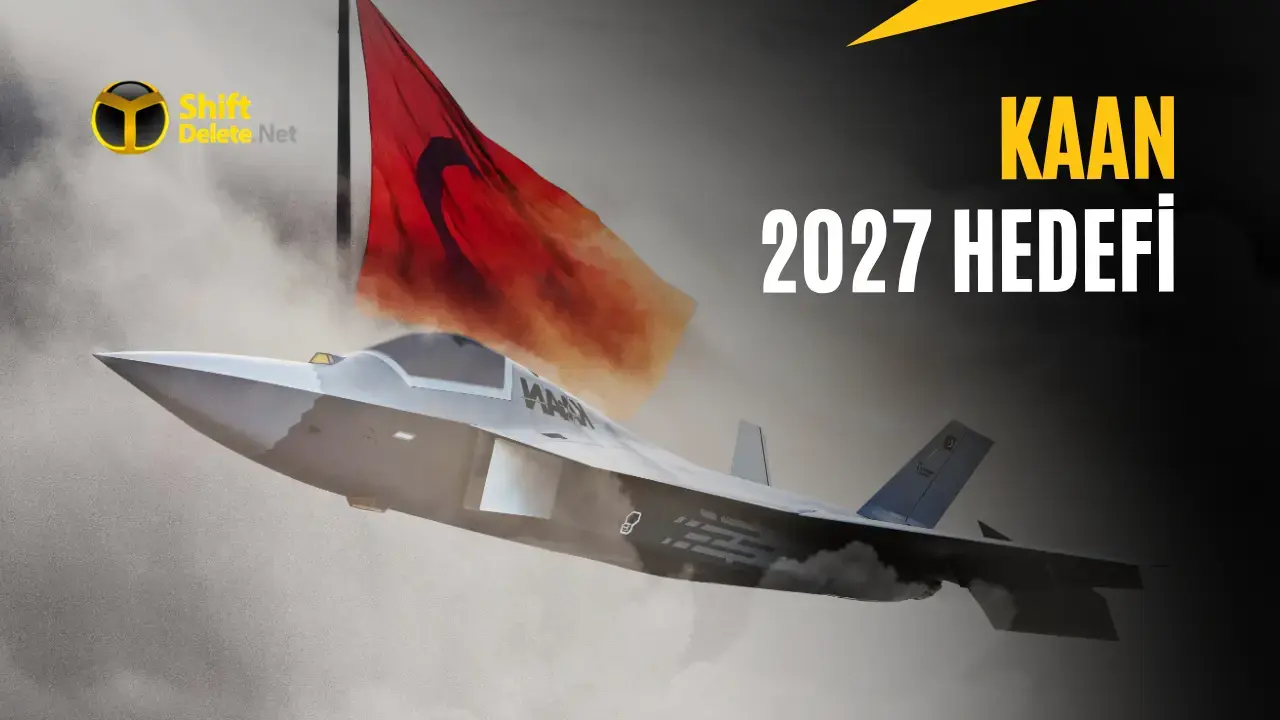
Turkish Aerospace Industries (TUSAŞ) is accelerating the development of the national combat aircraft, KAAN, by expanding its flight test program and preparing for the integration of advanced weaponry. As the project progresses, TUSAŞ aims to introduce a fully armed configuration of the KAAN jet into the testing phase by 2027. This milestone marks a critical transition from basic flight performance evaluations to the validation of complex combat capabilities, including sensor fusion and weapon delivery systems. With new prototypes currently undergoing rigorous ground and flight assessments, the program is moving steadily toward its ambitious goal of delivering the first operational aircraft by the end of 2028.
- TUSAŞ plans to initiate an intensive testing campaign with new prototypes throughout 2026.
- The armed configuration of the KAAN aircraft is scheduled to participate in flight tests by 2027.
- The program aims to finalize the delivery of the first operational KAAN units to the Turkish Air Force by the end of 2028.
- Engineers are currently validating critical systems, including the internal weapon bays and dual-engine afterburner performance.
The Test Fleet Expands Rapidly
The KAAN program has demonstrated significant momentum since the maiden flight of the P0 demonstrator on February 21, 2024. Following a successful second flight in May of the same year, TUSAŞ has moved forward with the P1 prototype, which represents a more advanced configuration compared to its predecessor. This iteration incorporates refined design features and updated avionics systems essential for high-fidelity mission testing.
The P1 prototype began taxi tests in July 2026, serving as a platform for more comprehensive evaluations. TUSAŞ General Manager Mehmet Demiroğlu has emphasized that these new prototypes are integral to a high-tempo testing schedule. By utilizing multiple airframes for specialized tasks, the development team intends to streamline the certification process and address technical requirements more efficiently ahead of the 2028 production target.
Weapon Integration Becomes a Priority
The transition toward an armed configuration signifies that the KAAN project is entering a phase where its combat effectiveness will be rigorously examined. According to official data, the aircraft is being designed with internal weapon bays to maintain low-observability characteristics while supporting air-to-air and air-to-ground mission profiles. Precision strike capabilities, coupled with advanced fire control systems, remain at the core of these developmental efforts.
As the project shifts focus to 2027, the testing scope will broaden to include the integration of various munitions. Engineers will conduct extensive evaluations regarding the safe carriage and release processes of these weapons, ensuring that the aircraft’s software and hardware can operate seamlessly in high-stress combat scenarios. Recent successes, such as the ground testing of the dual-engine afterburner system, provide a solid foundation for these upcoming trials.
This expanded test regime will move beyond basic flight envelope expansion to verify the interoperability of complex mission systems. By 2027, the program expects to demonstrate the full potential of the KAAN as a fifth-generation fighter platform capable of executing diverse tactical operations.
What are your thoughts on the rapid development timeline of the KAAN project? We invite you to share your insights and predictions regarding the impact of this aircraft on regional air superiority in the comments section below.
Your comment has been submitted,
it will be published after approval.