
Apple Prepares to Launch the Ultra Foldable iPhone

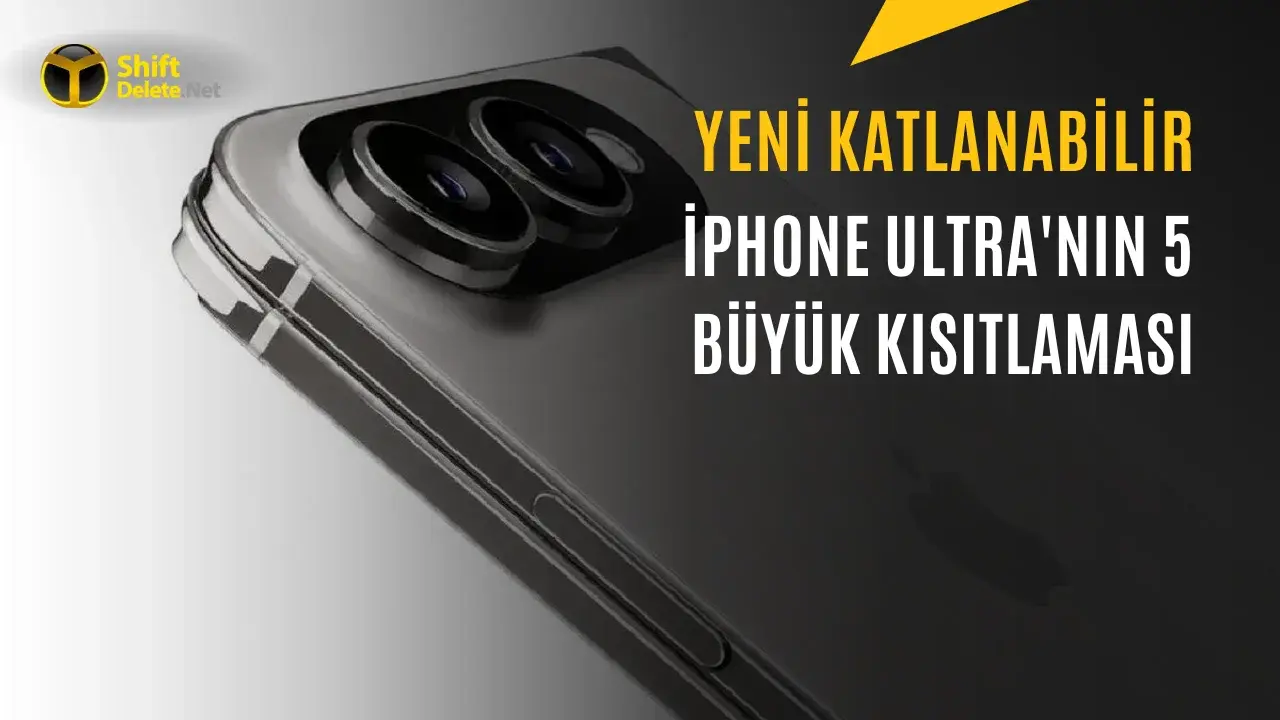
Apple is set to unveil its highly anticipated first foldable device, the iPhone Ultra, within the next three weeks. Positioned as a premium flagship, the model is expected to carry a price tag exceeding $2,000, aiming to redefine the smartphone form factor with an ultra-thin design. While the device promises to push the boundaries of innovation, early leaks suggest that the pursuit of such a slim profile has forced Apple to make significant hardware compromises. As the tech community prepares for this release, questions emerge regarding whether the device’s unique physical characteristics sufficiently justify the omission of several standard flagship features.
- The iPhone Ultra will exclude telephoto lens support and Face ID technology to maintain an ultra-thin physical profile.
- Apple has opted to integrate a Touch ID sensor into the side button instead of using its proprietary facial recognition system.
- The device will lack MagSafe charging compatibility and will operate exclusively with eSIM technology globally.
- Physical volume buttons have been relocated to the top edge of the device to optimize the internal layout for its foldable structure.
Camera and Hardware Capabilities are Limited
The imaging system on the iPhone Ultra departs from the standard Pro-level expectations. The rear housing is expected to feature only two 48MP sensors: a primary wide camera and an ultra-wide lens. Notably, the device will lack a dedicated telephoto lens, a feature that many consumers consider essential for a high-end handset. This configuration suggests that Apple is prioritizing the internal space required for the folding mechanism over advanced optical zoom capabilities.
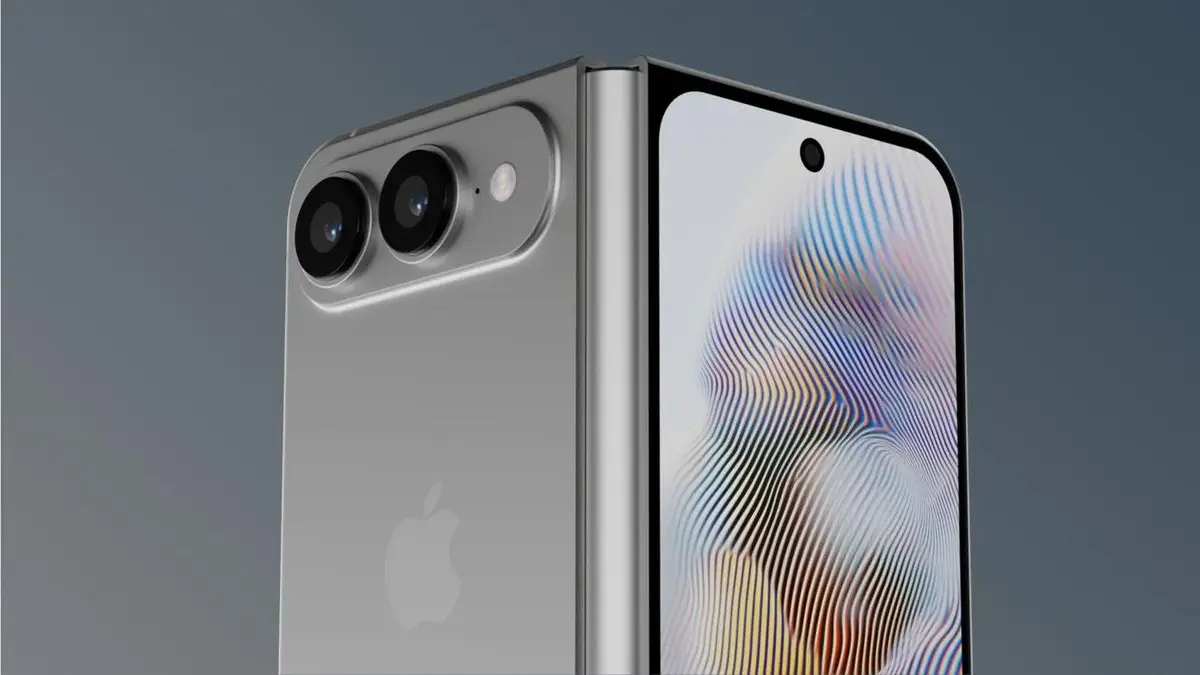
The structural design also signals a shift in Apple’s traditional button layout. The phone will reportedly abandon the iconic mute switch and the newly introduced Action button. Furthermore, the volume controls have been moved to the top edge, a design choice reminiscent of the iPad mini. The right side will host the power button, which now serves a dual purpose as a biometric sensor, and a dedicated Camera Control button.
Security and Connectivity Standards are Redefined
Perhaps the most controversial change is the complete removal of Face ID. Citing the complexity of implementing facial recognition sensors across both internal and external screens without adding bulk, Apple has reverted to a side-mounted Touch ID sensor. This marks the first time since the 2017 introduction of the iPhone X that a premium iPhone will lack the company’s flagship biometric authentication system.
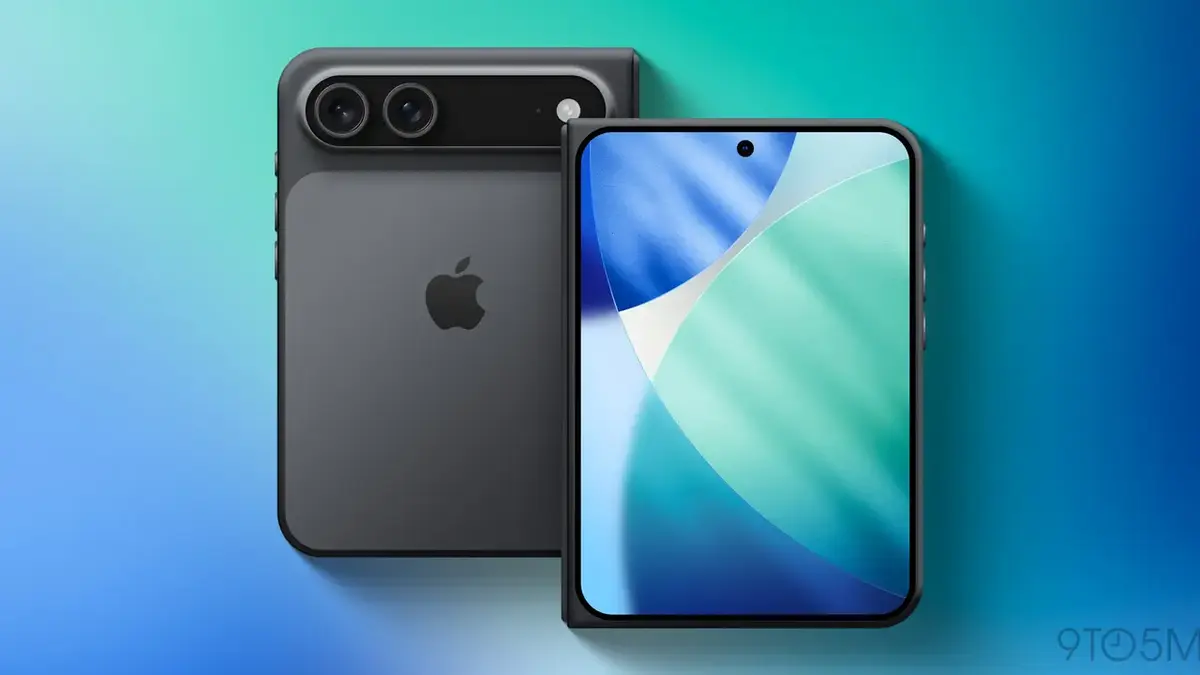
Connectivity features have also been stripped back. Leaks indicate that the device will not support MagSafe charging, limiting users to standard wireless or wired charging options. Additionally, in a move to save space within the chassis, the iPhone Ultra will be an eSIM-only device. This decision aligns with the company’s broader push toward digital SIM cards, though it marks a definitive departure from the hybrid physical SIM support still found in various global markets.
By choosing an ultra-thin form factor over traditional hardware luxuries, Apple is betting that the novelty of the foldable design will outweigh the loss of features like telephoto zoom and MagSafe. The industry now waits to see if the market will embrace these tradeoffs at such a premium price point.
Given the high price point and the omission of features like MagSafe and the telephoto lens, we are curious about your perspective. Would you sacrifice these standard functionalities for a significantly thinner foldable device, or do these compromises represent a step backward for the iPhone lineup? Share your thoughts in the comments section below.
Your comment has been submitted,
it will be published after approval.