
BMW Defends Strategy to Reduce Physical Buttons in Vehicles

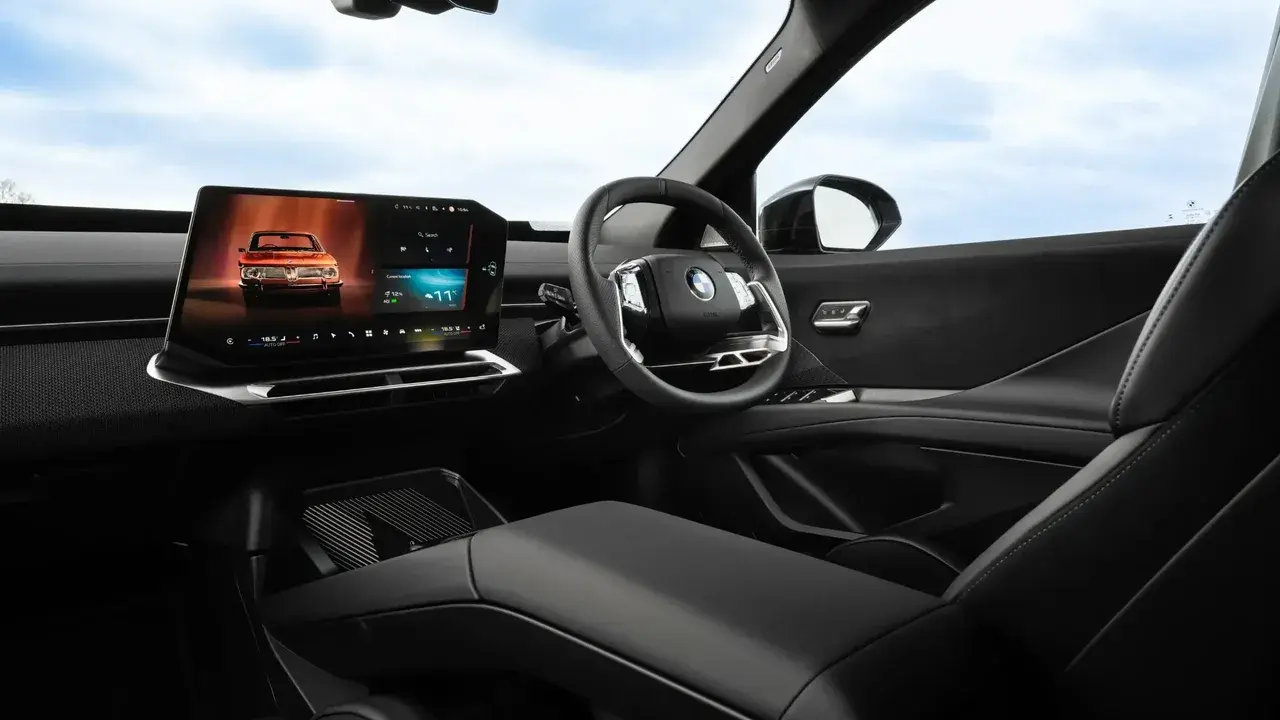
BMW is undergoing a significant transformation in its interior design philosophy by actively reducing the number of physical buttons in favor of digital interfaces. Addressing concerns regarding this shift, BMW Group Australia CEO Vikram Pawah confirmed that the company remains committed to this strategy in an interview with CarExpert. This decision is driven by evolving consumer habits, particularly among younger demographics who prioritize advanced technology and seamless connectivity. By integrating more touchscreens and voice command systems, BMW aims to align its vehicles with the expectations of a modern, digital-first generation that frequently utilizes multitasking features within their driving environment.
- BMW maintains that reducing physical buttons is essential to meet the demands of younger, tech-savvy drivers.
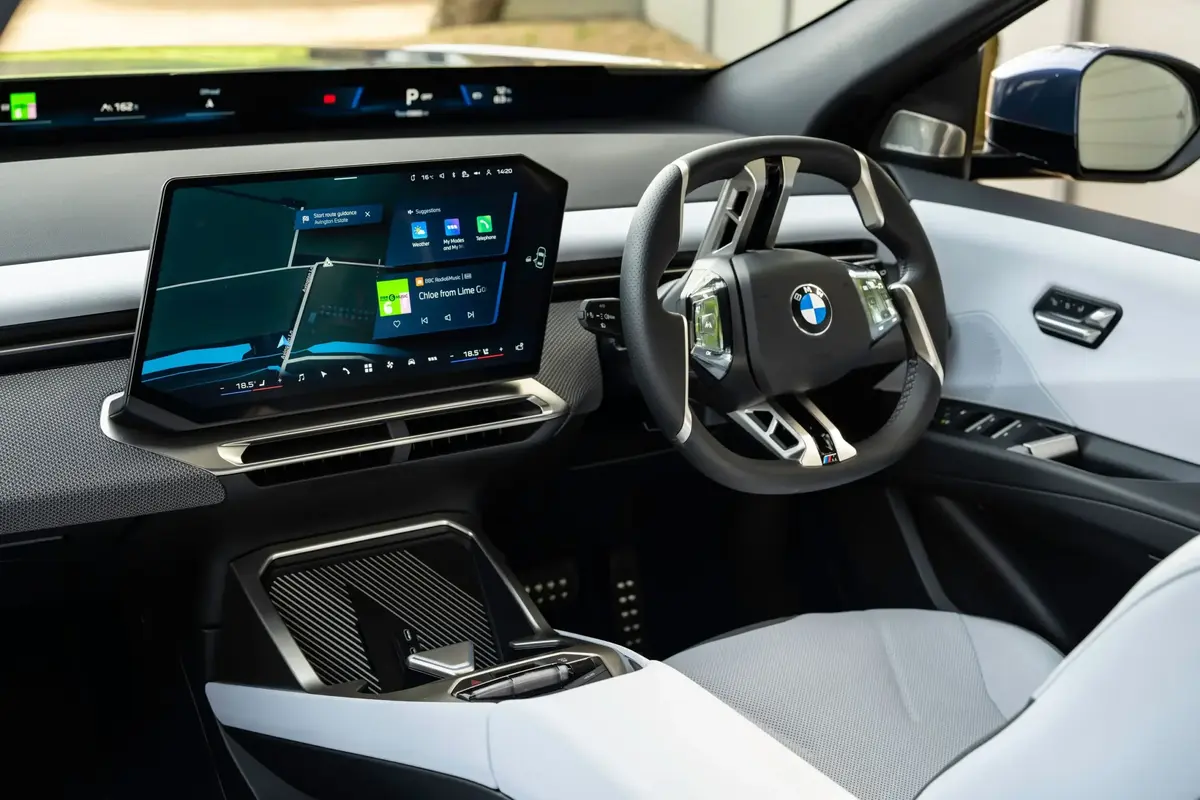
- The company prioritizes touchscreen interfaces and voice commands as the primary methods for vehicle control.
- Unlike some competitors that are reverting to analog controls, BMW intends to continue its digital-first interior strategy.
- Executives argue that modern drivers increasingly expect vehicle interiors to mirror the functionality of smartphones.
Younger Generations Demand Modern Digital Interfaces
The core of BMW’s design shift lies in the changing behavioral patterns of consumers aged 45 and under. According to Pawah, this demographic group is not only comfortable with touchscreen technology but also expects it as a standard feature. These users often seek to manage multiple vehicle functions simultaneously, a task that modern, highly responsive digital interfaces are designed to facilitate. By moving away from traditional mechanical switches, the manufacturer believes it is creating a more intuitive and efficient user experience that resonates with contemporary lifestyle requirements.
Industry Trends Show Differing Strategic Directions
The automotive industry currently remains divided on the issue of interior ergonomics. While some manufacturers, most notably Volkswagen, have decided to reintroduce physical buttons following customer feedback, BMW has chosen to stand firm. The debate centers on safety and usability, as critics argue that touchscreens can distract drivers from the road. However, proponents of the digital transition claim that voice-activated systems and sophisticated software provide a safer, hands-free alternative that minimizes the need for manual interaction with consoles.
Technological Integration Continues to Reshape Vehicle Design
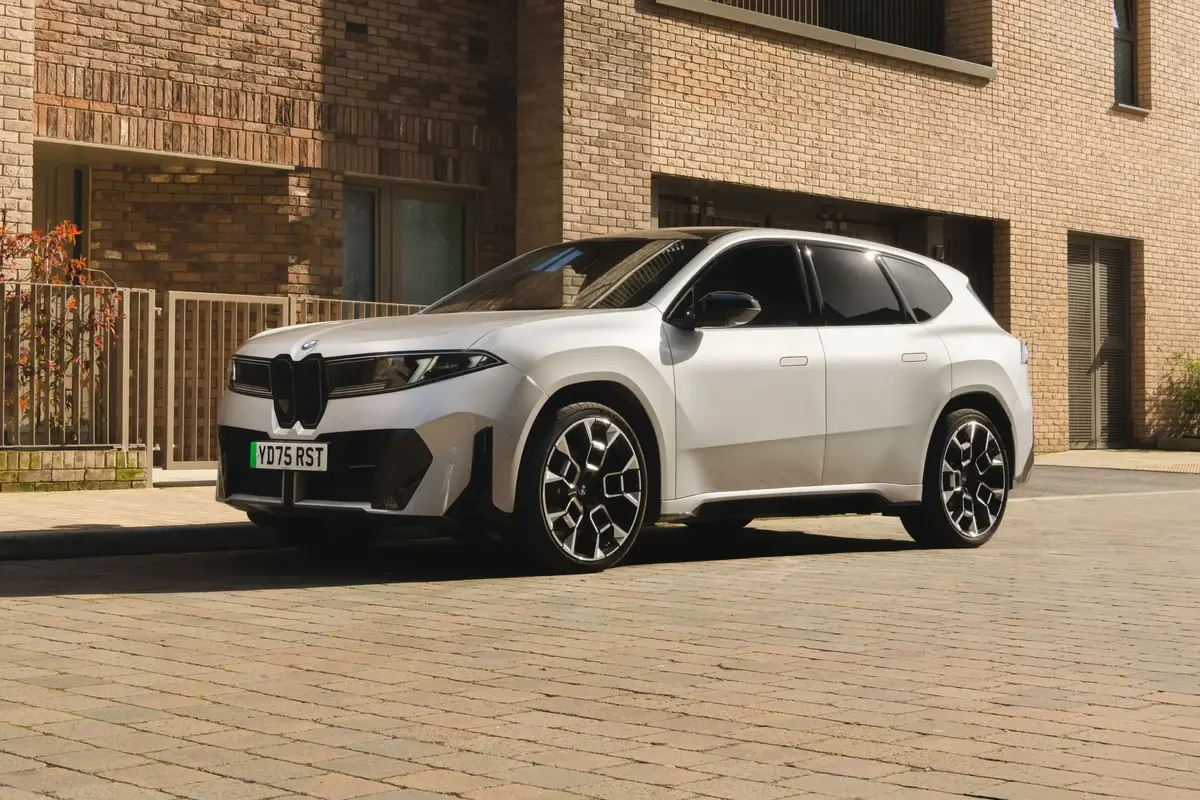
The broader implications of this trend extend beyond simple aesthetics, as it represents a fundamental change in how vehicles are conceptualized. As cars become more integrated with personal technology, the cabin is increasingly viewed as a living space rather than just a cockpit. BMW views the digitalization of vehicle interiors as an unavoidable evolution in the automotive sector. Although balancing tactile feedback with modern digital efficiency remains a challenge, the company is betting that the future of mobility lies in high-level software integration and streamlined, button-free dashboards.
We are curious to hear your perspective on this major design shift. Do you believe that replacing physical buttons with touchscreens compromises your driving safety, or do you find the modern digital approach more efficient for your daily needs? Please share your thoughts and experiences in the comments section below.
Your comment has been submitted,
it will be published after approval.