
Xiaomi Xring O3 Processor Shatters Performance Records

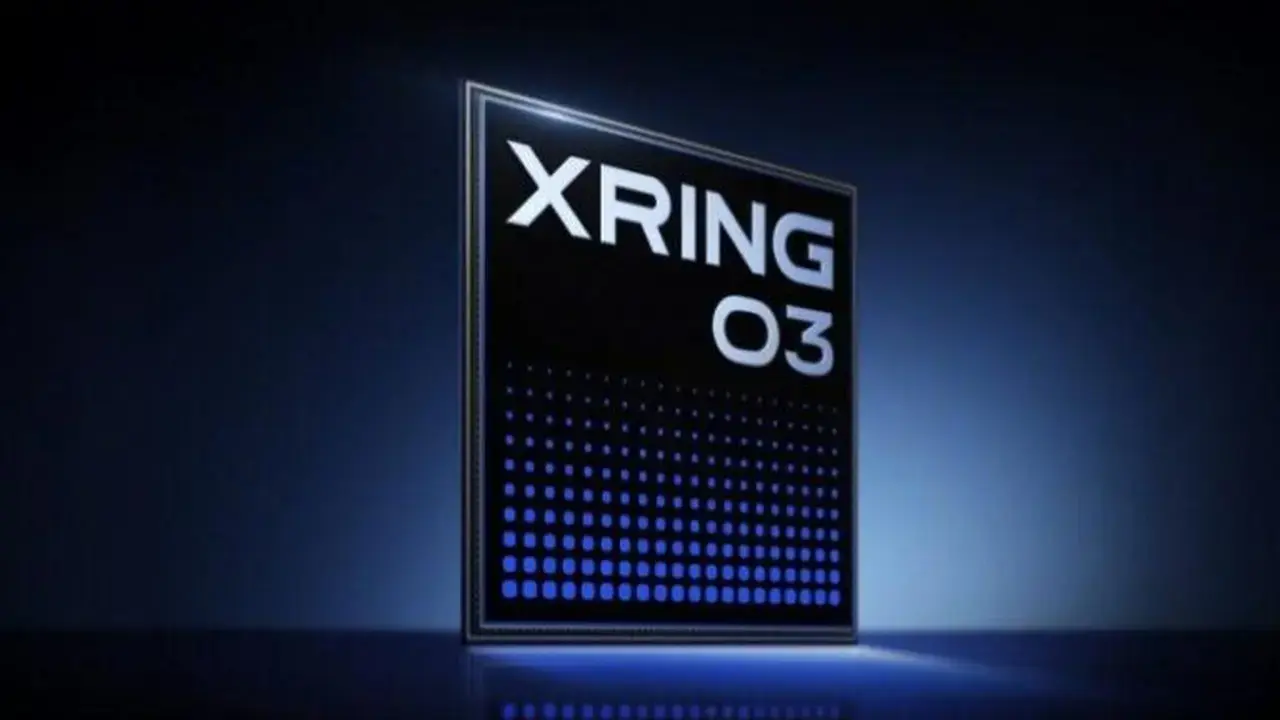
Xiaomi officially unveiled its latest flagship processor, the Xiaomi Xring O3, on August 24, signaling a major shift in the mobile hardware industry. Independent assessments conducted by Xiaobai’s Tech Reviews revealed that the chipset achieved a remarkable 15,086 points in the Geekbench multi-core benchmark test. This performance level allows the new silicon to significantly outperform current industry standards, including devices powered by the Snapdragon 8 Elite Gen 5, which typically struggle to surpass the 12,000-point threshold. By leveraging advanced manufacturing techniques, Xiaomi is positioning its proprietary hardware to challenge the long-standing dominance of existing mobile processor manufacturers.
- The Xiaomi Xring O3 processor achieved 15,086 points in the Geekbench multi-core performance test.
- This new chipset provides a 55 percent improvement in multi-core tasks compared to the previous Xring O1 generation.
- The hardware utilizes TSMC’s 3nm N3P manufacturing process to enhance efficiency and power.
- Xiaomi intends to integrate this processor into the upcoming Xiaomi 18 Fold and Pad 9 Pro Max models.
The Processor Architecture Delivers High Performance
The Xiaomi Xring O3 features a sophisticated 10-core design that delivers exceptional results in both single-core and multi-core operations. In single-core testing, the processor secured 3,854 points, placing it on par with elite competitors such as the Apple A19 Pro and the Snapdragon 8 Elite Gen 5. However, the true strength of the architecture lies in its stability under heavy multi-threaded workloads.
Compared to its predecessor, the Xring O1, the new chip demonstrates a 25 percent increase in single-core speeds and an impressive 55 percent jump in multi-core performance. These metrics suggest that the engineering team focused heavily on optimizing throughput for demanding applications.
Graphics Capabilities Exceed Industry Standards
The graphic performance of the Xring O3 sets a new benchmark for mobile gaming and intensive media rendering. According to 3DMark Steel Nomad Light evaluations, the GPU integrated into this chipset operates with 40 percent more power than current flagship platforms. When measured against the earlier O1 model, the improvement reaches a staggering 90 percent. This massive leap in visual processing power confirms that Xiaomi has developed a highly competitive solution for users who prioritize mobile gaming and high-fidelity graphics.
Manufacturing Technology Improves Efficiency
A primary factor behind the success of the Xiaomi Xring O3 is the adoption of the TSMC 3nm N3P production process. While many competitors are still navigating the complexities of advanced node transitions, Xiaomi has managed to extract superior efficiency from this 3nm architecture. This manufacturing choice effectively reduces thermal output while extending battery longevity for end-users.
As part of a broader strategy to decrease reliance on third-party silicon providers, Xiaomi will debut this processor in its premium Xiaomi 18 Fold and Pad 9 Pro Max devices. If these performance figures remain consistent in mass-produced units, the company could establish a significant competitive advantage in the high-end smartphone market, effectively reshaping the landscape of mobile computing.
How do you believe the rise of proprietary silicon from Xiaomi will influence the competitive landscape of the smartphone industry? Share your thoughts on the Xring O3 and which features you expect to see in the new Xiaomi devices in the comments section below.
Your comment has been submitted,
it will be published after approval.