
Redmi Note 17 Pro and Pro Max Launch With Massive Batteries


Xiaomi has officially expanded its popular mid-range smartphone lineup with the global introduction of the Redmi Note 17 Pro and Redmi Note 17 Pro Max. Unveiled to modernize the series, these devices set a new industry benchmark by integrating high-capacity silicon-carbon battery technology, effectively moving beyond the traditional 5,000 mAh standards. While both models share a sophisticated display and camera architecture, the Pro Max variant distinguishes itself with a more powerful chipset, increased memory configurations, and faster charging capabilities. These handsets represent a strategic shift for the company, prioritizing exceptional battery longevity for users who demand multi-day performance from their primary mobile devices.
- The Redmi Note 17 Pro Max features a massive 10,000 mAh silicon-carbon battery that supports 100W HyperCharge technology.
- The series utilizes Snapdragon 6 series processors to balance efficient power consumption with modern smartphone performance.
- Both models offer extensive durability through IP66, IP68, IP69, and IP69K ingress protection certifications.
- Pricing for the new lineup starts at $399 for the Pro model and $499 for the Pro Max variant.

Battery Technology Defines the New Series
The centerpiece of the Redmi Note 17 Pro Max is undoubtedly its energy storage capacity. Depending on the regional market, the device ships with either a 9,210 mAh or a 10,000 mAh silicon-carbon battery. This advanced chemistry allows for higher energy density without significantly increasing the physical footprint of the phone. Xiaomi claims that this hardware setup provides up to three days of typical usage on a single charge. Furthermore, the 27W reverse wired charging feature transforms the smartphone into a power bank for other accessories.
The standard Redmi Note 17 Pro is equipped with an 8,340 mAh battery, which remains far ahead of current market competitors. This model supports 67W rapid charging and includes 22.5W reverse charging capabilities, ensuring that users maintain productivity throughout their busiest days.

Performance Standards Are Set by Snapdragon Chips
Internal hardware configurations highlight the distinct positioning of the two models. The Pro Max edition is powered by the 4 nm Snapdragon 6 Gen 5 processor, paired with the Adreno 812 GPU for enhanced graphical performance. To maximize speed, it utilizes LPDDR5X RAM and high-speed UFS 4.1 storage. In comparison, the Redmi Note 17 Pro relies on the Snapdragon 6s Gen 4 chipset, utilizing LPDDR4X RAM and UFS 3.1 storage technology. Both devices operate on the latest HyperOS 3 interface, which is built upon the Android 16 foundation.

Display and Camera Hardware Provide Visual Quality
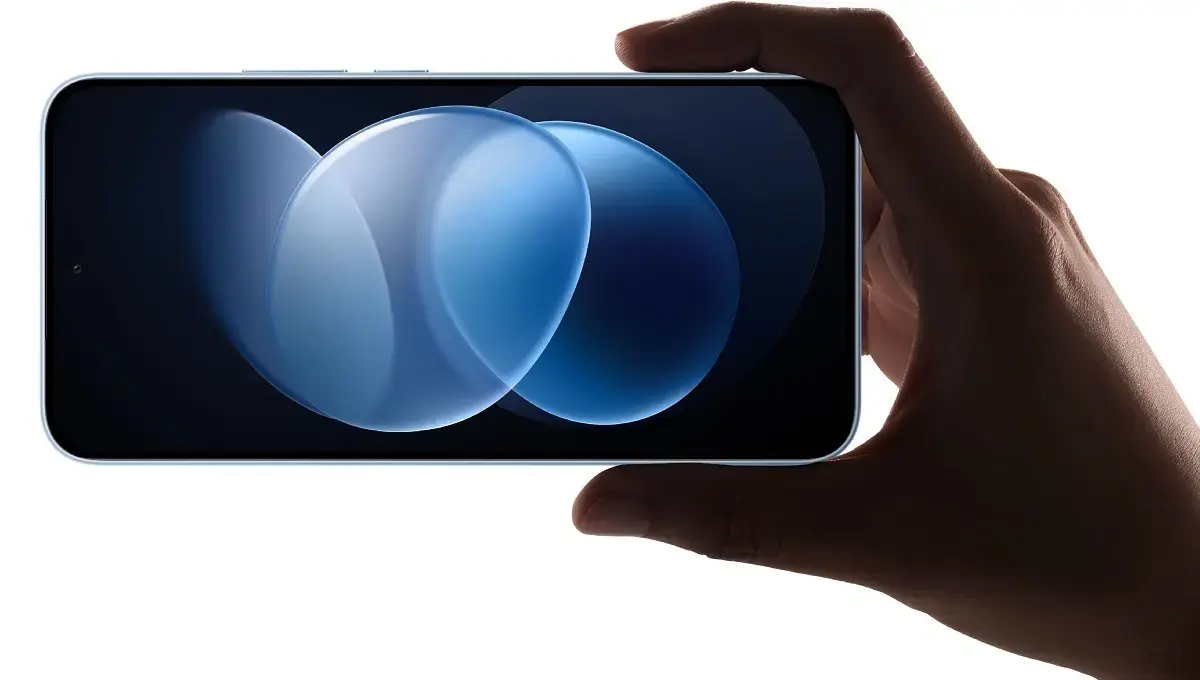
Both smartphones feature a high-quality 6.83-inch 1.5K OLED panel that supports a 120 Hz refresh rate. Durability is managed by Corning Gorilla Glass Victus 2, ensuring resistance against scratches and accidental drops. The camera systems include a 50-megapixel main sensor with Optical Image Stabilization (OIS) and an 8-megapixel ultra-wide lens. While the Pro model includes a 16-megapixel front camera, the Pro Max upgrades this to a 32-megapixel sensor capable of 4K video recording.
Market Availability and Pricing Remain Clear
The Redmi Note 17 Pro is priced at $399, while the Pro Max starts at $499, with final costs depending on storage and regional tax policies. Available in colors such as Black, Green, Purple, and a unique color-changing Cloud Blush, the series aims to capture a wide segment of the market. While specific details regarding the launch date in certain regions remain pending, the industry expects these handsets to perform strongly due to their focus on longevity and build quality.
Given the shift toward massive 10,000 mAh batteries in the mobile market, we would love to hear your thoughts on this design choice. Do you believe that a three-day battery life is the most important feature for a modern smartphone, or would you prefer a thinner device with a smaller battery? Please share your opinions in the comments section below.
Your comment has been submitted,
it will be published after approval.