
Xiaomi Introduces Privacy Display Technology for Flagship Smartphones

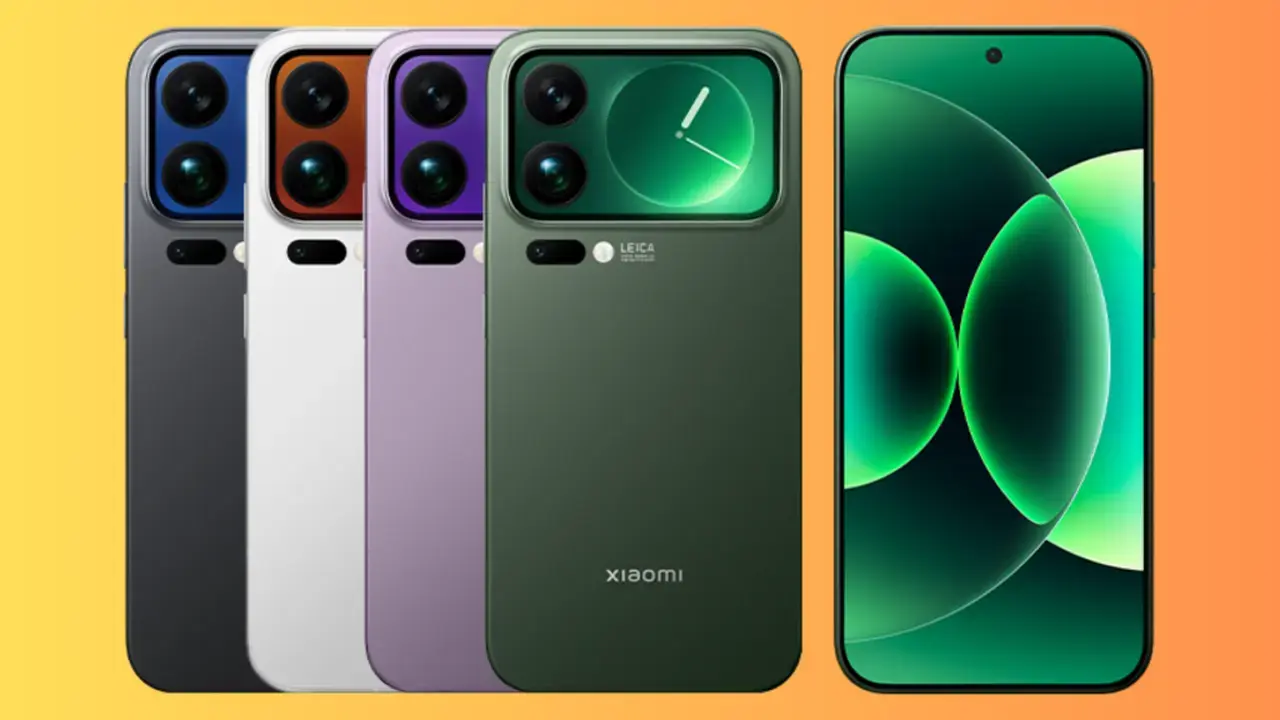
Xiaomi is set to elevate smartphone security by integrating its innovative Privacy Display technology into upcoming flagship models. This significant development, initially uncovered by researcher Kacper Skrzypek, signals a major push by the Chinese tech giant to protect sensitive user data from prying eyes. By utilizing advanced hardware-level panel support similar to the dimming technology found in the Samsung Galaxy S26 Ultra, Xiaomi aims to redefine industry standards for mobile privacy. This feature is designed to restrict viewing angles, effectively preventing individuals in public spaces from seeing the content displayed on a user’s screen.
- Xiaomi is integrating hardware-based Privacy Display technology into its next generation of flagship mobile devices.
- The system automatically restricts screen visibility from side angles when users access sensitive applications.
- This security feature leverages both hardware panel capabilities and integrated software to enhance user protection.
- Initial testing is currently underway on the Chinese ROM before a wider global implementation begins.
Privacy Display Technology Restricts Viewing Angles
The core of this breakthrough lies in the physical manipulation of light emitted from the display panel. By restricting light dispersion, the screen ensures that text and images are only legible when viewed directly from the front. This physical limitation makes it nearly impossible for people sitting nearby on public transport or in crowded environments to observe private information. The technology works in tandem with the Hyper XiaoAi ecosystem and specialized panel configurations to provide a seamless, automated experience that requires no manual adjustments from the user.
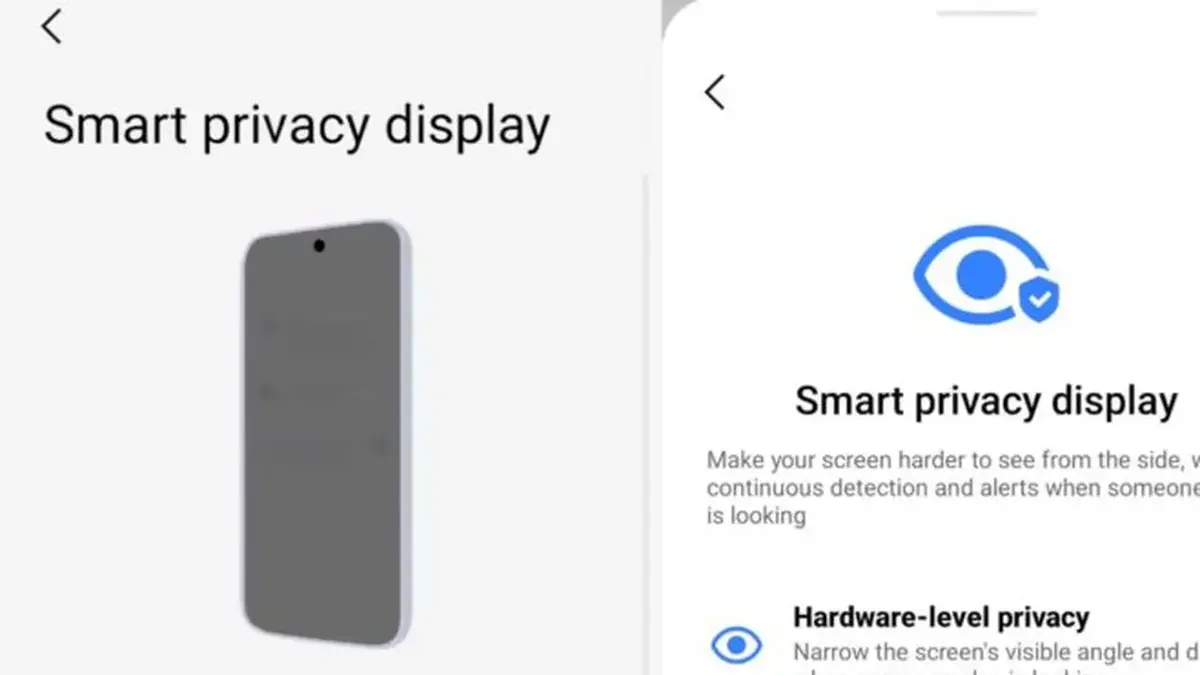
Security Features Are Activated Automatically
Xiaomi has engineered this infrastructure to operate contextually, meaning it triggers only when the system detects high-security tasks. Whether a user is logging into a banking application, checking sensitive emails, or managing password managers, the Privacy Display feature activates automatically. By layering this physical protection over existing digital security measures, the company addresses the vulnerability of visual data theft. This dual-layered approach ensures that data remains secure not only from cyberattacks but also from physical observation by unauthorized parties in the real world.
Mobile Security Standards Are Being Redefined
In a hyper-competitive smartphone market where manufacturers often prioritize raw processing power and camera megapixels, Xiaomi’s commitment to user privacy serves as a distinct competitive advantage. This strategic shift highlights the critical importance of hardware-software synergy in building consumer trust. As the company continues to refine this technology, it is expected that privacy-focused displays will move from being a niche luxury to a standard hardware requirement for flagship devices. This evolution could fundamentally alter how users interact with their mobile devices in public, fostering a safer digital environment for everyone.
Do you believe that advanced screen privacy features are a necessary evolution for modern smartphones, or do you view them as an unnecessary luxury? Share your thoughts on how this technology might impact your daily mobile usage in the comments section below.
Your comment has been submitted,
it will be published after approval.