
Music Giants Launch Massive Anthropic Copyright Lawsuit


Sony Music Publishing and Warner Chappell Music have initiated a landmark Anthropic copyright lawsuit, accusing the artificial intelligence company of large-scale intellectual property theft. In a formal legal complaint filed recently, the music industry giants allege that Anthropic illegally scraped and downloaded vast quantities of copyrighted song lyrics and musical compositions to train its Claude AI models. This legal escalation marks a significant turning point in the ongoing tension between creative industries and tech firms, as publishers claim that the unauthorized use of their intellectual property constitutes a flagrant violation of copyright law that warrants massive financial restitution.
- Music publishers are seeking up to $150,000 in damages for each infringed copyrighted work discovered in the training datasets.
- The plaintiffs allege that Anthropic utilized illegal torrent sites and sophisticated web scraping tools to harvest data without authorization.
- This litigation follows previous high-profile legal actions against Anthropic involving claims exceeding $3 billion in potential damages.
Legal Demands Are Reaching Significant Financial Proportions
The plaintiffs are pursuing a rigorous legal strategy, demanding statutory damages of $150,000 for every infringed work. Furthermore, they are seeking an additional $25,000 per instance where Anthropic allegedly removed copyright management information from the files. The complaint highlights that thousands of copyrighted works were utilized to refine the Claude models, potentially exposing the AI firm to billions of dollars in liabilities. 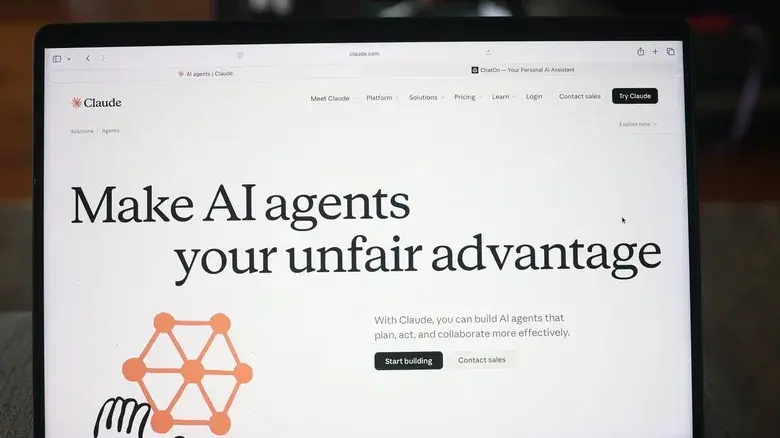 Industry experts suggest that the plaintiffs view these actions as a deliberate campaign to circumvent licensing requirements, prompting them to demand a jury trial to address the systemic nature of these alleged violations.
Previous Cases Are Establishing Complex Legal Precedents
This is not the first time Anthropic has faced severe legal scrutiny regarding its data acquisition methods. Major industry players like Universal Music Group and Concord Music Group have already challenged the company in court, alleging that over 20,000 protected songs were ingested without permission.  These ongoing legal battles underscore the blurred lines between technological innovation and the protections guaranteed to content creators. Previously, Anthropic settled a separate copyright dispute involving authors for $1.5 billion, signaling that the company is no stranger to the heavy costs associated with its current data training practices.
Future Industry Standards Must Address Copyright Concerns
The outcome of these legal proceedings will likely prove deterministic for the future of the generative AI industry. As courts examine the legality of using massive datasets for model training, tech companies may find themselves forced to adopt more transparent data sourcing models and formal licensing agreements. Legal analysts emphasize that the era of unfettered data scraping is rapidly coming to an end, with regulatory and judicial pressure mounting on developers to respect the rights of original creators. As these cases proceed, the entire tech sector watches closely to see how the judiciary will balance the need for AI advancement with the fundamental principles of intellectual property law.
We are interested to hear your perspective on this legal battle; do you believe that using copyrighted material for AI training is a necessary evolution of technology or an unacceptable form of intellectual property theft? Please leave a comment below and join the discussion.
Your comment has been submitted,
it will be published after approval.