
Nissan and Honda Form Strategic Partnership for Vehicle Technologies

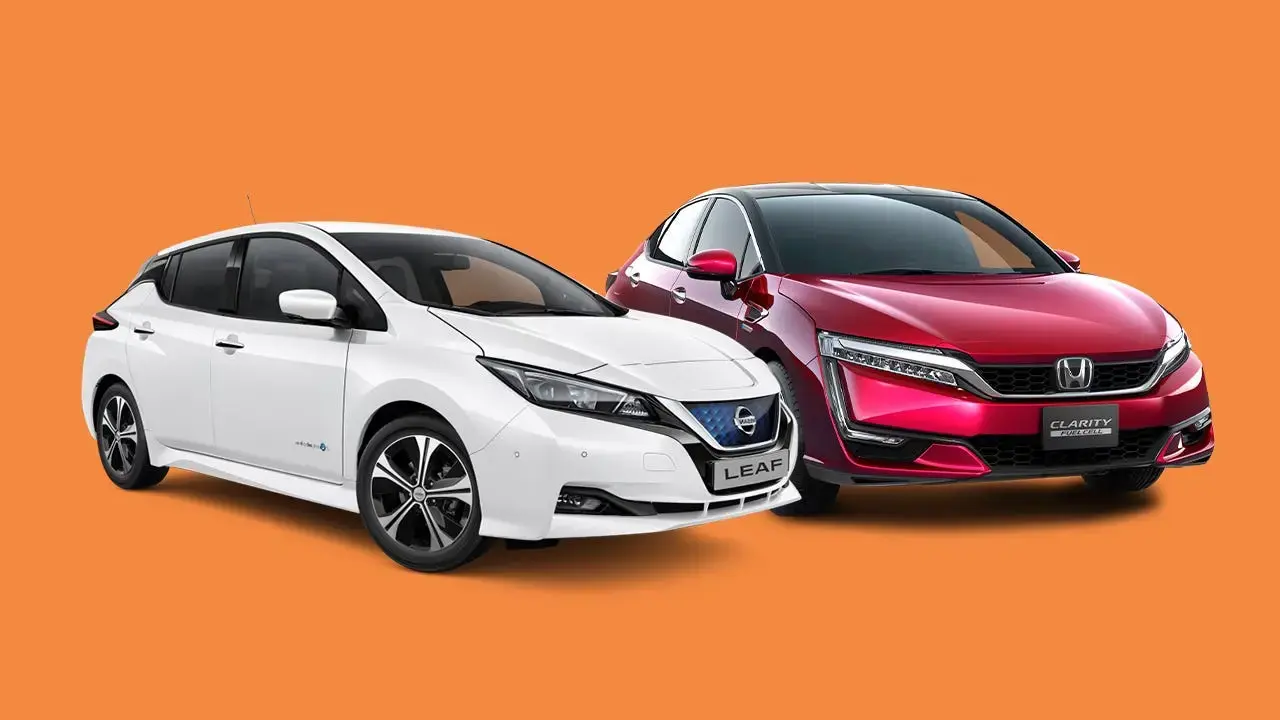
In a major shift for the automotive industry, Japanese giants Nissan and Honda have officially announced a strategic partnership to accelerate the development of next-generation vehicle technologies. By joining forces, the two companies aim to enhance their competitive edge in the rapidly evolving software-defined vehicle (SDV) market. This collaboration focuses on standardizing electronic control units, sophisticated in-vehicle operating systems, and essential middleware components. The companies plan to integrate this shared architecture into their vehicle lineups starting in the 2029 fiscal year, aiming to streamline research and development processes while maximizing investment efficiency in a global market increasingly driven by digital innovation.
- Nissan and Honda will standardize electronic control units to form the foundation of their new software-defined vehicles.
- The companies intend to deploy a jointly developed electronic architecture in their vehicles starting from the 2029 fiscal year.
- This strategic partnership supports the manufacturers’ long-term visions of achieving carbon neutrality and eliminating traffic fatalities through advanced technology.
Standardized Software Architectures Accelerate Digital Transformation
The global automotive sector is currently undergoing a fundamental transition from traditional mechanical engineering to advanced digital and software-centric architectures. The partnership between Nissan and Honda represents a concerted effort to establish common standards for vehicle intelligence and electrification. By aligning their technical requirements, the two manufacturers intend to optimize independent research and development costs, allowing them to adapt more swiftly to the rapid pace of technological change.
As software becomes the central nervous system of the modern vehicle, establishing a standardized middleware structure makes development cycles more predictable and secure. This modular approach ensures that both companies can maintain high quality while reducing the complexity typically associated with bespoke software development. By pooling their intellectual resources, Nissan and Honda are creating a robust platform that will underpin their future product strategies.
Shared Engineering Goals Target Safety and Sustainability
The scope of this collaboration extends beyond mere technological standardization, as both Nissan and Honda have identified environmental sustainability and passenger safety as core pillars of the agreement. The companies emphasize that the integration of advanced driving assistance systems and sophisticated in-vehicle artificial intelligence is vital for reducing traffic accidents to zero.
Furthermore, the partnership serves as a critical driver for their respective carbon neutrality goals. Through the combined application of specialized engineering expertise, both brands expect to make significant strides in autonomous driving and connected car technologies. This synergy not only addresses the immediate technical demands of modern mobility but also reinforces their commitment to long-term global environmental standards.
Investment Efficiency Improves Global Market Competitiveness
In a volatile global market, the necessity of sharing the financial burden of innovation has never been more apparent. Nissan and Honda are leveraging this partnership to share the risks associated with high-stakes technology development, thereby increasing their overall investment efficiency. Instead of attempting to tackle every challenge in isolation, the companies have chosen a collaborative path that promotes sustainable growth.
This integration of software-defined vehicle architectures provides a critical defense mechanism that allows both manufacturers to preserve their market share against emerging global competitors. As these two automotive powerhouses align their roadmaps, the automotive landscape is poised to see a new generation of vehicles that are significantly safer, more efficient, and more intelligent. The coming years will demonstrate how this synergy translates into tangible benefits for consumers worldwide.
How do you think this partnership between two major Japanese automotive icons will reshape the competitive landscape of software-defined vehicles? We invite you to share your thoughts and expectations in the comments section below.
Your comment has been submitted,
it will be published after approval.