
Qualcomm Announces Double-Digit Price Hikes for Smartphone Chips


In a significant shift for the global mobile hardware industry, tech giant Qualcomm has officially announced a double-digit price increase for its widely used smartphone chips. Effective September 1, this strategic decision follows mounting pressure from rising supplier costs that the company can no longer absorb internally. CEO Cristiano Amon confirmed that the price hike will impact major technology manufacturers worldwide, including industry titans like Samsung and Apple. This move comes as a direct response to the ongoing global semiconductor and storage unit supply chain crisis, which continues to drive up production expenditures across the entire consumer electronics sector.
- Qualcomm is implementing double-digit percentage price increases for its components starting September 1.
- CEO Cristiano Amon attributes the policy change to the necessity of offsetting rising supplier-related expenses.
- The price adjustments affect major global smartphone manufacturers, including Samsung and Apple.
- Apple is actively pursuing the development of in-house modem technology to reduce dependency on external suppliers.
Rising Supply Costs Impact the Tech Sector
The global shortage of DRAM and critical storage components has forced electronics manufacturers to grapple with significantly higher production costs. Earlier this year, major players in the industry were already forced to adjust their pricing models to maintain profit margins. Apple, for instance, implemented price updates for several Mac and iPad models back in June to combat these financial pressures.
Market analysts are now warning that the upcoming iPhone 18 Pro models may arrive with higher retail price tags as a direct result of these increased component costs. Qualcomm’s decision highlights the fragile state of the supply chain and underscores the financial burden currently placed on component-dependent firms. As manufacturers face tighter margins, consumers should anticipate that these increased production costs will likely reach the retail market.
Strategic Shifts Define Apple and Qualcomm Relations
The relationship between Apple and Qualcomm is undergoing a notable transformation as Apple accelerates its efforts to develop proprietary modem chips. While the iPhone 17 series will continue to utilize Qualcomm modems, plans are already in motion for the iPhone 18 Pro and future foldable devices to feature Apple’s own C2 chip technology. 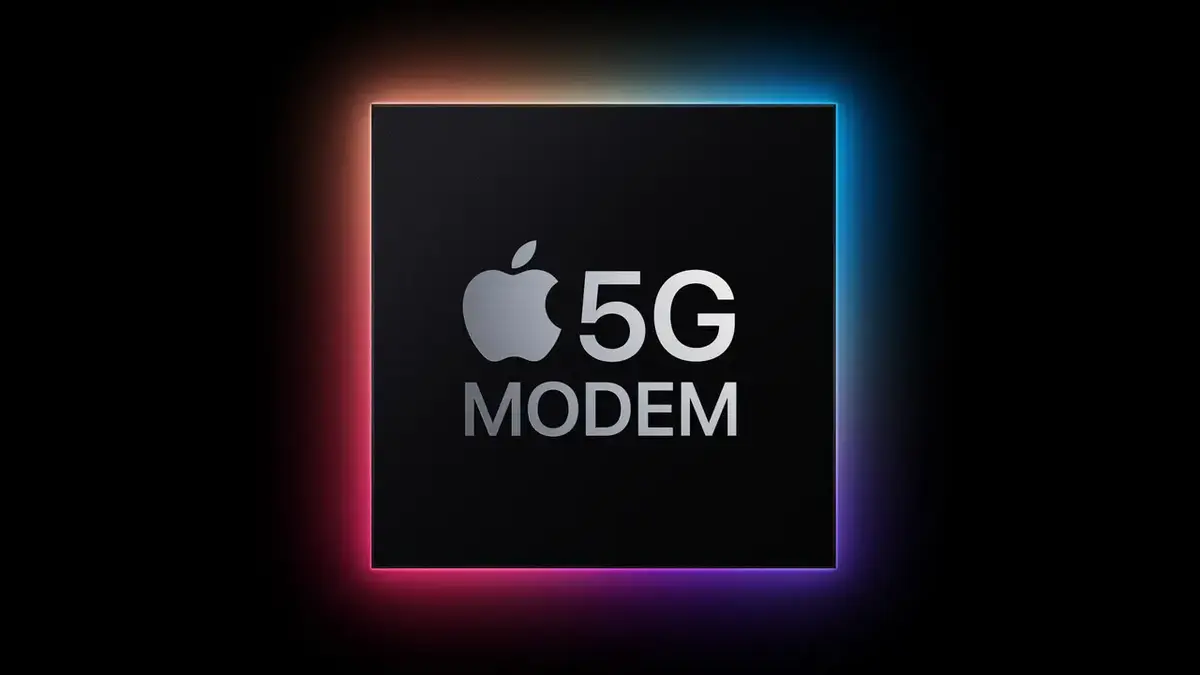 Despite these advancements, leaked documents from Tata Electronics suggest that Apple will remain reliant on Qualcomm for modem supply within the United States market for the near future.
CEO Cristiano Amon has acknowledged the changing dynamics, projecting that Qualcomm’s revenue derived from Apple may decline by approximately 50 percent in the final quarter of the year. This gradual decoupling marks a significant shift in the competitive landscape of the mobile processor industry.
Manufacturers Reevaluate Individual Supply Contracts
Rather than applying a universal price increase, Qualcomm has opted to conduct individual negotiations with its clients. This bespoke approach means that each manufacturer will face a unique cost structure based on their production volume and existing technological partnerships. This strategy allows Qualcomm to maintain flexibility while navigating the complex demands of different hardware producers. The industry is now watching closely to see how major manufacturers like Samsung will navigate these new contractual terms, as the smartphone market increasingly focuses on cost-mitigation strategies to sustain long-term growth.
How do you believe these rising component costs will impact the final retail prices of the next generation of smartphones? We invite you to share your thoughts and predictions in the comments section below.
Your comment has been submitted,
it will be published after approval.