
Why BMW Is Removing Physical Buttons From Its Vehicles

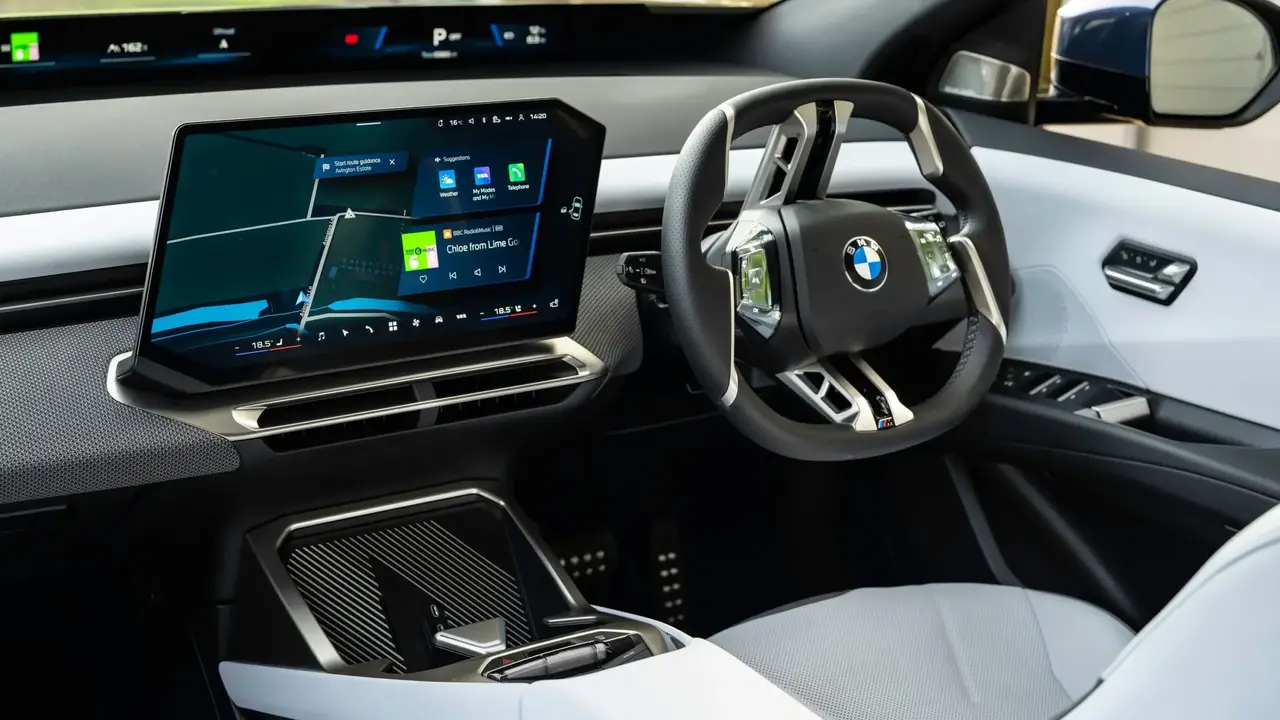
BMW has officially addressed the ongoing automotive industry debate regarding the transition from physical buttons to touchscreen interfaces. Vikram Pawah, CEO of BMW Group Australia, recently clarified that the decision to minimize physical controls in new-generation vehicles is driven by the shifting technology habits of younger drivers. According to Pawah, motorists aged 45 and under increasingly favor digital touchscreens and voice-controlled systems over traditional tactile switches. This strategic shift reflects a broader commitment by the automaker to align its cockpit design with the expectations of a generation raised on smartphones and tablets.
- BMW is prioritizing touchscreen interfaces to satisfy the preferences of drivers under the age of 45.
- The transition to digital controls is central to the design philosophy of the upcoming Neue Klasse vehicle platform.
- Safety concerns persist as industry experts analyze the risks of distracted driving caused by complex menu navigation.
- Advanced voice recognition and augmented reality displays are being developed to offset the loss of haptic feedback.
Digital Displays Define New Cockpit Layouts
The latest design language from BMW emphasizes a minimalist, digital-first approach. This transformation is most evident in the brand’s electric vehicle strategy, specifically within the Neue Klasse platform and current models like the iX3. Essential vehicle operations such as climate settings, driving modes, and multimedia management have migrated from physical dashboards to centralized infotainment screens. Aside from critical functions like window operation, the traditional clutter of buttons has been largely eliminated to create a cleaner, more modern aesthetic.
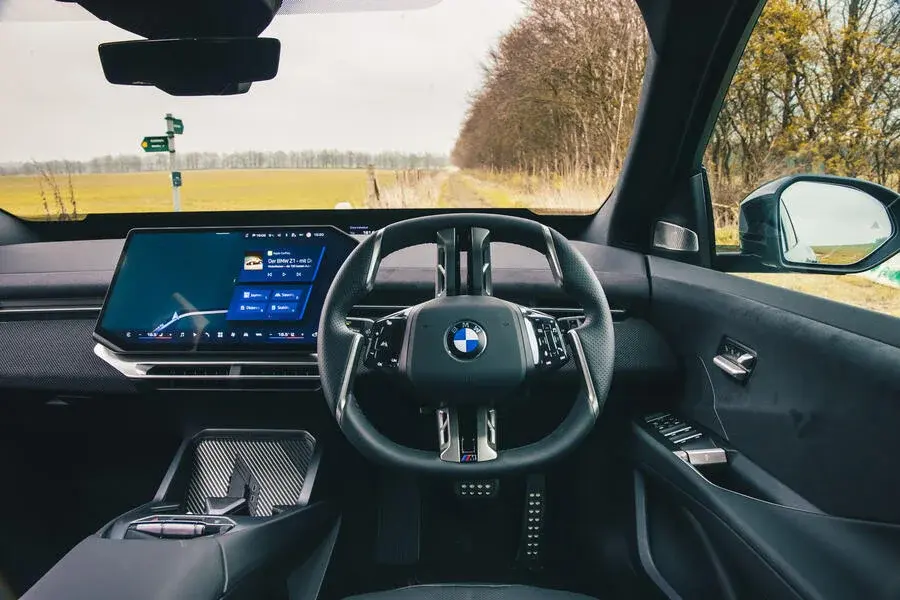
BMW is not acting in isolation; the industry is witnessing a sector-wide migration toward minimalist cockpit philosophies first popularized by Tesla. Global manufacturers now increasingly view the centralized touchscreen as the standard interface for modern automotive interiors.
User Demographics Dictate Technological Evolution
Vikram Pawah explains that the consumption patterns of younger demographics significantly influence automotive engineering. Drivers accustomed to mobile devices demonstrate a faster adaptation to voice assistants and digital interfaces. These users typically demand immediate responsiveness and multitasking capabilities, which are often easier to implement through software updates than through mechanical hardware. Furthermore, screen-based systems offer manufacturers the flexibility to provide interface customization and over-the-air updates that remain impossible with fixed physical controls.
Safety Concerns Balance Innovative Features
Despite the modernization, the complete removal of physical buttons remains a contentious topic among automotive safety researchers. Critics argue that adjusting climate control or navigating sub-menus via a touchscreen forces drivers to look away from the road, increasing the potential for accidents. The absence of haptic feedback, which allows drivers to operate controls by touch alone, represents a significant hurdle for ergonomic design at high speeds.
In response, BMW is investing heavily in AI-driven voice commands and augmented reality heads-up displays to bridge the safety gap. The challenge for manufacturers lies in balancing the demand for high-tech connectivity with the fundamental necessity of keeping the driver focused on the road. As the industry moves forward, reconciling these digital advancements with essential safety protocols will remain a top priority for developers.
Do you prefer the tactile reliability of traditional buttons, or do you find modern touchscreen interfaces to be more intuitive? Share your thoughts on the future of car cockpit design in the comments section below.
Your comment has been submitted,
it will be published after approval.