
Apple Develops New AirPods Featuring Advanced Spatial Audio Tracking


Apple is currently engineering a revolutionary iteration of its wearable audio technology, specifically focusing on the integration of cameras into upcoming AirPods models to enhance spatial audio tracking. Recent findings within the macOS Tahoe 26.7 code reveal that these future devices will utilize onboard cameras to precisely detect the user’s gaze and the relative position of the screens they are viewing. By identifying exactly where a user is looking, the system aims to provide a more immersive and adaptive sound environment, marking a significant shift in how Apple integrates hardware sensors with personal audio experiences.
- Future AirPods models will utilize integrated cameras to track screen positioning and user gaze.
- The system will prioritize audio focus based on the specific display the user is currently observing.
- Project B798 aligns with a broader corporate strategy to incorporate visual intelligence into wearable devices.
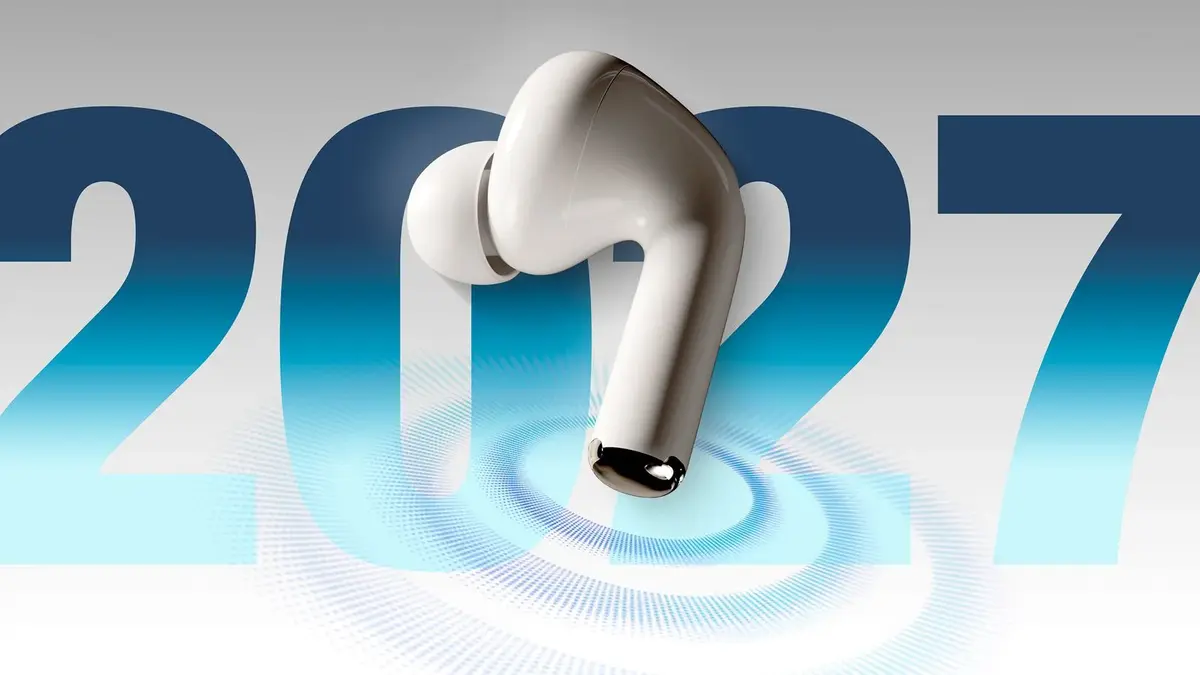
- The official release date for this camera-equipped hardware has been rescheduled for the autumn of 2027.
Integrated Cameras Optimize Spatial Audio Accuracy
While existing AirPods generations already employ sophisticated motion sensors for head tracking, the addition of camera technology represents a technical leap forward. These sensors will work in tandem with the user’s head movements to distinguish between various devices, including laptops, smartphones, and televisions. By analyzing the physical orientation of these screens, the headphones can dynamically shift the soundstage to maintain perfect synchronization with the visual content being consumed.
This automated system is designed to operate seamlessly in the background, ensuring that if a user shifts their attention between multiple devices, the audio focus follows suit instantly. Furthermore, the integration allows for a sophisticated hand-off process; if a user is stationary, the system maintains a stable audio field, and it will intelligently pause when excessive movement is detected, preserving battery life and ensuring accuracy in various environments.
Visual Intelligence Capabilities Expand Device Functionality
Beyond simple audio positioning, the internal code references suggest that Apple is preparing to support advanced Visual Intelligence features. By transmitting camera data to secure servers, these future AirPods will be capable of processing complex environmental requests, potentially turning the headphones into an essential component of the company’s broader AI strategy. This project, internally identified as B798, is reportedly part of a long-term development roadmap that includes smart eyewear and other specialized wearables.
Development Timelines are Adjusted for Quality
Reports from industry insiders indicate that the development of this camera-integrated technology has been underway for several years. Although initial projections pointed toward a 2026 launch, current estimations now suggest an arrival in the autumn of 2027. Apple is continuing to refine its software through extensive beta testing across its current portfolio, including the AirPods Pro and Max lines, ensuring that the new adaptive audio modes will integrate flawlessly with the existing Apple ecosystem. The company remains committed to enhancing its hardware interfaces to better serve the evolving needs of its global user base.
We would love to hear your thoughts on this potential evolution in wearable audio technology; do you believe integrating cameras into your headphones would significantly improve your daily media consumption, or does it raise privacy concerns for you? Please share your perspective in the comments section below.
Your comment has been submitted,
it will be published after approval.