
Turkey’s National High-Speed Train Hits 250 km/h Milestone

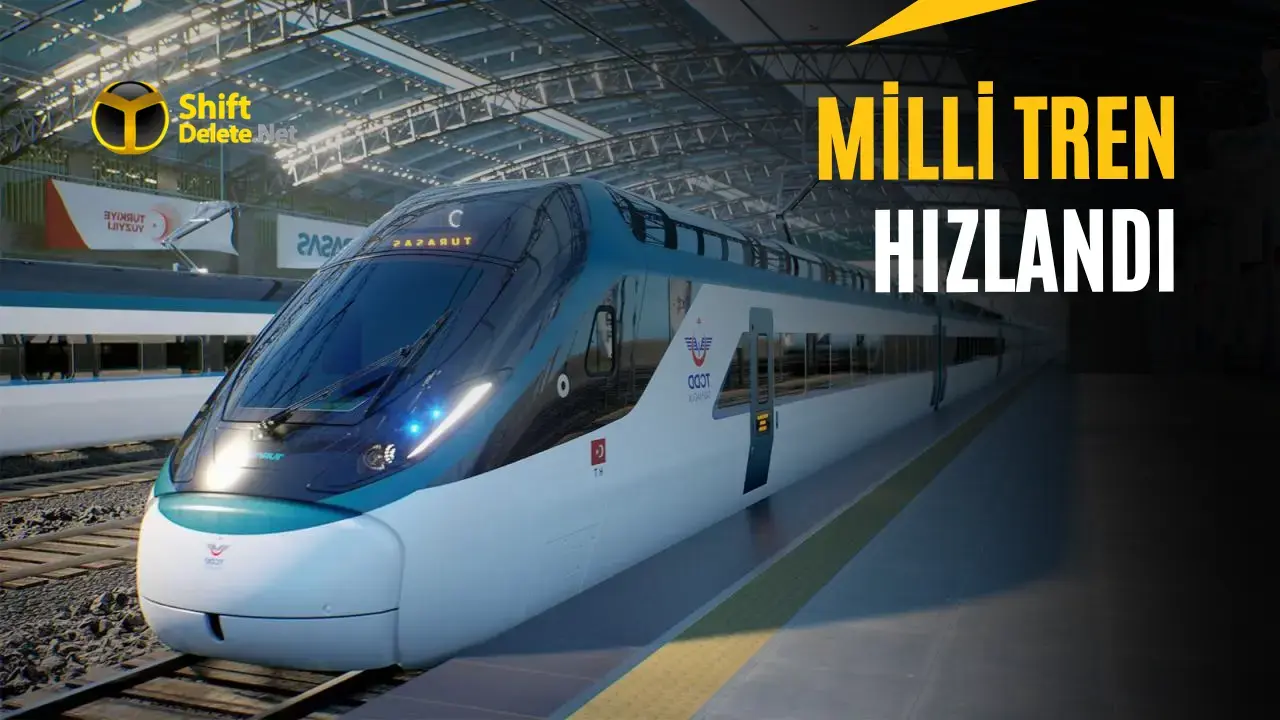
Turkey has achieved a significant milestone in its rail technology localization efforts as the National Electric High-Speed Train, developed by TÜRASAŞ, successfully reached a speed of 250 km/h during ongoing dynamic testing. Transport and Infrastructure Minister Abdulkadir Uraloğlu announced that the rigorous safety and performance trials are currently being conducted along the Gebze-Eskişehir and Eskişehir-Polatlı routes. This latest achievement surpasses the previous record of 240 km/h set in May, marking a crucial step in verifying the vehicle’s structural integrity, braking systems, and overall operational safety as the country advances its domestic rail manufacturing capabilities.
- The National Electric High-Speed Train reached a record speed of 250 km/h during recent safety verification tests.
- TÜRASAŞ designed the eight-car train set with a total capacity of 577 passengers.
- ASELSAN provided critical domestically developed systems including the Train Control and Management System.
- The Ministry of Transport and Infrastructure plans to produce 14 high-speed train sets between 2026 and 2028.
Operational Standards Are Being Finalized
While the prototype has demonstrated the ability to reach 250 km/h, the designated operational speed for the fleet is set at 225 km/h. Engineers are currently utilizing the test program to validate the train’s performance under various stress conditions. These comprehensive evaluations focus on ensuring that the aluminum-bodied train meets international standards for passenger safety, comfort, and infrastructure compatibility. The ongoing tests serve as a final proving ground before the units are cleared for mass transit service.
Modern Features Are Being Integrated Into Design
The eight-car train set is engineered to offer both efficiency and high-end passenger amenities. Beyond its structural robustness, the train includes advanced climate control, automated fire detection, and sophisticated passenger information systems. Accessibility remains a priority in the design, featuring two dedicated sections for passengers with disabilities and specialized elevator systems to facilitate seamless boarding from station platforms. These features ensure that the national project competes with global high-speed rail standards.
Critical Systems Are Being Developed Domestically
A cornerstone of this project is the integration of locally produced technology. The Train Control and Management System (TKYS) and the traction system were developed in collaboration with ASELSAN. By producing these critical components domestically, Turkey significantly reduces its dependence on foreign technology for high-speed rail infrastructure. These systems manage essential functions such as motor control, power distribution, and safe navigation, demonstrating the country’s growing expertise in complex railway engineering.
Mass Production Plans Are Being Executed
The success of the prototype marks the beginning of a broader industrial strategy. The government has already confirmed plans to produce 14 additional high-speed train sets at the TÜRASAŞ facilities in Sakarya between 2026 and 2028. This transition from prototype development to serial production represents a major leap for the Turkish rail industry, building upon the experience gained from previous national electric train projects. As testing continues, the data gathered will be essential for the final certification of the fleet.
What are your thoughts on Turkey’s advancements in high-speed rail technology and the potential impact on domestic travel? Share your opinions in the comments section below.
Your comment has been submitted,
it will be published after approval.