
New York City Schools Implement Strict Artificial Intelligence Ban for Students

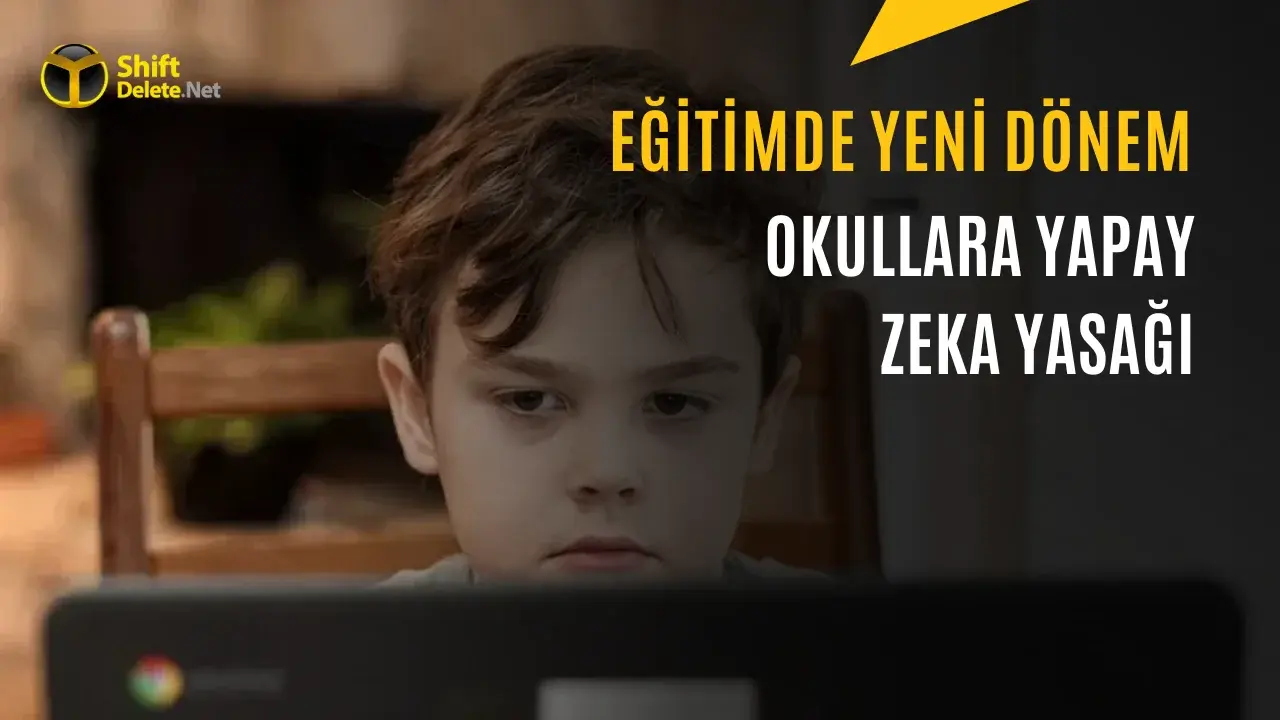
New York City Mayor Zohran Mamdani has officially announced a sweeping ban on the use of artificial intelligence (AI) in public schools across the city, set to take effect during the 2026-2027 academic year. This one-year moratorium targets students up to the eighth grade, impacting approximately 600,000 children within the district. Mayor Mamdani characterized this bold legislative move as a commitment to securing a healthy future for the next generation, emphasizing that technological adoption must only occur when it demonstrably serves the educational and developmental needs of students rather than replacing fundamental human interaction.
- The ban prohibits AI tools for students up to eighth grade starting in the 2026-2027 school year.
- State officials aim to prioritize face-to-face social interaction and critical problem-solving skills over chatbot reliance.
- High school students remain exempt from the ban and will participate in specialized AI literacy programs instead.
- New guidelines recommend daily screen time limits of 30 minutes for elementary and 45 minutes for middle school students.
Human Interaction Remains the Priority for Educators
Governor Kathy Hochul highlighted that the state is taking a pioneering role in ensuring that children maintain their focus on deep learning. The primary objective of this restriction is to safeguard the quality of classroom engagement. Educators believe that by removing AI-driven chatbots from the learning process, students will be forced to develop their social skills and analytical abilities through direct communication with teachers and peers. This one-year period will serve as a diagnostic phase, during which a coalition of parents, teachers, and policy experts will analyze the long-term impact of these tools on child development before deciding on future policy adjustments.
High School Students Continue Their AI Training
While younger students face strict restrictions, the policy treats high schoolers differently. Students in older grades will not be subject to the ban, as they participate in pilot programs designed to monitor the efficacy of AI in educational settings. To ensure these students do not develop an over-reliance on technology, they will be required to attend mandatory courses twice a year focused on critical thinking and the ethical limitations of artificial intelligence. Furthermore, teachers retain the authority to use generative AI for administrative tasks and lesson planning, provided these tools adhere to established district security and privacy standards.
Special Exemptions Protect Diverse Learning Needs
The city has implemented specific exemptions to ensure that the ban does not disadvantage students with unique learning requirements. Children with disabilities, those learning multiple languages, and students enrolled in technical career-preparation programs—such as computer science tracks—will be permitted to utilize specific AI tools as necessary. Additionally, the city is introducing new recommended guidelines for daily screen time to curb digital dependency. While these limits are not strictly mandatory, they provide a framework for families to manage their children’s time spent in front of digital devices.
We are eager to hear your thoughts on this significant shift in educational policy. Do you believe that banning artificial intelligence in classrooms will genuinely improve student development, or are we missing out on essential technological preparation for the future? Please share your perspective in the comments section below.
Your comment has been submitted,
it will be published after approval.