
Snapdragon 8 Elite Gen 6 Pro Design Details Surface

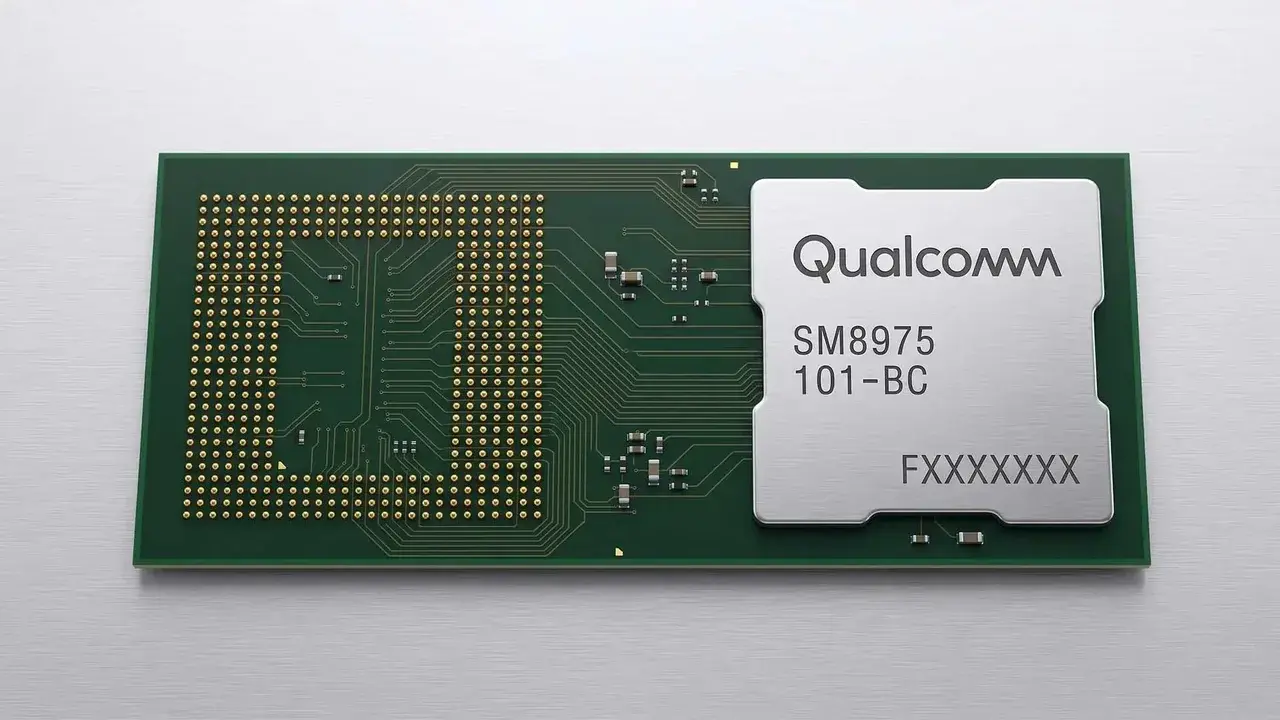
Qualcomm’s upcoming flagship processor, the Snapdragon 8 Elite Gen 6 Pro, has sparked significant interest in the tech industry following the emergence of leaked design specifications. Recent reports reveal that the semiconductor giant is shifting its architectural approach for this chipset to prioritize advanced thermal management. By moving away from traditional stacking methods, the new design utilizes a larger die surface area compared to its predecessor, the Snapdragon 8 Elite Gen 5. This structural evolution aims to sustain higher performance levels under intense workloads, potentially reshaping how future high-end smartphones handle heat and component integration for improved efficiency and longevity.
- The chipset utilizes a new architectural layout that moves the DRAM module to the side of the processor die for better heat dissipation.
- Engineers have abandoned the traditional Package-on-Package configuration to accommodate a dedicated cooling solution for memory units.
- The hardware supports LPDDR5X RAM and relies on TSMC’s 2nm N2P process to optimize power consumption while maintaining peak performance.
New Thermal Architecture Improves Cooling Performance
The core innovation in the Snapdragon 8 Elite Gen 6 Pro involves a departure from standard assembly practices. Drawing inspiration from heat spreader solutions seen in other high-performance mobile silicon, the new design allows for significantly improved thermal regulation. By decoupling the DRAM from the top of the processor die, Qualcomm has enabled the integration of a custom cooling component. This physical separation prevents localized hotspots, ensuring that both memory and compute units maintain stability during prolonged operation.
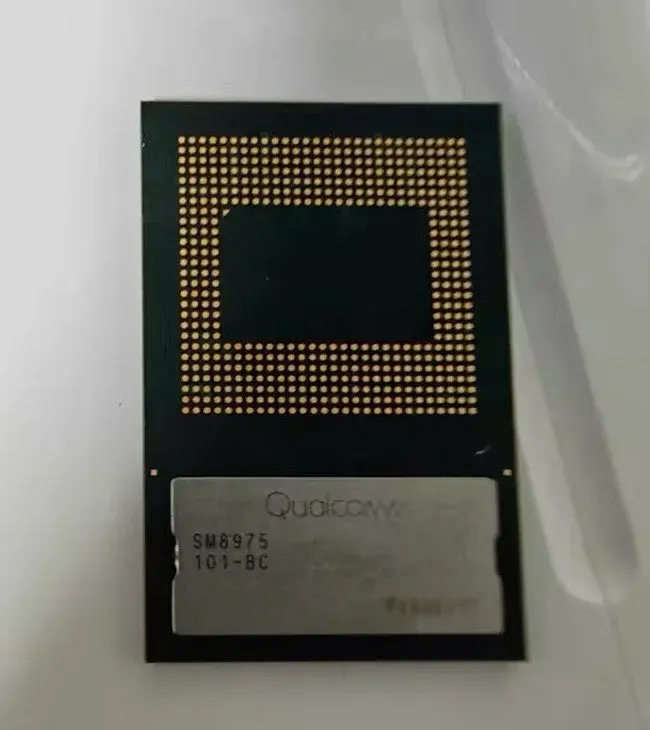
Because the DRAM is now positioned laterally, the chipset occupies a larger physical footprint on the logic board. This change necessitates a comprehensive redesign of internal smartphone layouts by manufacturing partners. While this presents an initial challenge for compact device engineering, it provides greater flexibility for component placement, which is essential for managing the thermal envelopes of next-generation mobile devices.
Technical Specifications Enhance Processing Capabilities
Identified by model numbers SM8975 and 101-BC, the Snapdragon 8 Elite Gen 6 Pro represents a strategic shift toward sustainable performance. Although some rumors suggested a move to newer standards, the platform will support LPDDR5X memory. By pairing this memory with a dedicated cooling path, the system is designed to maintain higher sustained clock speeds. This ensures that both the CPU and GPU perform consistently without aggressive thermal throttling, even during intensive gaming or multitasking scenarios.
Furthermore, the utilization of TSMC’s 2nm N2P node plays a critical role in the chipset’s efficiency. This advanced manufacturing process is expected to minimize power leakage, providing a direct benefit to battery longevity. By addressing the physical constraints of previous generations, Qualcomm is positioning this processor to deliver more reliable results in real-world usage rather than just short-lived benchmark spikes. As the industry awaits official performance data, the focus remains on how these structural modifications will translate into tangible improvements for end-users.
We would love to hear your thoughts on these architectural changes; do you believe moving the DRAM to the side will be the ultimate solution for mobile overheating, or are you concerned about the impact on device thickness?
Your comment has been submitted,
it will be published after approval.