
Modular Homes Designed by AI Offer Turnkey Solutions in Weeks

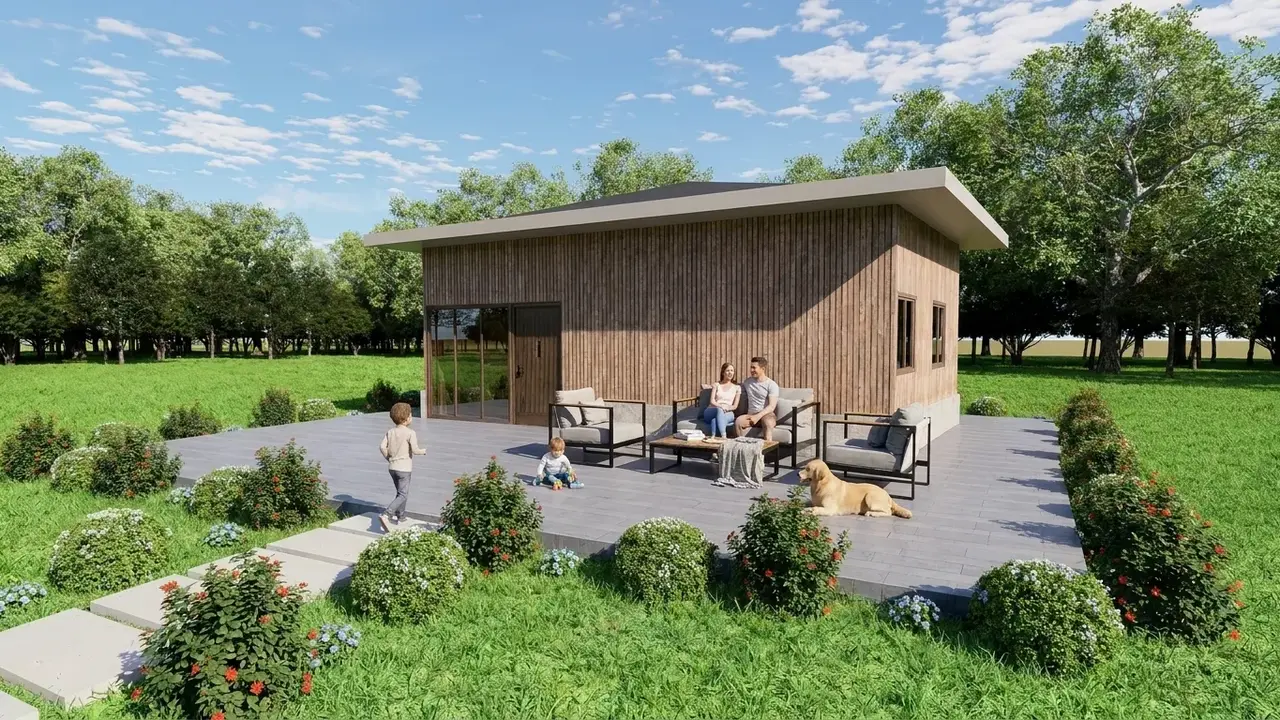
The Turkish housing sector is currently undergoing a significant transformation as modular homes designed by artificial intelligence are shifting construction from traditional, labor-intensive sites to controlled factory environments. Companies like ifHaus are addressing the growing demand for accessible housing by delivering completed, ready-to-live residences in as little as three to four weeks. Unlike conventional construction methods, which can take months to complete due to curing times and material delays, this modern approach utilizes an assembly-line model. By optimizing production workflows, these manufacturers ensure that structural integrity and quality control standards are met, providing a high-speed solution to the country’s urgent need for efficient residential developments.
- Modular home production utilizes a factory-based assembly line to ensure consistent quality control and protection from adverse weather conditions.
- AI-driven design tools allow users to input plot dimensions to generate customized villa layouts that fit specific land parcels within seconds.
- The modular construction system eliminates the need for heavy machinery or cranes during the on-site assembly phase.
- Total project timelines from contract signing to final handover are reduced to an average of three to four weeks.
Factory Production Replaces Traditional Construction Methods
The core of this system lies in the precision of the manufacturing process. Instead of building walls, foundations, and roofs on a plot, the house is segmented into room-sized modules. These units leave the production line fully equipped with internal finishes, tiled bathrooms, and installed kitchens. Because the environment is climate-controlled, the construction process is immune to rain, frost, or other external delays that typically plague traditional building sites. This method ensures that the structure is durable, well-insulated, and ready for immediate assembly upon arrival at its final destination.
Artificial Intelligence Enhances the Design Phase
Technology has become a cornerstone of the modern architectural experience, moving beyond simple production efficiency. Prospective homeowners can now utilize specialized AI software to visualize their future homes on their specific plots of land. By entering precise land measurements into the digital tool, the software generates a layout that adheres to local zoning requirements and structural constraints. This digital-first approach allows for transparency, as users can view updated price lists and monitor their production progress through a centralized interface, effectively flipping the traditional architect-client relationship.
Modular Systems Support New Housing Programs
This rapid construction technology is particularly relevant for beneficiaries of government-led initiatives such as the TOKİ “First Home, First Plot” program. With strict deadlines requiring participants to initiate construction within one year and finalize the structure within two, the speed of factory-built modular homes provides a viable path to compliance. By adhering to standardized dimensions and utilizing high-quality, pre-tested components, these homeowners can meet their obligations without the risks associated with prolonged, traditional construction schedules.
Quality Standards Must Be Verified Before Purchase
As the market for modular housing expands, buyers must exercise caution and conduct thorough due diligence. It is essential to request written documentation regarding the scope of the contract, ensuring that the quote includes all finishing works. Furthermore, potential owners should verify that the manufacturer provides valid CE certification, fire safety reports, and structural test results. A reputable provider will always offer a transparent, fixed-price model, ensuring that the consumer knows exactly what they are paying for before the assembly begins.
Have you considered the benefits of shifting from traditional construction to factory-made modular living? Share your thoughts on whether you would feel comfortable living in an AI-designed home in the comments section below.
Your comment has been submitted,
it will be published after approval.