
Intel Processor Prices to Increase by 10 Percent in October

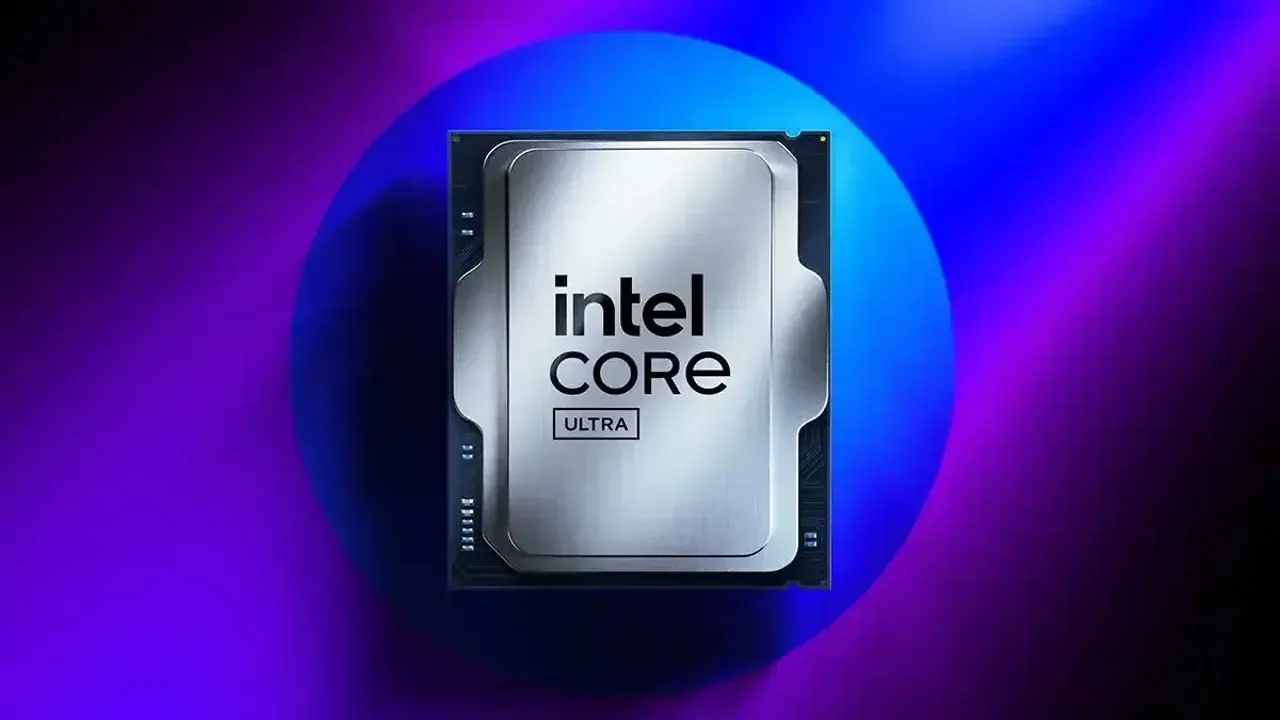
Intel is preparing to implement another round of adjustments to its Intel processor prices, with reports indicating that the company plans to raise CPU costs by 10 percent starting in October. This upcoming price hike follows previous financial updates enacted by the technology giant during the first quarter and again in July of this year. While the specific impact on desktop versus mobile platforms remains unconfirmed by official sources, the move signals a broader trend of cost restructuring. As global PC shipments face a projected decline, Intel is maneuvering to stabilize its financial standing through both pricing adjustments and significant organizational changes.
- Intel plans a 10 percent increase in CPU costs effective from October.
- The company aims to bolster gross profit margins despite shrinking global PC shipment projections.
- A workforce reduction of 5 to 10 percent is currently under consideration by management.
- Strategic shifts in product focus may create openings for competitors like Qualcomm and MediaTek.
Profit Margins Drive the New Pricing Policy
The primary motivation behind this price adjustment is not to expand market share, but rather to enhance gross profit margins. Despite industry forecasts suggesting that global PC shipments will drop from 260 million to 250 million units by 2027, Intel remains committed to its profit-oriented strategy. The company calculates that regaining a shipment volume of 200 million units could allow it to secure a 78 percent market share.
To reach these financial benchmarks, Intel is reportedly evaluating the total removal of product series that rely exclusively on E-Core architectures. Such a fundamental shift in product composition could create a vacuum in the industrial PC and IoT chip sectors. Industry analysts suggest that this strategic withdrawal from certain segments may allow rivals like Qualcomm and MediaTek to capture a larger portion of the market.
Workforce Restructuring Efforts Continue
Beyond changes to its hardware catalog, Intel is moving forward with a significant downsizing of its 75,000-person workforce. Insiders indicate that the company is planning a reduction in staff ranging from 5 to 10 percent. This follows a similar personnel reduction within the Data Center and AI divisions that occurred earlier in July.
Interestingly, the company continues to recruit for specific roles even while simultaneously carrying out these broad layoffs. This dual approach highlights the company’s focus on operational efficiency amid a cooling global PC market. By optimizing its organizational structure, Intel intends to maintain its competitive edge in a challenging macroeconomic environment.
Market Dominance Requires Operational Agility
The rise of competition in IoT and industrial sectors necessitates a more flexible approach for the chipmaker. Intel is balancing the need to lower operating costs with the requirement to retain specialized talent in critical development areas. As the industry watches these developments, the long-term impact of these cost-cutting measures on Intel’s market leadership remains a topic of intense debate among investors and technology experts.
How do you evaluate Intel’s decision to increase processor prices while simultaneously reducing its total workforce? We invite you to share your perspective and predictions regarding the future of the PC chip market in the comments section below.
Your comment has been submitted,
it will be published after approval.