
Why the iPhone 18 Launch Strategy Changed This Year

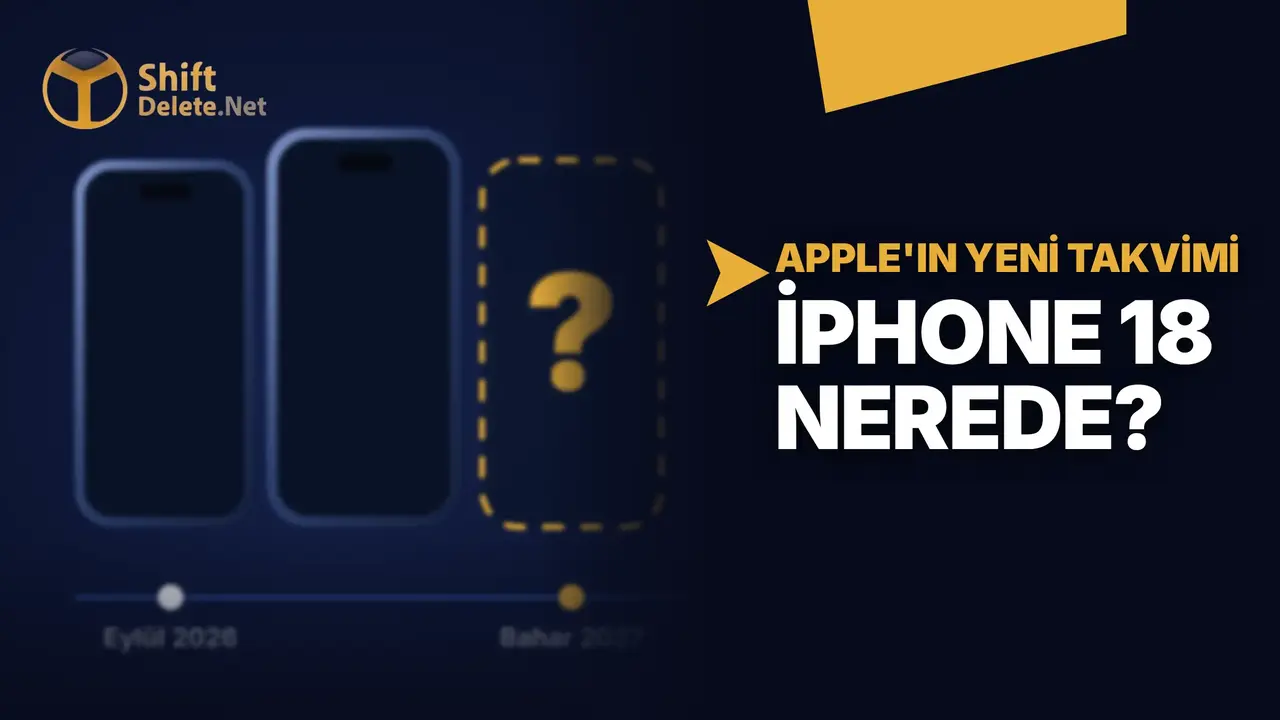
On September 9, 2026, Apple deviated from its two-decade tradition by unveiling the iPhone 18 Pro, Pro Max, and the innovative foldable iPhone Duo, while notably omitting the standard iPhone 18 model from the lineup. This unexpected shift at the Cupertino event marks a fundamental change in how the company manages its product lifecycle. Rather than signaling production delays or last-minute cancellations, Apple has officially decided to split its annual iPhone releases into two distinct waves. By separating the high-end premium devices from the entry-level and mass-market handsets, Apple is fundamentally restructuring its global launch calendar to optimize sales and supply chain efficiency.
- Apple has split its annual product launch cycle into two separate events to prioritize premium models during the peak holiday season.
- The standard iPhone 18, the iPhone 18e, and the second-generation iPhone Air are scheduled for release in the spring of 2027.
- The company aims to balance manufacturing pressures and boost revenue during historically quieter quarters through this bifurcated strategy.
- Turkish consumers face a significant shift in the market, with higher price points for available models and potential currency-related cost increases for future releases.
New Models are Expected in the Spring Wave
Industry reports and supply chain leaks indicate that the second phase of the launch will take place in the spring of 2027. This secondary event is expected to feature three specific devices: the standard iPhone 18 equipped with the A20 chip and increased RAM, an entry-level iPhone 18e, and the revamped iPhone Air 2. 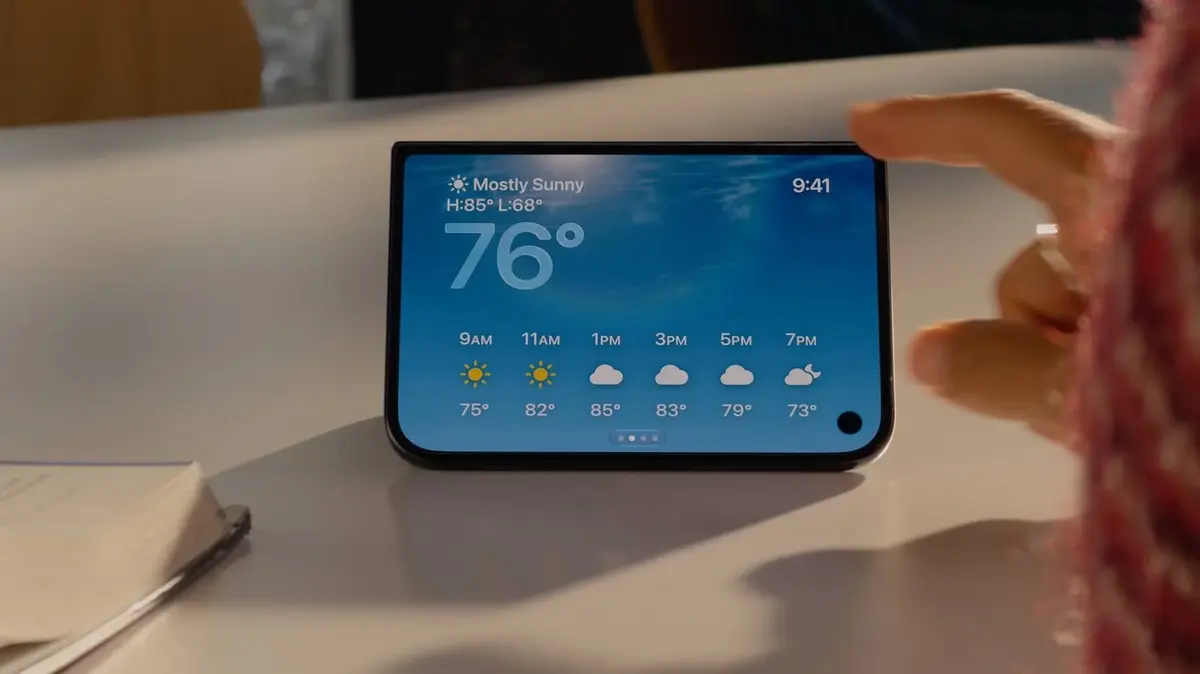 Because no affordable model was introduced this autumn, consumers looking for lower price points must rely on existing stocks of the iPhone 17 and iPhone 16, which recently saw significant price adjustments in certain regional markets.
Strategic Shifts are Driving the Decision
Apple’s move to decouple its release schedule is rooted in several business objectives. By reserving the autumn months exclusively for the Pro and foldable series, the company maximizes its average selling price during the year’s most lucrative shopping season. 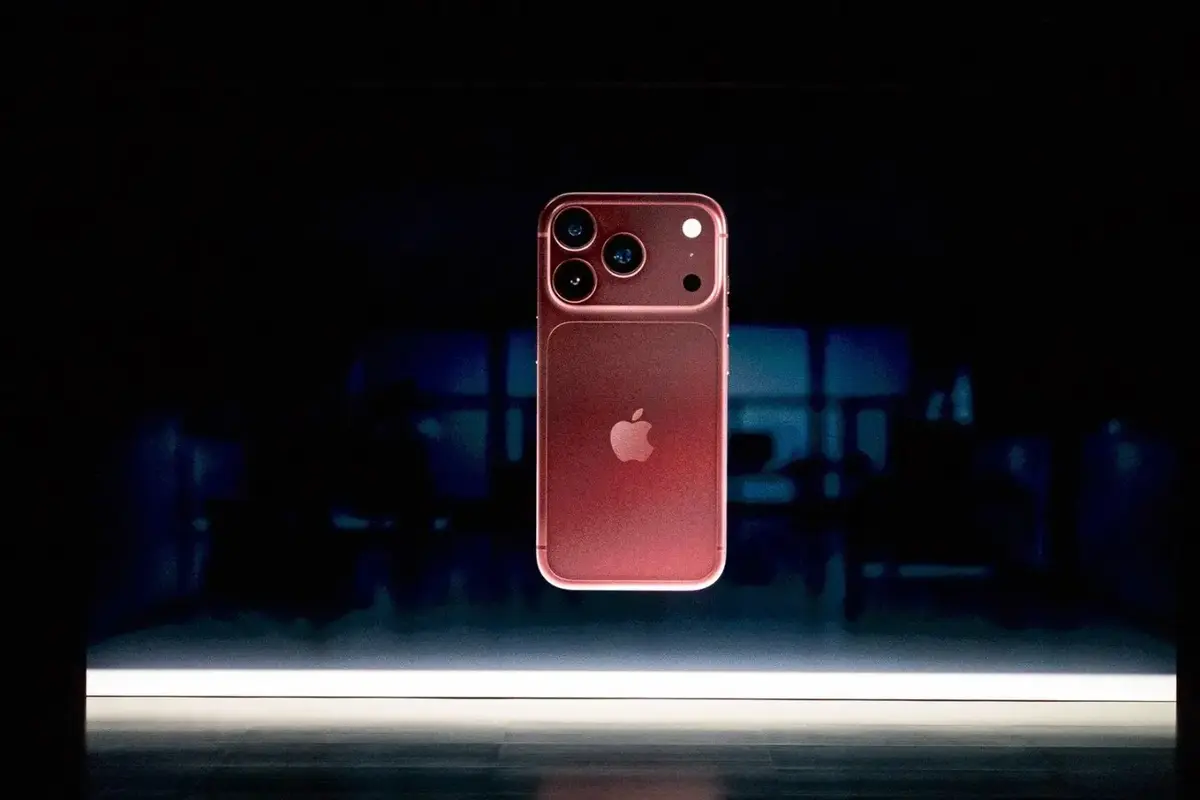 Furthermore, the expanded product lineup—now consisting of six distinct lines—has become too complex to manage within a single production window. Dividing the launch helps distribute the logistical burden on the supply chain and provides a much-needed sales catalyst during the slower spring quarter.
Quality Standards are Impacting the Foldable Launch
Even the flagship iPhone Duo will not be immediately available upon the conclusion of the September event. Pre-orders are scheduled to begin on October 16, with retail availability following on October 23. Reports from supply chain analysts suggest that Apple has set rigorous quality benchmarks for the hinge mechanism and display flatness of the foldable device, leading to a more cautious and gradual rollout to ensure product reliability. 
Market Consequences are Emerging for Consumers
For international buyers, specifically those in the Turkish market, this change carries clear implications. The absence of a new standard model this autumn leaves consumers with fewer choices in the mid-range segment. Because older professional models have been discontinued, the entry price for the latest technology has risen substantially. Prospective buyers must also consider the potential for further price increases due to currency fluctuations, which may make waiting for the spring release a financially unpredictable endeavor. Whether this two-wave launch becomes the permanent new normal for Apple will largely depend on the performance of the spring 2027 sales cycle.
How do you feel about Apple splitting its launch strategy into two separate events throughout the year? Do you think waiting until the spring for a standard model is worth the wait, or does this change make the iPhone less appealing? Share your thoughts and predictions in the comments section below.
Your comment has been submitted,
it will be published after approval.