
Apple Intelligence Usage Limits and Subscription Tiers Announced


Apple has officially released a comprehensive support document detailing new Apple Intelligence usage limits and updated terms of service. This announcement clarifies that the company will impose specific restrictions on server-side AI features to maintain system stability and resource availability. As the demand for intensive cloud-based processing grows, Apple is implementing these measures to ensure that tools like Siri AI and image generation remain accessible to all users. These policies, which follow discussions initiated during the WWDC26 event, represent a strategic effort by the technology giant to balance high-performance computing needs with overall service sustainability.
- Apple is introducing usage limits on server-side AI features to manage intensive computational demands.
- Users will have the option to purchase increased access tiers once their initial limits are reached.
- iCloud+ subscribers gain access to Apple Intelligence features for home security cameras based on their specific storage plans.
- Violation of terms, such as automated or fraudulent activity, may lead to the suspension of service access.
New Restrictions are Affecting Advanced AI Features
The latest documentation highlights that features requiring significant server-side processing, including Siri AI, Intelligent Photo Editing, Image Playground, and the AFM 3 Cloud models, are subject to these new usage caps. 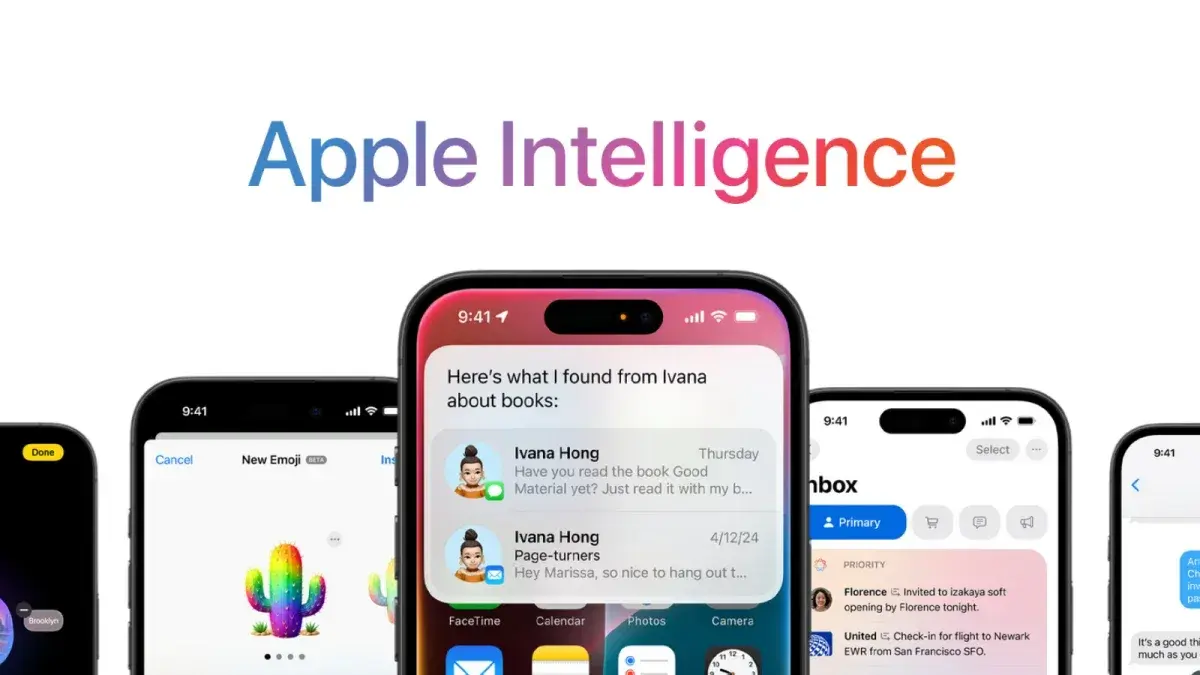 When a user hits their designated processing limit, these specific tools will become temporarily unavailable. Access is expected to be restored automatically after a cooling-off period, though the duration of these limits may fluctuate based on system traffic, the complexity of individual requests, and current infrastructure load.
Perhaps most notably, Apple confirmed that a paid model is in development for power users who require higher usage thresholds. By offering expanded access through a subscription-based framework, the company aims to sustain the heavy costs associated with high-end generative AI while providing a scalable solution for those who rely on these tools for professional or heavy personal use.
iCloud+ Subscriptions Define Home Camera Integration
Beyond standard software tools, Apple Intelligence is expanding its reach into smart home management. The integration with home security cameras via the Home application is directly tied to a user’s iCloud+ subscription level. This ensures that features like automated video summaries are tiered to match existing storage commitments.
Under the current guidelines, users with a 2 TB iCloud+ plan are entitled to support for a single camera. This allowance scales up to two cameras for 6 TB subscribers, while those holding a 12 TB subscription can leverage these AI-enhanced video features across five distinct cameras. Apple has noted that these quotas are subject to change as the technology evolves, emphasizing that adherence to the Apple Intelligence Usage Terms remains mandatory for all account holders.
The company maintains a strict policy against misuse, including automated, fraudulent, or illegal operations. Any behavior deemed inconsistent with these terms may result in the throttling, suspension, or permanent termination of access to AI features. By formalizing these regulations, Apple is establishing a clear framework for the future of its integrated artificial intelligence ecosystem.
We are eager to hear your perspective on these new operational limits; do you believe that a tiered subscription model for AI features is a fair approach, or should these tools remain entirely included in the base device experience? Share your thoughts in the comments section below.
Your comment has been submitted,
it will be published after approval.