
Testing the Locally Produced 636 kWh SANY Electric Truck

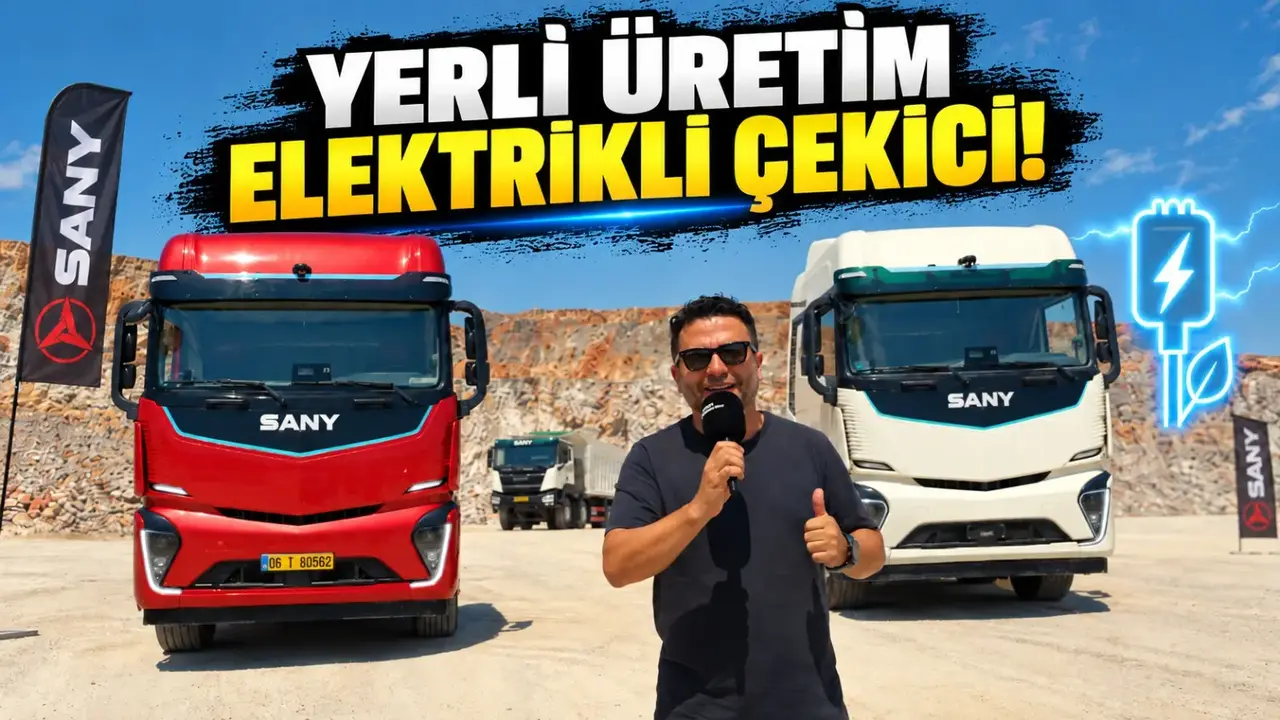
A domestically produced SANY electric truck, manufactured in Ankara, Turkey, has successfully completed a rigorous heavy-duty performance test spanning the route from a demanding mining site in Kayseri to a cement facility in Tokat. This field evaluation highlights the operational capabilities of the vehicle, which is equipped with a 636 kWh LFP battery pack designed to withstand extreme industrial conditions. By replacing traditional internal combustion engines with high-performance electric powertrains, this initiative demonstrates a significant shift toward zero-emission logistics, offering a viable alternative for heavy-load transport while maintaining high efficiency and providing substantial fuel savings for the commercial trucking sector.
- The 636 kWh LFP battery provides an estimated operational range between 450 and 500 kilometers under heavy load conditions.
- Fast charging technology enables the battery to reach full capacity from 20 percent in approximately 40 to 45 minutes using 400 kW DC power.
- Operational cost analysis indicates that the electric truck reduces fuel expenses by 70 to 80 percent compared to diesel counterparts.
- Integrated safety features include a 360-degree camera system and a mandatory driver alcohol detection unit to ensure operational security.
The Vehicle Demonstrates High Performance Under Heavy Loads
During the testing phase on the challenging terrain of the mining site, the SANY electric truck exhibited exceptional handling despite its massive weight. The powertrain, utilizing dual electric motors, generates an impressive 1760 Nm of peak torque and 990 horsepower. This output ensures that the vehicle maintains consistent performance even on steep inclines while fully loaded. Furthermore, the regenerative braking system plays a vital role by converting kinetic energy back into the battery, which not only extends the driving range but also significantly reduces wear on the mechanical brake components.
The Technology Provides Significant Economic Advantages
The transition from diesel-powered engines to electric drive systems presents a clear financial benefit for logistics companies. Data gathered during the route tests shows that diesel trucks typically consume between 40 and 45 liters of fuel per 100 kilometers. In contrast, the electric model operates at a fraction of this cost. When companies utilize self-generated electricity from solar or wind power plants, the operational savings are maximized. Furthermore, reduced mechanical complexity leads to a decrease in maintenance expenses by approximately two-thirds, allowing operators to amortize their initial investment within two to three and a half years.
New Standards are Being Set for Safety and Technology
Safety remains a priority in the design of these heavy-duty vehicles. The selection of LFP chemistry for the battery packs ensures superior thermal stability and impact resistance compared to standard NMC alternatives. Beyond the powertrain, the vehicle includes advanced technological safety measures such as 360-degree environmental monitoring cameras and an integrated breathalyzer system that prevents the engine from starting if the driver fails the safety check. These features establish a new benchmark for safety in the heavy transport industry, reflecting a modern approach to driver and vehicle protection.
We invite you to share your thoughts on the transition from diesel to electric heavy-duty transport in the comments section below. Do you believe electric trucks will become the standard for long-distance logistics in the near future?
Your comment has been submitted,
it will be published after approval.