
Microsoft Plans Massive 38-Gigawatt Data Center Expansion by 2032

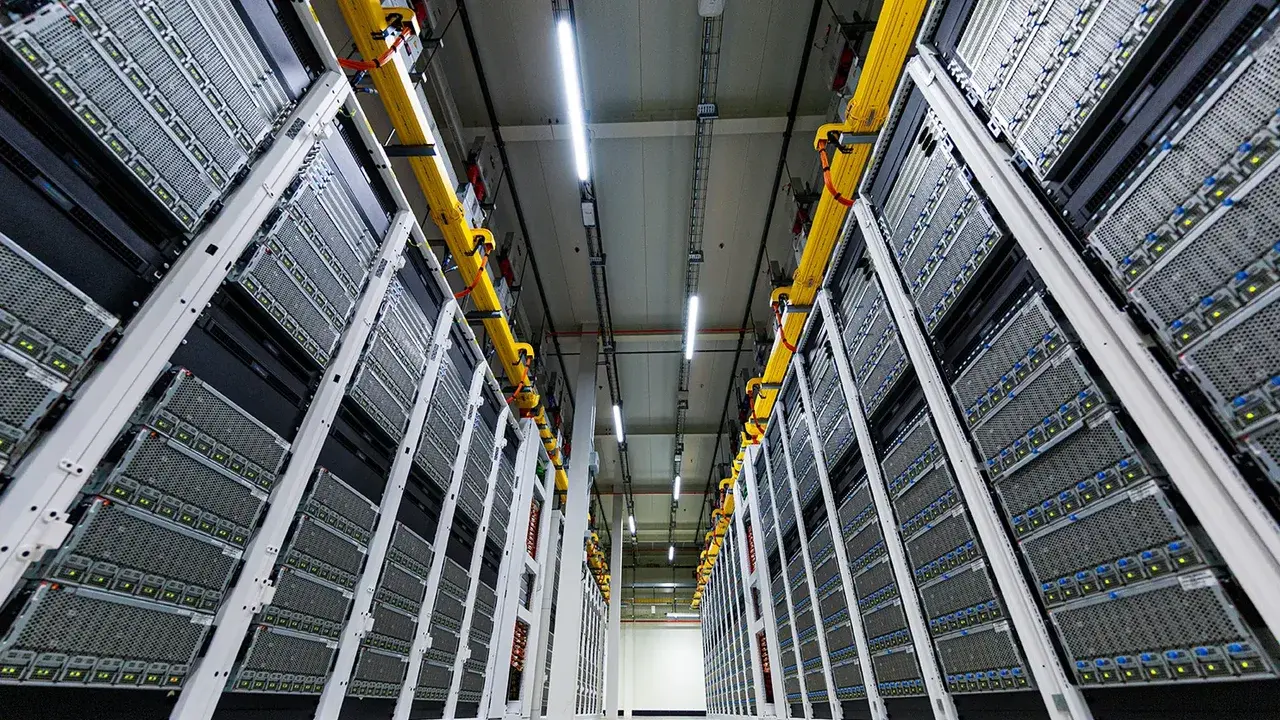
Microsoft is aggressively scaling its infrastructure to meet the surging demand for cloud computing and artificial intelligence, aiming to increase its total Microsoft data center capacity to 38 gigawatts by 2032. Currently operating at approximately 12 gigawatts, the tech giant intends to triple its footprint to maintain its competitive edge in the global AI race. This ambitious roadmap includes a combination of owned facilities and long-term leased sites to address the ongoing global shortage of processing power. As high-performance computing needs intensify, this strategic expansion represents one of the most significant infrastructure investments in the company’s history.
- Microsoft aims to reach a total capacity of 38 gigawatts across its global data center network by the year 2032.
- The company plans to allocate approximately one-third of its future capacity specifically to AI-focused specialized hardware.
- Capital expenditures are projected to reach 175 billion dollars for the 2026 calendar year to support infrastructure growth.
- Management is considering extending data center lease durations from 15 to 25 years to optimize long-term financial reporting.
AI Demand Triggers Global Capacity Requirements
The current infrastructure landscape is heavily strained by the rapid adoption of generative AI technologies. Out of the existing 12 gigawatts of capacity, only about 2 gigawatts are currently dedicated to specialized AI chips. Under the new expansion strategy, Microsoft projects that AI-specific hardware will account for roughly one-third of the total 38-gigawatt capacity. 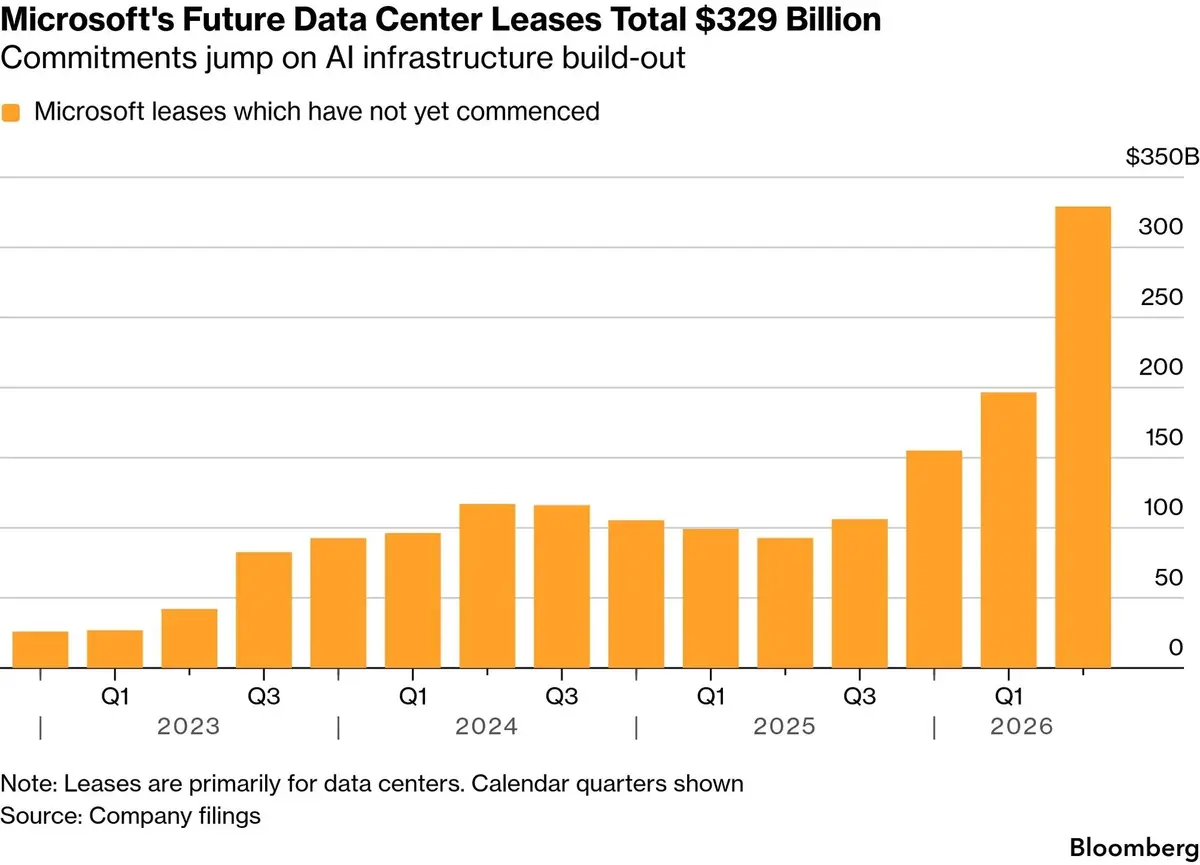 This shift is essential to mitigate the processing bottlenecks that have reportedly caused the firm to lose market share to competitors in recent months.
While the company is scaling its own hardware, it maintains a distinct separation between internal infrastructure and third-party solutions. Processing power acquired from neocloud providers, such as CoreWeave, remains excluded from these internal capacity projections. This distinction highlights Microsoft’s commitment to building a proprietary, highly efficient ecosystem capable of supporting the most complex machine learning workloads.
Capital Expenditures Drive Long-Term Financial Strategies
Financial commitments for this massive infrastructure overhaul remain substantial. Microsoft has indicated that capital expenditures are expected to hit 175 billion dollars in the 2026 calendar year, following a total expenditure of 145 billion dollars in the previous fiscal year. To manage these heavy costs, the company is evaluating structural adjustments to its real estate and leasing agreements. By extending lease terms from 15 to 25 years, the organization intends to amortize costs over a longer horizon, thereby stabilizing its annual capital reporting.
Despite reports circulating in the media, a spokesperson for Microsoft, Frank Shaw, stated that specific planning figures regarding the capacity expansion remain unverified. The company continues to prioritize its strategic roadmap as outlined in recent financial disclosures, emphasizing that it will maintain a disciplined approach to capital allocation while pursuing rapid growth in the AI sector. The scale of these investments underscores the intensity of the competition among major technology firms as they vie for dominance in the emerging intelligence economy.
The rapid expansion of physical infrastructure reflects the massive scale of the current AI transition, but it also raises questions about energy consumption and long-term hardware sustainability. We invite you to share your perspective on whether this investment in data center capacity is a necessary step for the future of the industry or if it creates an unsustainable burden on global energy resources.
Your comment has been submitted,
it will be published after approval.