
TCG Istanbul Achieves Record 80 Percent Localization Rate

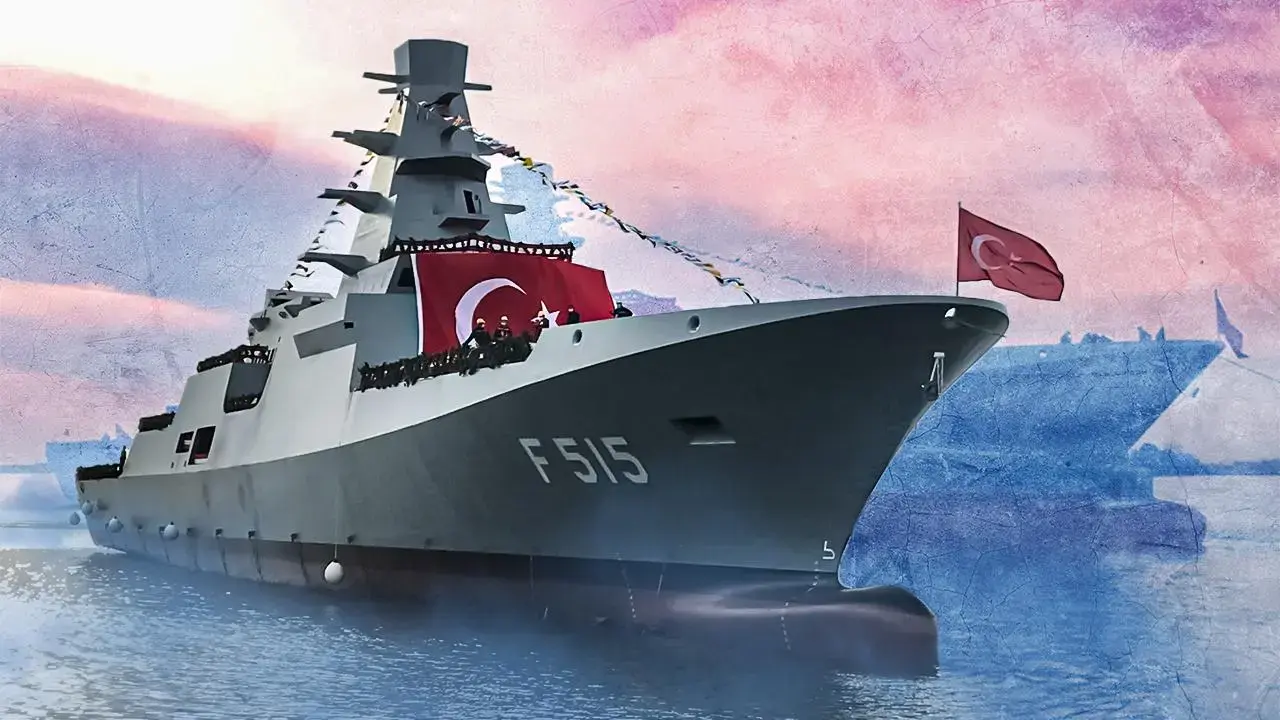
The Turkish Naval Forces have achieved a significant milestone in national defense as the TCG Istanbul (F-515) frigate reaches an impressive 80 percent localization rate. Developed under the MİLGEM İstif-class Frigate Project, the vessel marks a major shift in Turkey’s maritime capabilities, surpassing its initial design target of 75 percent. Managed by STM, this flagship project integrates cutting-edge domestic technology across its design and combat systems, positioning it as the most indigenous warship ever built in Turkey. With the involvement of over 220 local firms and 80 subcontractors, the project demonstrates the robust growth and maturity of the Turkish defense industry ecosystem.
- The TCG Istanbul frigate sets a new national record by reaching an 80 percent domestic production rate.
- A total of 220 companies contributed to the development and integration of over 150 critical naval systems.
- Advanced indigenous systems like the ADVENT Combat Management System and the MİDLAS launcher define the ship’s operational power.
- The Turkish government plans to expand the fleet with a total of eight planned İstif-class frigates.
Defense Industry Leaders Collaborate on Systems Integration
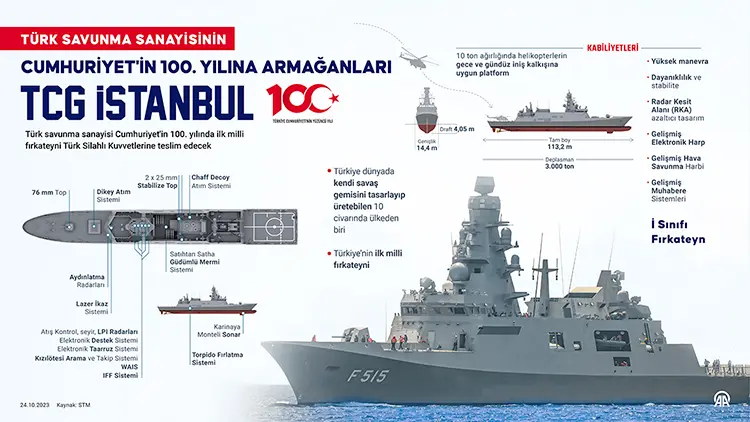
The success of the TCG Istanbul is rooted in a collaborative effort involving major industry players such as ASELSAN and HAVELSAN. These organizations have provided the vessel with a comprehensive suite of domestic technologies, ranging from sophisticated radar arrays to complex underwater defense systems. By replacing foreign dependencies with local solutions, Turkey has ensured that its naval assets remain autonomous and secure against external supply chain disruptions.
ASELSAN has outfitted the frigate with a wide array of high-tech hardware, including the CENK-400N search radar, the AKREP-300N fire control radar, and the AREAS-2NC electronic warfare suite. Complementing these, the HAVELSAN-developed ADVENT Combat Management System serves as the central brain of the ship, allowing for seamless coordination during naval engagements and surveillance missions.
National Weapon Systems Enhance Combat Capabilities
Beyond its advanced electronic sensors, the TCG Istanbul acts as a showcase for Turkey’s modern naval weaponry. The ship is heavily armed with locally developed munitions, ensuring it can handle diverse threats in contested maritime environments. Key assets include the ROKETSAN-manufactured ATMACA anti-ship cruise missile and the MİDLAS vertical launch system, which provides the frigate with flexible surface-to-air defense capabilities.
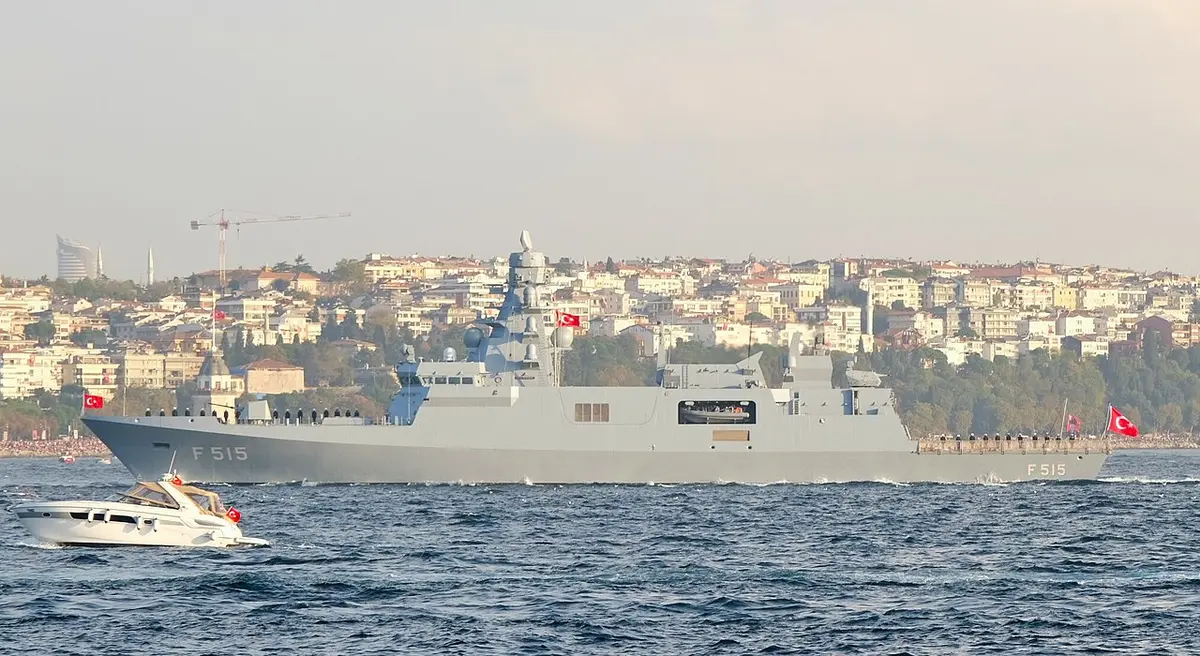
A pivotal moment for the program occurred during recent testing, when the frigate successfully performed the first-ever launch of a HİSAR-D RF missile via the MİDLAS system. This achievement confirmed the operational readiness of the platform to integrate national air defense missiles, a capability that significantly boosts the tactical reach of the Turkish Navy.
Engineers Design Versatile Maritime Platforms
Measuring 113 meters in length and 14.4 meters in width, the TCG Istanbul is designed for multi-role versatility. With a displacement of approximately 3,000 tons, the ship is engineered to conduct a variety of missions, including submarine warfare, surface combat, aerial surveillance, and early warning operations. Unlike smaller corvette-class vessels, the İstif-class design allows for the deployment of guided air defense missiles, making it a critical asset for protecting the nation’s maritime interests.
Production Plans Continue to Grow
The success of the TCG Istanbul serves as a blueprint for the future of the Turkish fleet. Authorities have already approved the construction of seven additional ships in the same class, bringing the total order to eight frigates. As the domestic industrial base continues to innovate in radar technology, electronic warfare, and missile systems, future vessels in the series are expected to achieve even higher rates of indigenous content, further solidifying Turkey’s position as a regional naval powerhouse.
As Turkey continues to advance its naval technology, we are interested in hearing your perspective on how these local defense advancements impact the country’s strategic position in the Mediterranean; please share your thoughts in the comments section below.
Your comment has been submitted,
it will be published after approval.