
Apple Intelligence May Enable Face ID on iPhone Duo Models

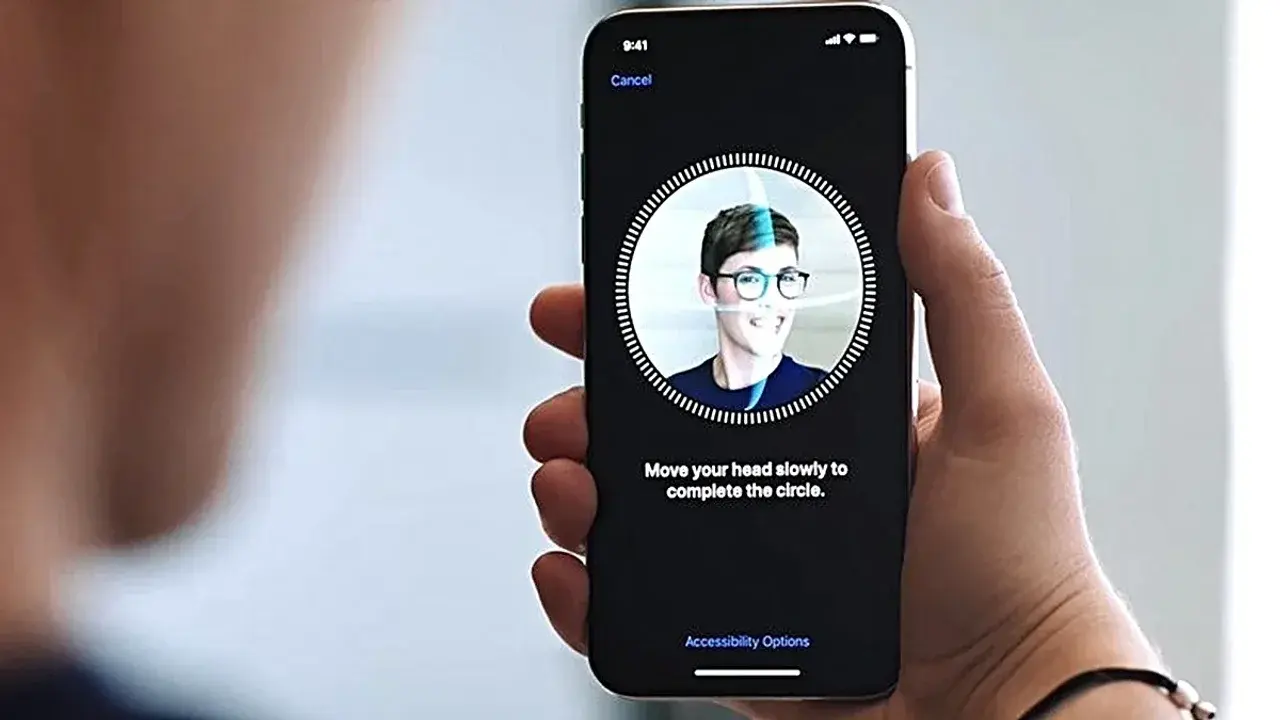
Apple is reportedly exploring a significant shift in biometric security for its ultra-slim iPhone Duo series by integrating Face ID technology. Currently, the device relies on Touch ID due to the physical limitations of its exceptionally thin chassis, which prevents the inclusion of traditional, bulky Face ID sensors. According to reports from Bloomberg, the tech giant is looking to leverage the power of Apple Intelligence to overcome these hardware constraints. By shifting complex image processing and depth sensing tasks from hardware to advanced AI software, Apple aims to incorporate its flagship facial recognition system into the future iterations of the iPhone Duo, marking a major evolution in how the company balances design aesthetics with sophisticated security features.
- Apple plans to replace the existing Touch ID system with Face ID in future iPhone Duo models.
- Physical space limitations in the ultra-thin device currently prevent the installation of standard Face ID hardware.
- Apple Intelligence will likely handle complex image processing to reduce the need for large physical depth sensors.
- The integration of advanced biometric features is expected to arrive with the third generation of the iPhone Duo series.
Face ID Faces Hardware Design Challenges
The primary hurdle for the engineering team at Apple remains the internal architecture of the iPhone Duo. Because the device is intentionally designed to be as thin as possible, there is simply no room for the complex camera array required by current Face ID modules. While Touch ID has served as a reliable compromise for users, it lacks the seamless, hands-free authentication experience that Face ID offers across the rest of the iPhone lineup.  Addressing this gap requires Apple to reconsider its hardware configuration, forcing the company to look for innovative ways to shrink component dimensions without sacrificing security performance.
Apple Intelligence Plays a Strategic Role
The potential solution lies in the sophisticated capabilities of Apple Intelligence. Instead of relying purely on physical hardware to map a user’s face, the company intends to offload significant portions of the data analysis to AI-driven algorithms. By allowing software to perform intensive image processing, the physical depth-sensing hardware can be made significantly smaller and less intrusive. This strategic move aligns perfectly with Apple’s long-standing philosophy of tightly integrating hardware and software to create a superior user experience. If successful, this approach will allow for the retention of the device’s signature slim profile while simultaneously introducing more robust, modern security protocols.
Third Generation Promises New Hardware Upgrades
Industry analysts expect that these major biometric updates will not materialize until the release of the third-generation iPhone Duo. In addition to the long-awaited arrival of Face ID, rumors suggest that this specific model may also feature a dedicated telephoto camera lens, further enhancing the device’s photography capabilities. While the release date for this iteration remains in the distant future, the transition highlights how Apple intends to use its internal software advancements to solve persistent engineering bottlenecks. The ability to overcome these technical limitations confirms that Apple remains committed to its goal of merging high-end security with a sleek, minimalist hardware design. As the company continues to refine its ecosystem, the role of artificial intelligence in hardware design will likely become even more prominent in future device cycles.
We would love to hear your thoughts on this potential shift in technology; do you believe that AI-assisted facial recognition will provide the same level of security as traditional sensor arrays, or do you prefer the tactile reliability of Touch ID?
Your comment has been submitted,
it will be published after approval.