
US Air Force Tests B-2 Bomber Fleet in Spirit Vigilance 2026

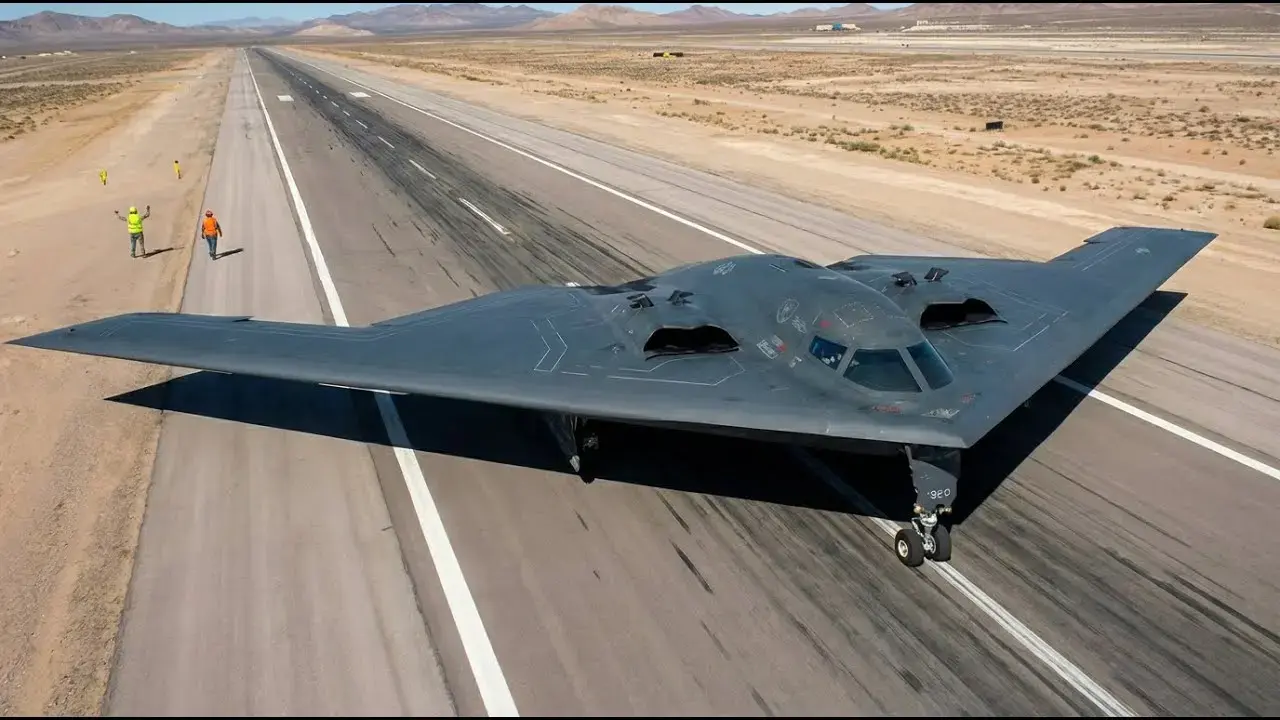
In a powerful display of strategic deterrence, the United States Air Force successfully conducted the “Spirit Vigilance 2026” exercise this past August at Whiteman Air Force Base, Missouri. The operation tested the rapid deployment capabilities of the 509th Bomb Wing, specifically focusing on the B-2 Spirit bomber fleet. By executing high-pressure drills, ground crews and pilots demonstrated their ability to prepare, arm, and launch multiple stealth bombers within a condensed timeframe. This exercise underscores the Air Force’s commitment to maintaining a high state of readiness, ensuring that the B-2 fleet remains a formidable and responsive component of America’s global strike capabilities whenever international tensions escalate.
- The 509th Bomb Wing successfully tested rapid deployment procedures for the B-2 Spirit fleet during the Spirit Vigilance 2026 exercise.
- Multiple stealth bombers were prepared and launched in quick succession to demonstrate surge capacity and operational coordination.
- The exercise reaffirmed the role of the B-2 as a critical element of the United States’ nuclear and conventional deterrence strategy.
Multiple Stealth Bombers Demonstrate Operational Readiness
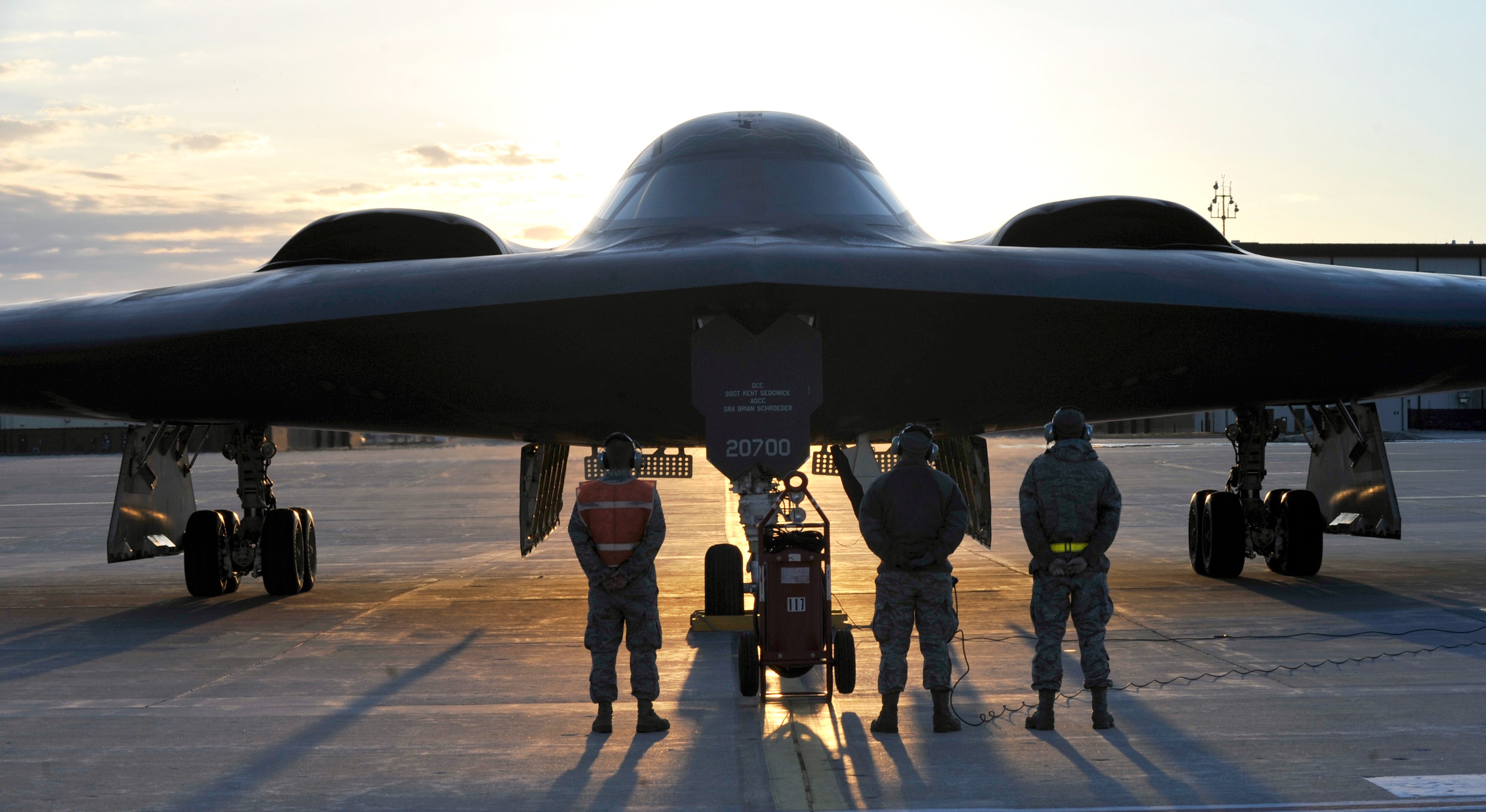
A significant highlight of the recent exercise was the simultaneous preparation of several B-2 aircraft. Official records confirm that the fleet included the Spirit of Florida, Spirit of New York, Spirit of Mississippi, Spirit of Oklahoma, Spirit of Alaska, and Spirit of Texas. These operations tested more than just flight capabilities; they pushed maintenance, munitions handling, and fuel coordination teams to their operational limits. By operating under simulated combat conditions, the Air Force ensures that every element of the ground support chain functions in harmony to support a rapid global response.
The Air Force Maintains Global Strike Capabilities
The primary objective of Spirit Vigilance is to enhance the proficiency of personnel and the overall readiness of the B-2 fleet for global strike missions. Whiteman Air Force Base officials noted that the exercise provides a realistic training environment where the rapid assembly of air power is the primary goal. This initiative sends a clear message to allies and adversaries alike: the United States possesses the capacity to project power quickly and decisively. The exercise highlights that the strength of the B-2 program rests not only on the aircraft but on the deep integration between aircrews and ground personnel.
The B-2 Remains a Strategic Vurucu Force
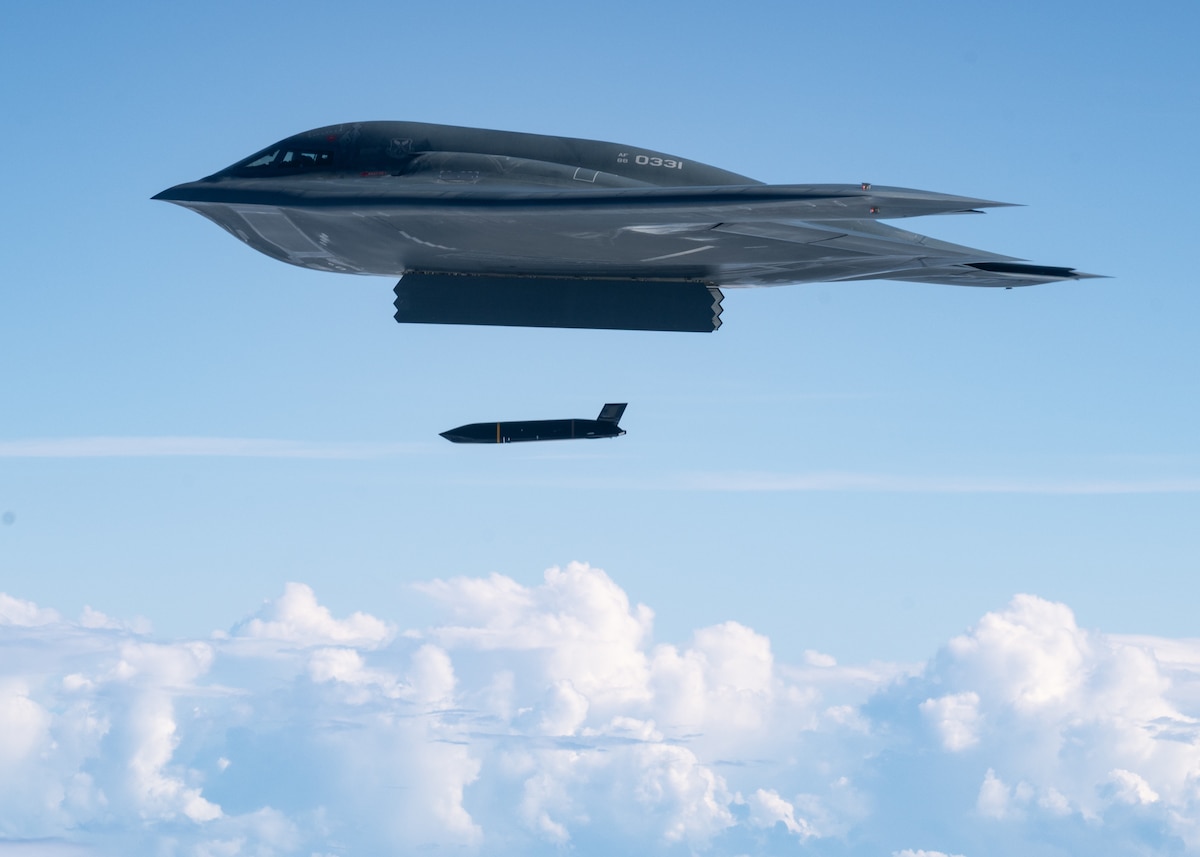
Designed by Northrop Grumman, the B-2 Spirit continues to be a cornerstone of American strategic power. Its advanced low-observable technology allows it to penetrate heavily defended airspace while maintaining a low radar, infrared, and acoustic signature. With a non-refueled range of approximately 9,600 kilometers, it remains a versatile platform capable of delivering both conventional and nuclear payloads. While the B-21 Raider is slated to eventually replace this legacy fleet, current training exercises prove that the B-2 is still fully integrated into modern combat operations.
Previous Exercises Pave the Way for Current Success
This commitment to readiness is part of a long-standing tradition. In 2024, the Air Force conducted a similar iteration of the exercise, successfully launching 12 B-2 bombers at once. These recurring drills ensure that the Air Force remains prepared to handle any contingency. With only 19 B-2 Spirit bombers currently in service, keeping each aircraft in peak condition remains a vital operational priority for the Department of Defense.
The Operational Importance of the B-2 Continues
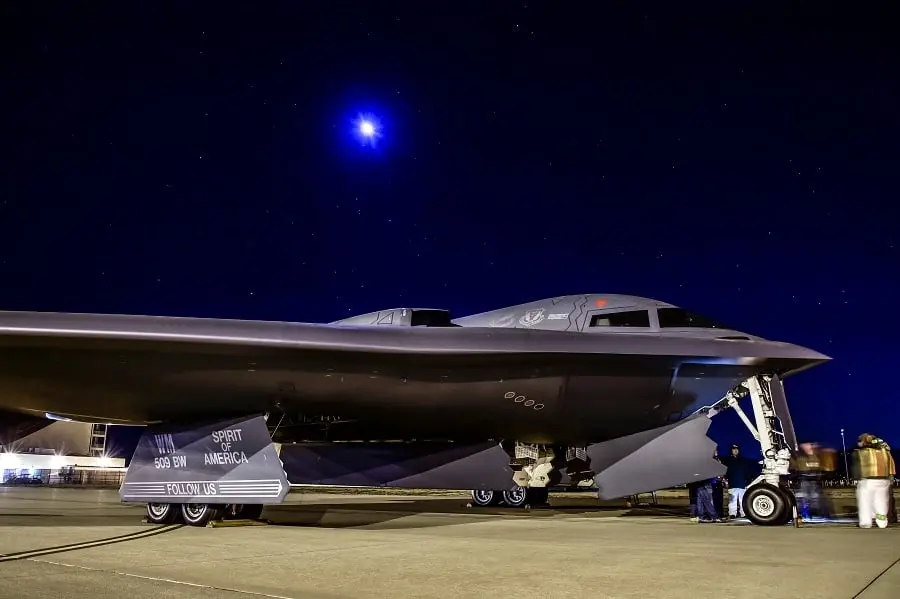
The B-2 fleet has seen real-world action in recent years, including participation in Operation Midnight Hammer and Operation Epic Fury in the Middle East. Although the transition to newer technology is on the horizon, the Spirit Vigilance 2026 exercise confirms that the current fleet is far from obsolete. The message from the Pentagon is clear: the United States is prepared to transform its stealth capabilities into a decisive force on a moment’s notice.
Given the evolving nature of global security and the continued reliance on legacy stealth technology like the B-2, what are your thoughts on the importance of these rapid deployment drills? We invite you to share your perspective on the future of strategic air power in the comments section below.
Your comment has been submitted,
it will be published after approval.