
Apple Begins Testing New MacBook Pro Models with OLED Screens


Apple has officially commenced the internal testing phase for its highly anticipated MacBook Pro models featuring advanced OLED display technology, as revealed through the development of the macOS 27.1 operating system. According to insights provided by Bloomberg’s Mark Gurman, the Cupertino-based tech giant is aggressively accelerating the development lifecycle for these next-generation laptops. As the company refines the software foundation, developers expect the first beta release of macOS 27.1 to arrive in the coming days, signaling a significant shift in Apple’s hardware roadmap as they prepare to integrate high-end visual performance and touch-capable interfaces into their professional notebook lineup.
- Apple has initiated internal testing for OLED-equipped MacBook Pro models integrated with the upcoming macOS 27.1 operating system.
- The new devices are expected to feature the high-performance M5 Pro and M5 Max chipsets to handle intensive professional workloads.
- The company aims to transition from traditional screen notches to the interactive Dynamic Island interface for its laptop series.
- Market release projections have shifted toward a target launch before the end of 2026 to capture the premium segment.
OLED Technology Enhances Visual Performance
The upcoming MacBook Pro lineup represents a pivotal change in Apple’s display strategy. By utilizing OLED panels, the new laptops will provide superior color accuracy and deeper contrast ratios compared to existing LED-based models. This shift is particularly significant for professional creative users who rely on precise color reproduction for their daily workflows. 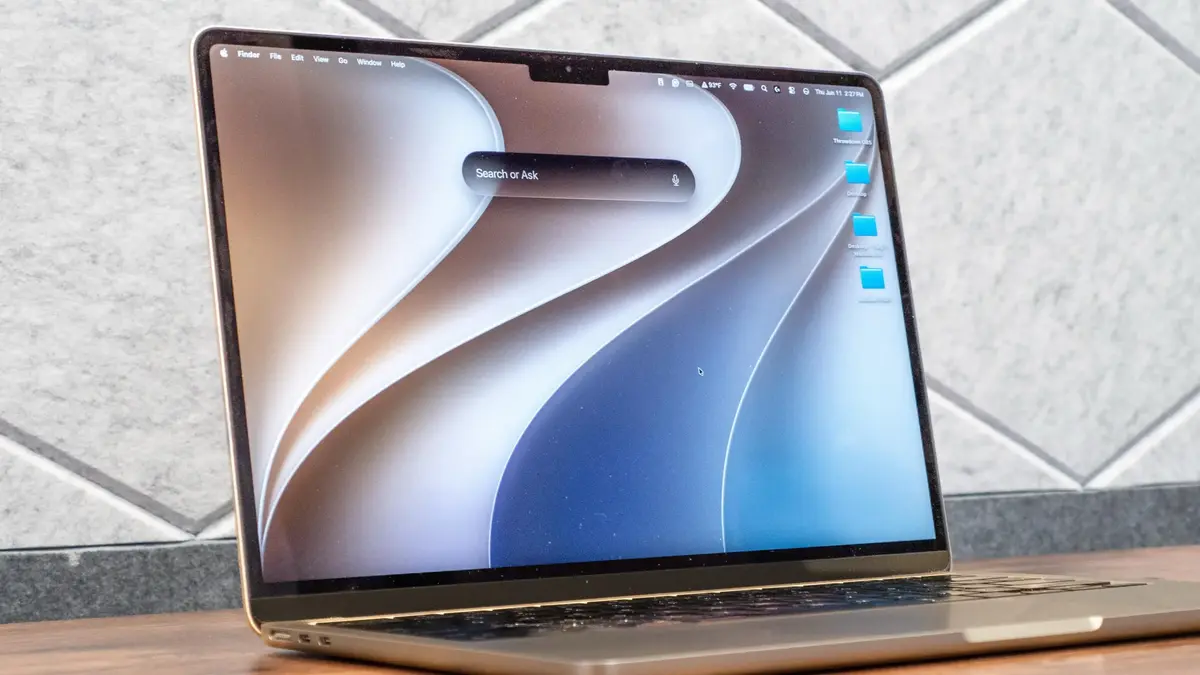 These OLED screens are expected to work in tandem with a more refined, thinner chassis, marking a departure from the current physical design language of the MacBook series.
Furthermore, Apple plans to replace the standard display notch with the Dynamic Island, a feature already familiar to iPhone users. This integration suggests that Apple is standardizing its interface elements across its ecosystem, offering a more functional space for notifications, live activities, and system alerts. Beyond the visual improvements, the transition to OLED technology is expected to boost overall energy efficiency, ensuring that the high-performance hardware remains sustainable for mobile use.
Hardware Specifications Drive Future Performance
Under the hood, these premium devices will be powered by the upcoming M5 Pro and M5 Max processors. These chips are engineered specifically to meet the demands of power users, such as video editors and software developers. While the standard MacBook Pro models are slated for an upgrade to M7 Pro and M7 Max chips next year, the OLED-equipped versions are positioned as a distinct, superior tier within the Apple catalog. 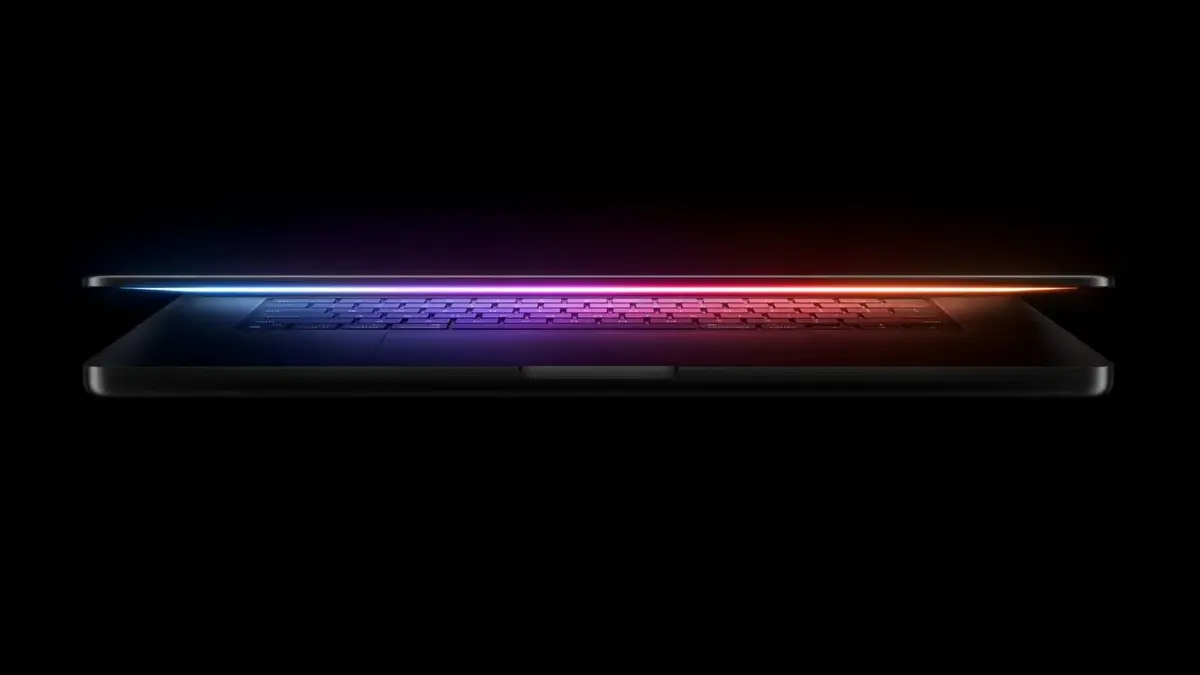 This clear product segmentation allows Apple to target different price points and user needs effectively.
Launch Timelines are Being Finalized
While previous reports suggested a potential launch in 2027, recent indications confirm that Apple is prioritizing a release before the end of 2026. The macOS 27.1 update, which acts as the software backbone for this new hardware, is scheduled for a general release by late October. By introducing these advanced models, Apple aims to maintain its dominance in the competitive laptop market, setting a new benchmark for display quality and hardware-software integration that competitors may struggle to match.
We are eager to hear your perspective on this development. Do you believe the inclusion of a touch-capable OLED screen on a professional MacBook Pro will meaningfully enhance your daily workflow, or do you prefer the traditional trackpad experience? Share your thoughts in the comments section below.
Your comment has been submitted,
it will be published after approval.