
TUSAŞ Clarifies Status of ATAK-2 Heavy Attack Helicopter Project

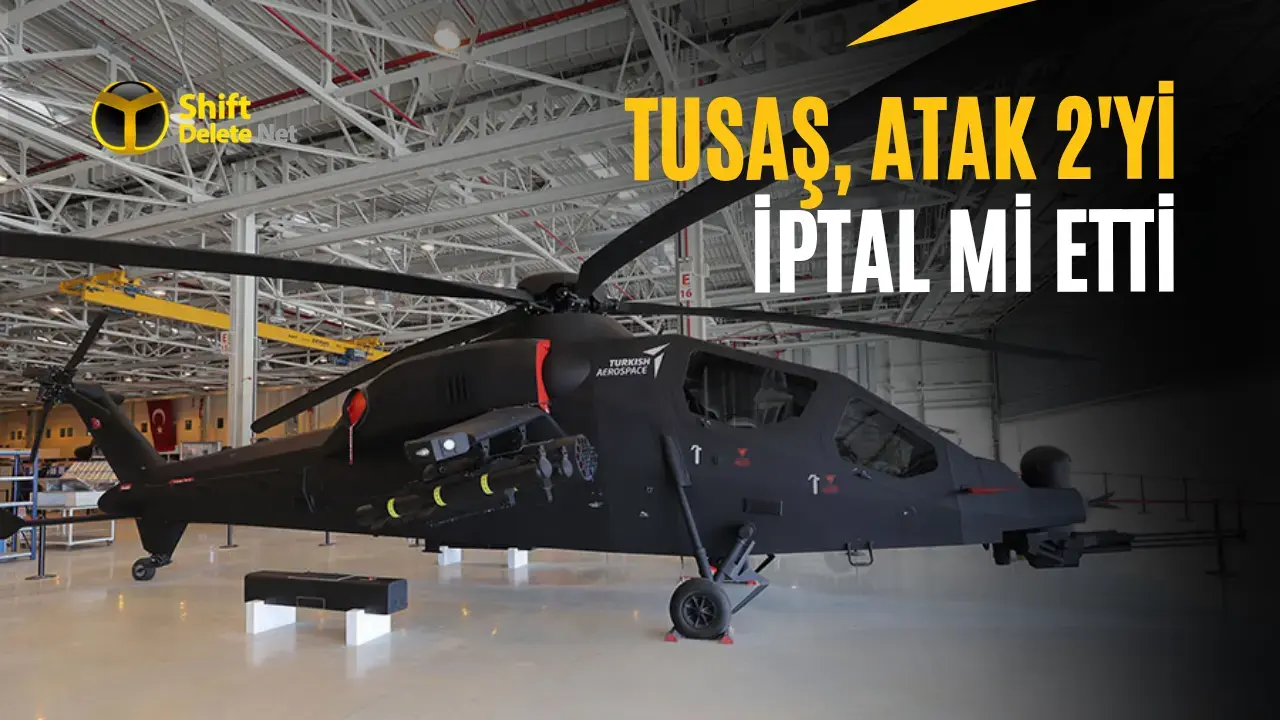
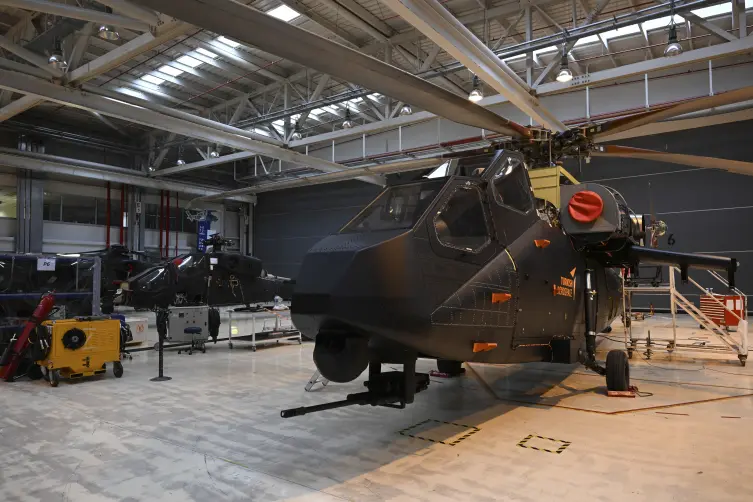
TUSAŞ (Turkish Aerospace Industries) has officially addressed recent speculation regarding the future of the ATAK-2 project, confirming that the heavy attack helicopter program has not been canceled or shelved. During a recent statement, TUSAŞ General Manager Mehmet Demiroğlu announced a strategic shift in project priorities, noting that the company is currently focusing its engineering resources on the 10-ton class T925 Utility Helicopter. This decision follows a comprehensive review of the Turkish Armed Forces’ operational requirements, which identified an urgent need for a versatile utility platform to replace aging fleets expected to be phased out between 2030 and 2040. While the ATAK-2 program has entered a temporary pause in its preliminary design phase, the initiative remains a vital component of Turkey’s long-term defense aviation strategy.
- TUSAŞ has prioritized the development of the T925 Utility Helicopter over the ATAK-2 project to meet urgent national security demands.
- The ATAK-2 project remains active but has entered a design re-evaluation phase to better suit evolving operational requirements.
- Approximately 60 percent of the technical infrastructure, including engines and avionics, is shared between the T925 and ATAK-2 platforms.
- The company expects to accelerate ATAK-2 development activities again after the initial T925 deliveries begin in 2028.
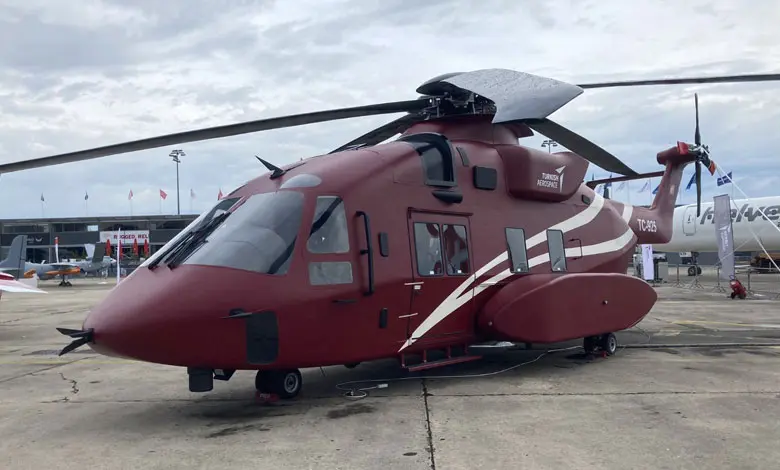
Priority Shifts Toward the T925 Utility Platform
The T925 utility helicopter is being designed to serve a broad spectrum of users, including the Turkish Air Force, Land Forces, Naval Forces, and Gendarmerie. While early units are earmarked for the General Directorate of Forestry for firefighting duties, TUSAŞ is simultaneously developing specialized military configurations. The company is currently working toward a maiden flight for the T925 scheduled for late 2026, with the goal of commencing serial production and deliveries by 2028. By focusing on this platform first, TUSAŞ aims to mitigate supply chain issues previously encountered in other programs like the T70.
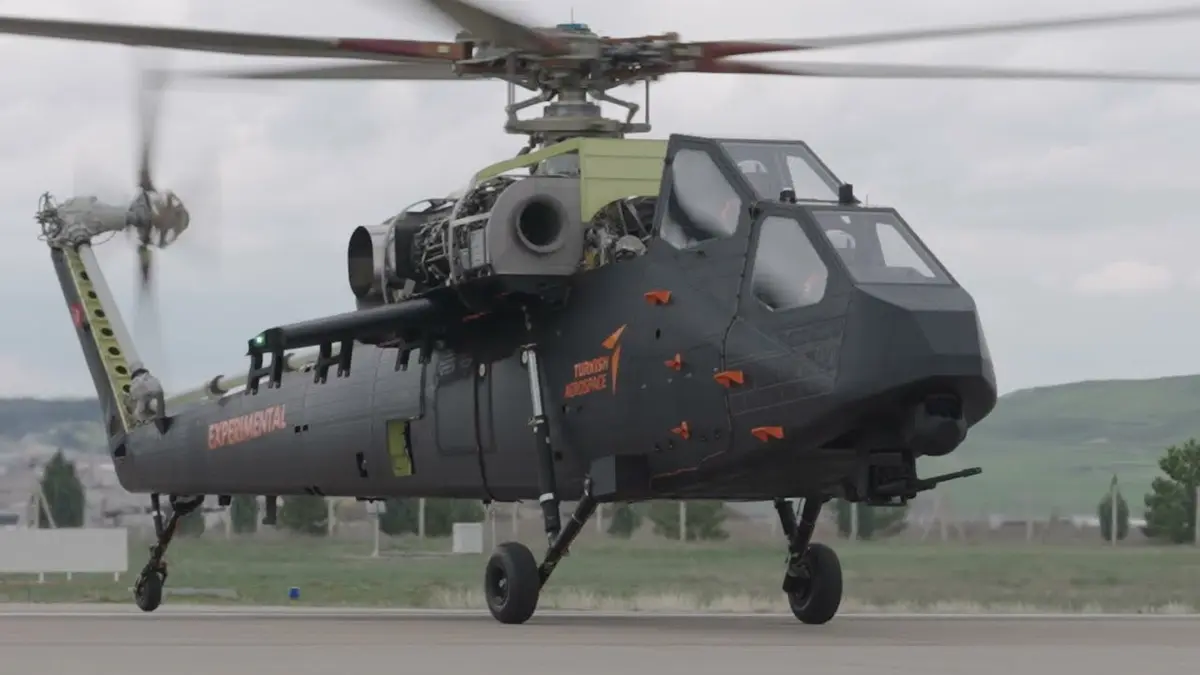
ATAK-2 Design Undergoes Strategic Revisions
The current pause in the ATAK-2 program serves a strategic purpose: enabling engineers to refine the design based on modern battlefield lessons. Demiroğlu indicated that the new ATAK-2 will feature enhanced capabilities, including a higher payload capacity and an extended operational range compared to the original concept. By incorporating feedback from the military, TUSAŞ aims to produce a more lethal and efficient platform that aligns with the future operational environment of the Turkish military.
Synergy Drives Technical Commonality
A significant advantage for TUSAŞ lies in the shared technical DNA between the two projects. Roughly 60 percent of the systems—including engines, transmissions, rotor blades, and avionics—are common to both the T925 and the ATAK-2. This modular approach significantly reduces development risks and costs. Technologies successfully matured for the T925 will be directly integrated into the ATAK-2 program, ensuring that progress on one platform accelerates the other.
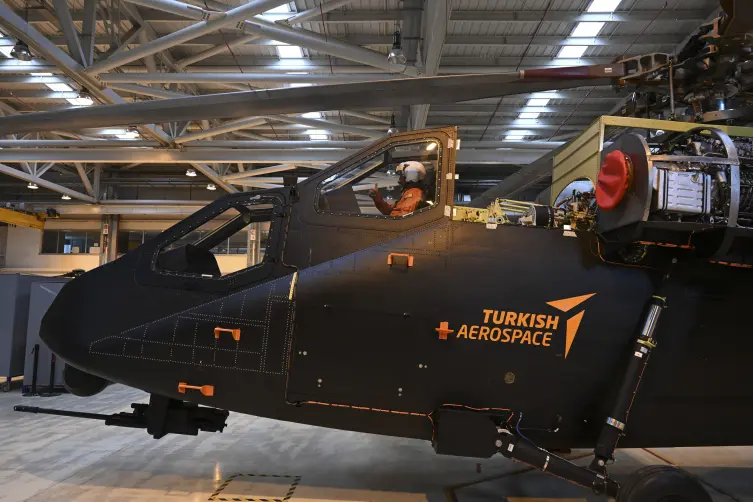
Advanced Capabilities Define the New Target
The updated vision for the ATAK-2 focuses on surpassing the capabilities of the current T129 ATAK. The next-generation heavy attack helicopter is expected to carry significantly more munitions and operate at greater distances. By utilizing shared subsystems from the T925 project, TUSAŞ is optimizing its manufacturing infrastructure and reducing long-term maintenance logistics for the Turkish Armed Forces.
Development Schedules Gain New Momentum
Looking ahead, TUSAŞ plans to shift its focus back to the ATAK-2 once the T925 reaches maturity. The period between 2028 and 2029 is identified as the window for restarting full-scale development for the heavy attack helicopter. By then, the technical maturity gained from the T925 project will have provided a robust foundation for the ATAK-2. This phased approach ensures that Turkey maintains a steady technological advancement in the aviation sector without compromising on immediate utility requirements.
How do you evaluate the strategic decision to prioritize the T925 utility helicopter over the ATAK-2 development? We look forward to reading your thoughts on the future of Turkey’s domestic aerospace projects in the comments section below.
Your comment has been submitted,
it will be published after approval.