
US Space Force Awards $161 Million for Nuclear Reactor Development

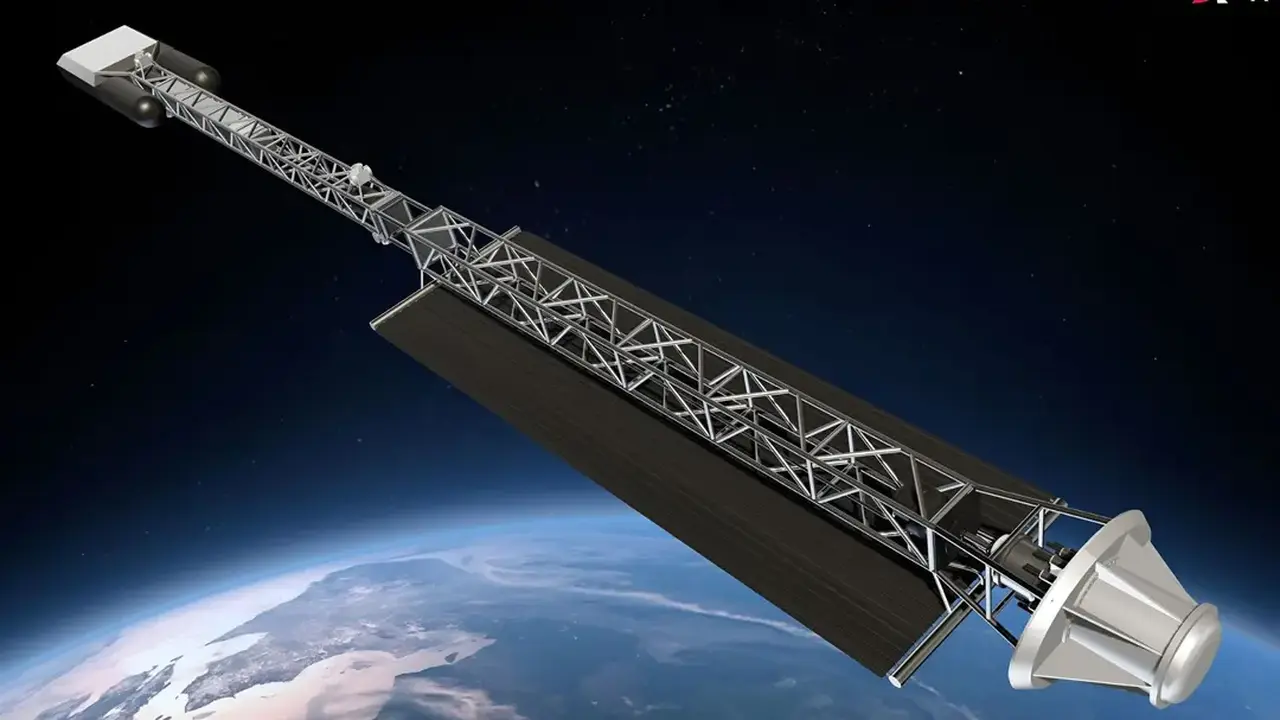
The United States Space Force has officially reignited its pursuit of space-based nuclear capabilities by awarding a $161 million Strategic Breakthrough contract to Antares Nuclear. This initiative tasks the company with developing and testing the R1-S microreactor, a system designed to operate in the challenging environment of outer space. This move marks the first significant attempt by the U.S. to deploy a nuclear fission reactor into orbit since the historic SNAP-10A mission in 1965. By leveraging existing microreactor technology, the project aims to establish a reliable, high-power energy infrastructure essential for the next generation of advanced military satellite operations.
- The U.S. Space Force provided a $161 million contract to Antares Nuclear for the development of space-rated R1-S microreactors.
- The project seeks to surpass the limitations of solar power by providing consistent, high-output energy for advanced military space assets.
- Antares Nuclear successfully achieved zero-power criticality with its terrestrial Mark-0 reactor design in June 2026.
- The program targets a shift toward robust, high-performance power systems required for future electronic warfare and directed-energy weapons in orbit.
The Initial Phase Involves Terrestrial Testing
The development roadmap for the R1-S begins with a comprehensive ground-based demonstration. Instead of engineering a completely new system from scratch, Antares is adapting its proven R1 microreactor architecture, which utilizes TRISO fuel and sophisticated heat pipe technology to manage thermal output. This strategy allows the company to capitalize on existing production infrastructure, significantly shortening the development cycle for space-hardened power systems.
Spacecraft Integration Follows Ground Validation
Once terrestrial benchmarks are met, the R1-S will transition into a spacecraft integration phase. During this stage, engineers will evaluate the reactor’s resilience against the harsh vibrations of launch and the extreme conditions of the vacuum of space. While the specific launch vehicle and mission timeline remain undisclosed, the current contract serves as a foundational step toward flight certification and eventual deployment.
Military Needs Drive the Nuclear Shift
The strategic move toward nuclear energy is fueled by the growing power demands of modern military satellites. Traditional solar panels and chemical batteries often struggle to support the heavy energy requirements of high-performance computing, advanced sensor suites, electronic warfare systems, and directed-energy weapons. Nuclear reactors offer a distinct advantage by providing continuous, high-wattage power regardless of solar exposure. This ensures that satellites remain operational and agile, maintaining the capacity for frequent, long-duration maneuvers that would otherwise deplete limited energy reserves.
Antares Demonstrates Technical Progress
The recent contract award follows a series of technical milestones for the company. On June 4, 2026, the Mark-0 microreactor achieved critical status at the Idaho National Laboratory, making Antares the first firm to accomplish this feat under the U.S. Department of Energy’s Reactor Pilot Program. Looking ahead, the company is preparing for a six-month operational test of its Mark-1 system in 2027, which will focus on converting thermal energy into electrical power for various applications.
Washington Plans a Competitive Space Strategy
The U.S. government views nuclear integration as a critical component of its broader space strategy. Beyond the immediate Antares project, official goals include the deployment of nuclear reactors in orbit by 2028 and the establishment of nuclear power systems on the lunar surface by 2030. These efforts signify a major transition toward a new era of space infrastructure where nuclear fission serves as the primary engine for technological dominance.
How do you feel about the return of nuclear energy to space exploration and its impact on future military operations? Share your thoughts in the comments section below.
Your comment has been submitted,
it will be published after approval.