
AI-Powered Optimization Boosts Resident Evil 7 Performance on Smartphones

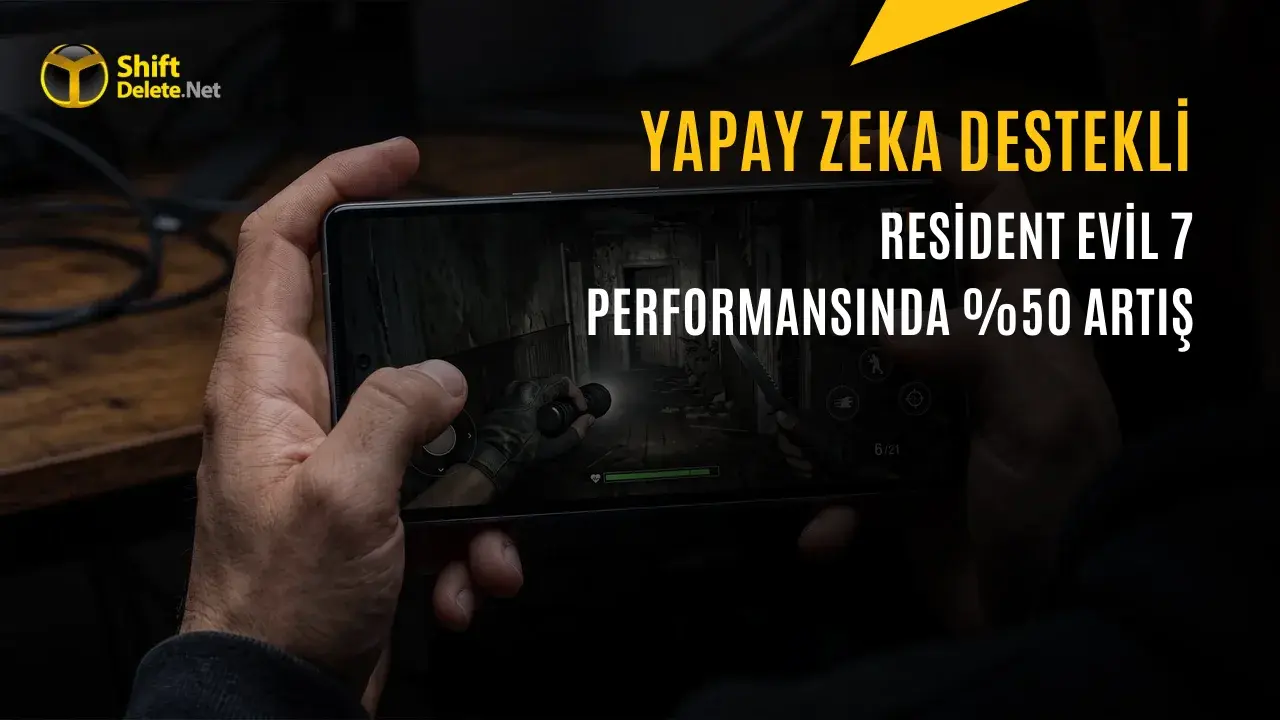
In a significant breakthrough for mobile gaming technology, a developer known as @4k_isn has successfully optimized Resident Evil 7 to run with 50% higher performance on a mid-range smartphone. Utilizing a device equipped with the Snapdragon 8 Gen 2 processor, the enthusiast leveraged advanced AI tools, specifically DeepSeek-V4.1-Flash and Hermes, to overcome hardware limitations that previously hindered the game’s stability. By implementing sophisticated software adjustments, the project demonstrates how modern AI-driven optimization can bypass traditional hardware bottlenecks, allowing high-fidelity titles to run smoothly on mobile devices without requiring expensive hardware upgrades.
- The optimization process reduced the game’s file size from 25GB to 13GB through texture compression and the removal of non-essential assets.
- Artificial intelligence tools were employed to upscale the resolution from 720p to 1200p while maintaining stable frame rates.
- The project achieved a consistent 30 FPS performance while simultaneously lowering power consumption to 5-6 watts.
Technical Hurdles are Resolved Through AI Intervention
The initial testing phase on the OnePlus 12R revealed that Resident Evil 7 struggled to maintain a stable frame rate, often hovering around 20 FPS. Upon connecting the device to a computer for debugging, the developer identified critical bottlenecks related to I/O operations and memory bandwidth. To address these issues, the Hermes agent was tasked with monitoring the game’s performance in real-time and applying necessary configuration changes.
A primary strategy involved compressing the game’s textures from a 4,096-pixel resolution down to 1,024 and 512, which significantly reduced the memory footprint. Furthermore, by stripping away extraneous data like unused costume files and non-essential audio tracks, the developer managed to shrink the total installation size by nearly 50%. This drastic reduction in storage requirements allowed for more efficient data handling during gameplay.
Visual Quality is Maintained via Super Resolution
Despite the aggressive compression techniques, the game’s visual fidelity remained surprisingly high. To prevent the expected loss of detail, the developer utilized Snapdragon Game Super Resolution (SGSR) technology. This AI-powered upscaling method effectively transformed the internal 720p rendering into a crisp 1200p output. As a result, the game not only became more responsive but also looked superior to existing official ports on other mobile platforms.
Thermal management also saw a substantial improvement. By optimizing the workload, the device’s power draw was restricted to just 5-6 watts. This reduction prevented the common issue of thermal throttling, where processors slow down to combat excessive heat. Even while recording the screen, the device maintained a steady 30 FPS, proving that software-level efficiency can unlock latent potential in mobile hardware.
Future Potential for Mobile Gaming is Expanded
The success of this experiment underscores a shifting paradigm in mobile gaming, where software optimization is becoming as vital as raw processing power. By using intelligent agents to automate complex tweaks, developers and enthusiasts can breathe new life into older or mid-range hardware. This development signals a promising future for emulators and high-end gaming on mobile devices.
Does this AI-driven approach to game optimization change your perspective on the future of mobile gaming, or do you believe hardware specifications will always remain the most critical factor? Share your thoughts and technical insights in the comments section below.
Your comment has been submitted,
it will be published after approval.