
EU Bans Social Media Access for Children Under 13

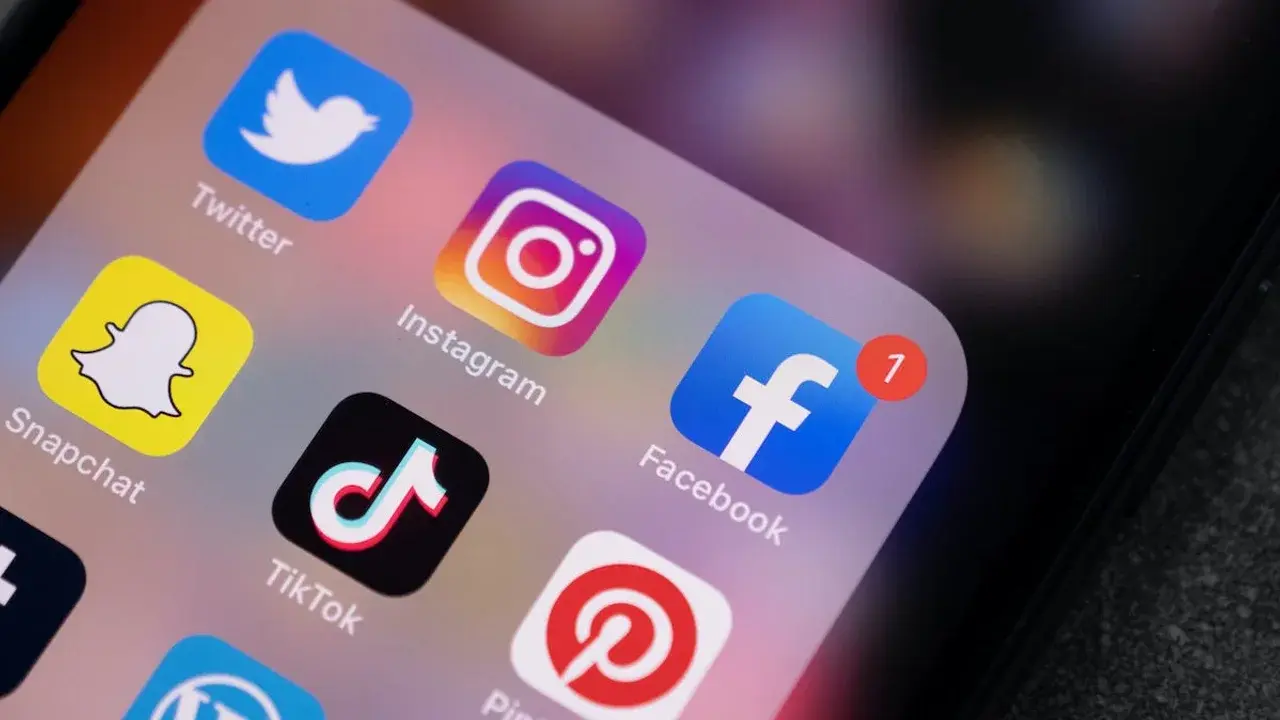
The European Commission, led by President Ursula von der Leyen, recently announced a significant regulatory shift by banning social media access for children under the age of 13 across the European Union. This radical measure aims to safeguard the mental and physical well-being of minors from the growing risks associated with digital platforms. Under the new rules, children under 15 are also prohibited from opening individual accounts without oversight. The decision comes as a response to alarming data regarding screen time and its impact on the developmental stages of European youth, marking a new era in digital rights.
- For children under 13, individual social media access is what the EU forbids.
- For those under 15, independent account creation is what the law restricts.
- Excessive screen time is where mental health risks begin.
- For digital access, parental or teacher supervision is what the regulation mandates.
Digital Risks for Children Continue to Grow
The European Union is addressing a growing crisis regarding the digital habits of its youngest citizens. Recent studies have highlighted the profound dangers children face when navigating social media platforms without restriction. Data collected across the continent indicates that children spend an average of four to six hours every day in front of screens. This excessive usage is not merely a matter of lost time; it has significant physiological and psychological consequences.
Research suggests that approximately 60 percent of children experience irregular sleep patterns, a lack of focus, and serious social-emotional development disorders due to their online activities. Experts have warned that these platforms are designed in ways that can directly increase levels of anxiety and depression among vulnerable age groups. The move to restrict access is seen as a necessary intervention to halt these negative trends and protect the future of the younger generation.
Ursula von der Leyen Highlights How Children are Protected
Ursula von der Leyen has been a vocal advocate for these changes, emphasizing that the issue extends beyond simple access. [image_1] She noted that the timing and extent of digital exposure are critical factors in a child’s growth. The European Commission President argues that the digital benefits of the modern age must be filtered to align with the specific developmental stages of children.
By implementing these restrictions, the EU aims to create a safer environment where the psychological well-being of the youth is prioritized over the engagement metrics of tech companies. This approach suggests that the era of unregulated digital access for minors is coming to an end as the Union seeks to redefine digital rights for the next generation. The focus remains on ensuring that technology serves humanity rather than compromising the health of the youth through addictive algorithms.
New Regulations Ensure That Parents Supervise
Under the framework of the new legislation, children under the age of 13 will only be permitted to access social media if a parent or teacher provides direct oversight. This measure is intended to eliminate individual account ownership for younger children, thereby preventing them from encountering unmoderated content or predatory algorithms. Furthermore, the European Union is currently debating additional protective measures for teenagers between the ages of 13 and 18 to ensure their data is handled with extra care.
This proactive stance forces technology giants to reconsider their business models, which often rely on capturing the attention and data of young users. As these platforms are compelled to adapt to the new legal landscape, the responsibility of parents also increases, requiring them to be more involved in ensuring their children do not become detached from the real world. The ultimate goal is to restore a balance between the digital and physical lives of European children, fostering a healthier environment where children can flourish without the pressures of the online world.
What do you think about the EU’s decision to ban social media for children under 13? Are these restrictions sufficient to protect children in the digital age, or should more comprehensive measures be implemented? Share your thoughts and join the discussion below.
Your comment has been submitted,
it will be published after approval.