
US Approves Potential $24.3 Billion F-35 Sale to Saudi Arabia

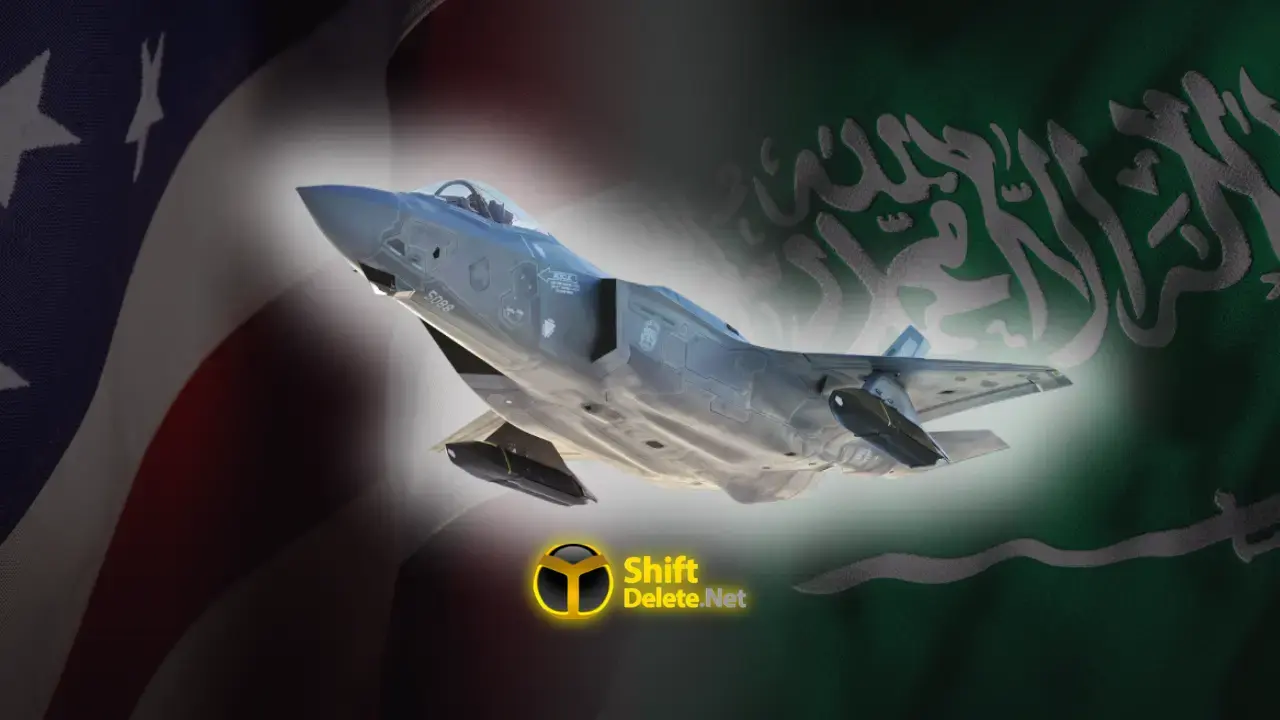
The United States government has officially approved a significant $24.3 billion defense package for Saudi Arabia, which includes the procurement of 48 F-35 Lightning II fighter jets. This major military deal, announced recently, encompasses not only the advanced aircraft but also critical logistical support, specialized training, and sophisticated electronic systems. By authorizing this potential sale, the U.S. State Department aims to bolster regional security while emphasizing that the transfer will not disrupt the existing military balance in the Middle East. Lockheed Martin and Pratt & Whitney have been identified as the primary contractors tasked with fulfilling this massive order for the Saudi kingdom.
- The proposed $24.3 billion deal includes 48 F-35 Lightning II jets and 49 Pratt & Whitney F135-PW-100 engines.
- The U.S. Congress now has a 30-day review period to evaluate and potentially challenge the proposed defense sale.
- Intelligence officials have expressed concerns regarding the potential for China to access sensitive F-35 technology through Saudi facilities.
- Saudi Arabia seeks to modernize its air force by integrating fifth-generation fighter jet capabilities into its national defense network.
Congressional Review Process Must Conclude
Although the State Department has signaled its approval, the F-35 deal is not yet finalized. The sale remains subject to a mandatory 30-day legislative review period in the U.S. Congress. During this timeframe, lawmakers will scrutinize the details of the agreement to ensure it aligns with national security interests and foreign policy objectives. Only after this administrative hurdle is cleared can the Pentagon proceed with the next steps of the procurement and manufacturing process.
Security Concerns Involving China Persist
A primary point of contention surrounding the sale involves the growing military and technological relationship between Saudi Arabia and China. According to reports from the U.S. defense intelligence community, there are significant fears that Beijing could gain unauthorized access to classified F-35 radar and surveillance technologies. These concerns stem from China’s existing presence in Saudi telecommunications infrastructure and its access to certain military installations within the country.
To mitigate these risks, U.S. officials are proposing strict security protocols. These measures would likely mandate that access to sensitive F-35 facilities be restricted exclusively to verified U.S. personnel and authorized contractors. Protecting the technological integrity of the fifth-generation platform remains a top priority for American defense planners as they navigate this complex geopolitical transaction.
Saudi Arabia Aims to Build a Modern Fleet
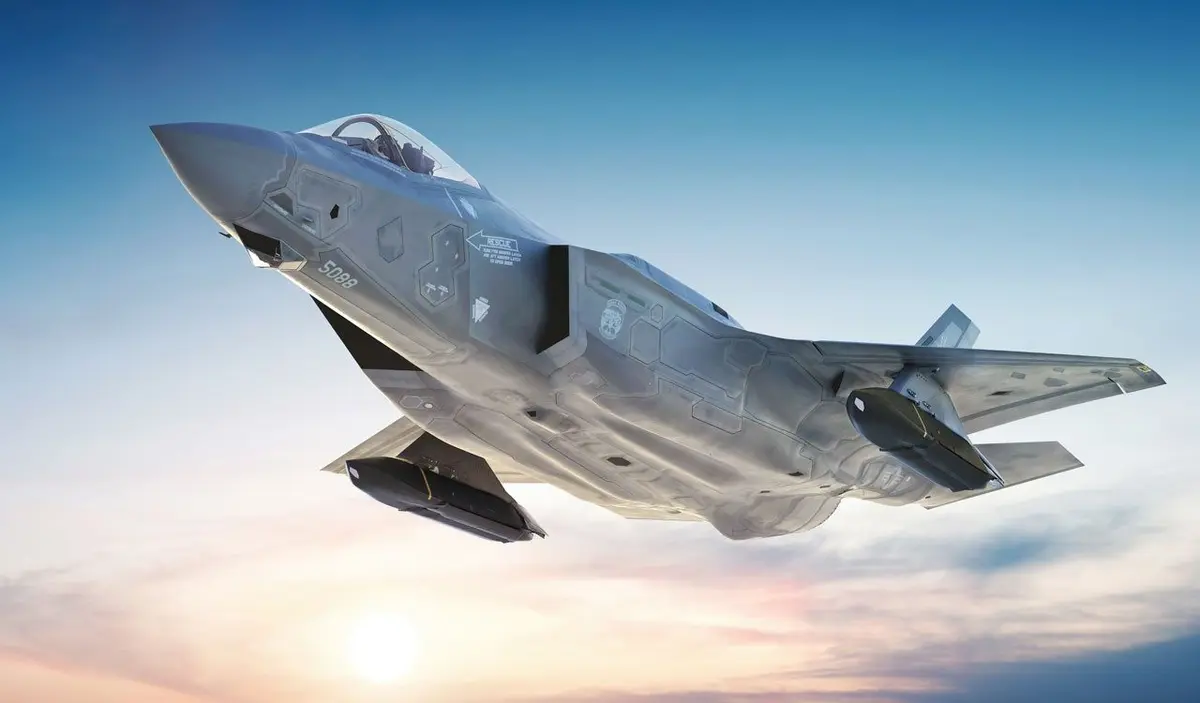
If the transaction successfully passes through the congressional review phase, Saudi Arabia will join an elite group of nations operating the F-35 Lightning II. Acquiring these jets would grant the Royal Saudi Air Force unprecedented stealth capabilities, advanced sensor fusion, and high-level data networking options. Unlike traditional fighter aircraft, the F-35 is designed to function as a central node in a larger combat system, allowing for superior situational awareness on the battlefield.
However, analysts note that the operational deployment of these jets is still a distant prospect. Beyond the political hurdles, the Kingdom faces extensive requirements regarding infrastructure development, pilot training, and the establishment of complex maintenance networks. Integrating such a high-tech platform into an existing air force requires years of preparation and continuous logistical coordination with American partners.
Given the strategic implications of this major defense deal, what are your thoughts on the impact of F-35 technology transfers to the Middle East? Share your perspectives on the regional balance of power in the comments section below.
Your comment has been submitted,
it will be published after approval.