
Turkey Initiates Preparations for TÜRKSAT 7A Satellite Project

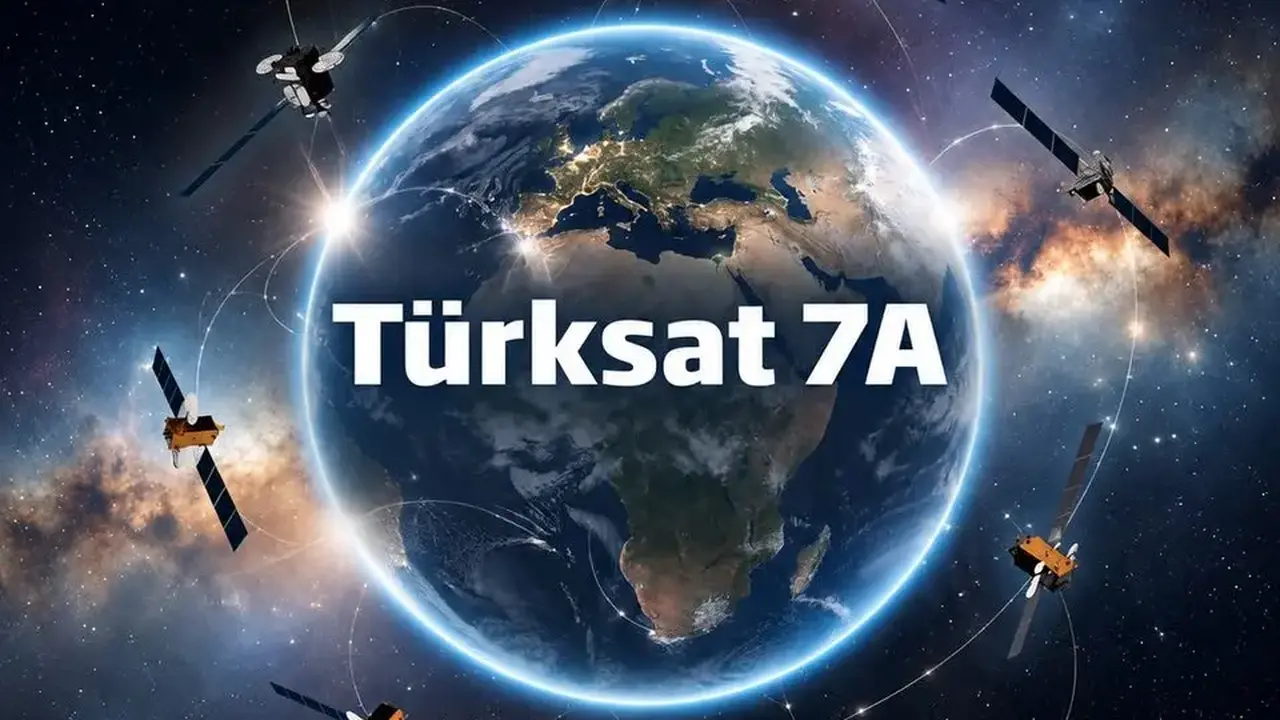
Turkey is advancing its domestic space program as TÜRKSAT General Manager Deputy Mehmet Sarı announced that preparations for the TÜRKSAT 7A satellite project have reached the final stage. Speaking at the 11th TÜRKSAT Model Satellite Competition in Aksaray, Sarı confirmed that official agreements for the production phase are nearing completion. This project aims to build upon the strategic successes of previous missions, specifically following the launch of the TÜRKSAT 6A satellite. By integrating advanced indigenous technologies, the TÜRKSAT 7A project represents a significant leap forward in Turkey’s objective to solidify its presence in global satellite communication and space technology sectors.
- Turkey plans to commence the manufacturing process for the TÜRKSAT 7A satellite within the 2026 calendar year.
- The new satellite project will incorporate advanced artificial intelligence technologies to process data on the ground.
- Government officials target the official launch and operational deployment of TÜRKSAT 7A for the year 2030.
- The project aims to significantly expand the capacity of Turkey’s national satellite communication fleet.
The Legacy of TÜRKSAT 6A Informs Future Designs
The development of TÜRKSAT 7A serves as a direct extension of the engineering expertise gained during the construction of TÜRKSAT 6A, which was Turkey’s first domestically produced communication satellite. By leveraging the technical knowledge acquired from its predecessor, engineers are now refining specifications for the 7A model. The procurement and requirements documentation have already been finalized, ensuring a structured transition into the production phase by the second half of 2026.
Technical leaders have emphasized that TÜRKSAT 7A will not be a mere replicate of previous models. Instead, it will feature sophisticated systems designed to handle data processing via artificial intelligence. This integration is expected to optimize communication efficiency and provide more robust services across the region once the satellite is launched into orbit.
National Objectives Drive Satellite Capabilities Forward
Transport and Infrastructure Minister Abdulkadir Uraloğlu has previously underscored the national importance of this project, confirming that the target launch date is set for 2030. The entire lifecycle of the satellite, from design and engineering to production and testing, is being handled by domestic firms under the umbrella of the Turkish space industry. This emphasis on local manufacturing is intended to reduce dependency on foreign technology and foster a self-sustaining ecosystem for aerospace development.
The expansion of the satellite fleet remains a primary goal for the state. By increasing the available bandwidth and communication throughput, Turkey aims to better serve its growing digital infrastructure needs. Furthermore, the commitment to utilizing indigenous facilities ensures that the country retains full control over its telecommunications security and strategic assets.
Future Generations Support Aerospace Growth
Beyond the technical specifications of the satellite, the broader scope of the TÜRKSAT 7A program includes long-term human capital investment. Mehmet Sarı highlighted that events like the Model Satellite Competition are essential for grooming the next generation of engineers and space technology experts. These initiatives provide practical experience for students, bridging the gap between theoretical education and real-world aerospace applications. By fostering this talent pool, the industry expects to spawn innovative private companies that will further accelerate Turkey’s progress in the global space race.
We would love to hear your thoughts on Turkey’s rapid advancements in space technology and what you think this satellite will mean for our future communication infrastructure; please share your comments with us below.
Your comment has been submitted,
it will be published after approval.