
How Technology Use in the Construction Sector Transforms Operations

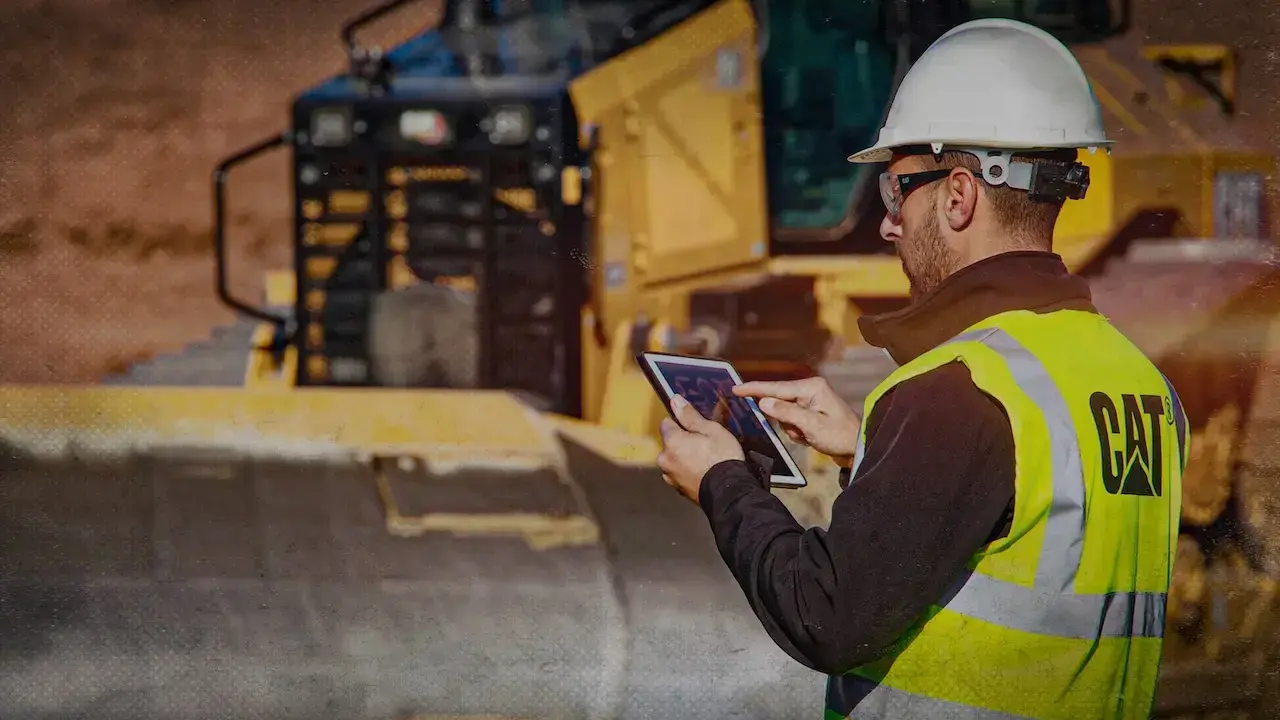
The construction sector, once defined primarily by manual labor and mechanical expertise, is undergoing a profound digital transformation across global job sites. In recent years, the integration of advanced sensors, telematics, and cloud-based software has fundamentally altered daily operations, moving the industry toward a data-driven model. This shift, which is now prevalent in both large-scale infrastructure projects and smaller site operations, enables managers to track machine performance, optimize maintenance schedules, and monitor equipment locations in real-time. As digital tools become standard, construction sites are evolving into interconnected ecosystems where data collection enhances operational efficiency and decision-making capabilities.
- Integrated telematics systems provide real-time data on engine status, fuel consumption, and operational location.
- Digital tracking allows for precise analysis of equipment idle times and actual usage rates compared to project requirements.
- Cloud-based fleet management platforms centralize diagnostic information to facilitate proactive maintenance scheduling.
Heavy Machinery Incorporates Advanced Electronic Systems
Modern construction equipment has transitioned from purely mechanical tools to sophisticated machines equipped with electronic control systems. By utilizing telematics, these machines transmit vital operational data to remote management centers. This capability is particularly advantageous for companies managing multiple job sites simultaneously, as it eliminates the need for physical presence to verify machine performance.
Data Tracking Optimizes Site Productivity
The presence of machinery on a job site does not guarantee peak efficiency. Traditional methods often failed to capture why equipment remained idle or underutilized. Modern digital systems allow project managers to analyze excavator and bulldozer activity patterns in detail. By distinguishing between active operating hours and idle periods, companies can reallocate resources to ensure that every asset contributes effectively to the project’s bottom line.
Maintenance Processes Become Fully Digitalized
Maintaining a fleet is critical for operational longevity and project continuity. While maintenance was historically reactive or based on rigid calendars, connected systems now allow for condition-based servicing. By monitoring error codes and total operating hours remotely, technical teams can diagnose issues before a physical inspection is even required, significantly reducing downtime and repair costs.
Excavator Management Strategies Evolve Rapidly
Excavators serve as a primary focal point for this digital transition due to their versatile roles in excavation and loading. When selecting equipment, contractors no longer rely solely on physical specifications like bucket capacity or weight. Instead, digital tracking capabilities have become essential criteria, as they provide insights into how specific models perform under various project conditions. This allows for more strategic equipment procurement and site deployment.
Fleet Management Software Centralizes Complex Data
As the volume of generated data increases, the need for unified management platforms becomes apparent. Advanced fleet management software consolidates performance data from various manufacturers into a single interface. This centralized view allows managers to compare equipment usage across different geographic locations, providing a holistic perspective on the company’s assets.
Human Expertise Remains Essential for Success
Despite the rise of automation, technology functions primarily as a support tool rather than a replacement for human judgment. While systems can identify inefficiencies, such as excessive idling, the interpretation of these data points requires experienced professionals to determine the appropriate operational adjustments. The future of the industry lies in the synergy between advanced data analytics and the nuanced decision-making of field crews.
We would love to hear your perspective on this digital shift; how has the adoption of smart technology changed the way your team manages construction projects? Please share your experiences and insights in the comments section below.
Your comment has been submitted,
it will be published after approval.