
Bayraktar TB2 Demonstrates Advanced Electronic Warfare and Radar Capabilities

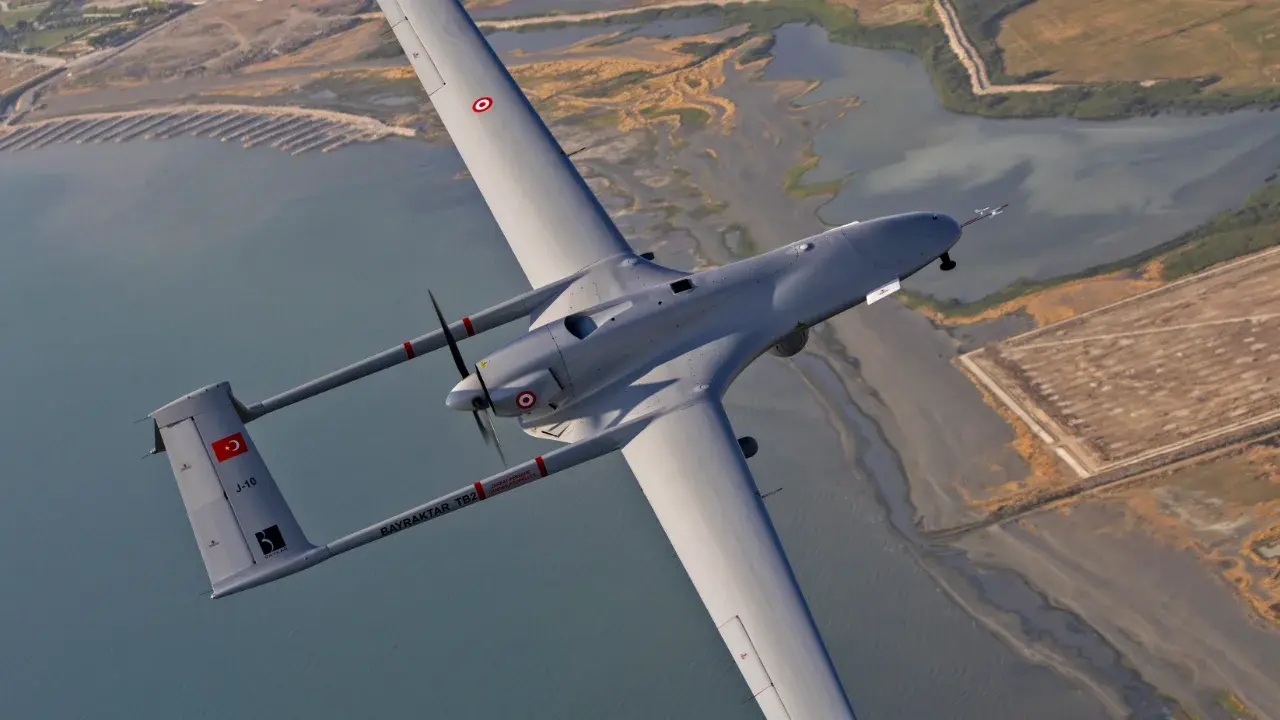
In a significant demonstration held in Konya, Turkey, the Bayraktar TB2 Unmanned Combat Aerial Vehicle (UCAV) successfully showcased its enhanced electronic warfare and radar capabilities before military delegations from 18 nations. By integrating domestic ANTIDOT electronic support and jamming pods alongside the FULMAR 200 Synthetic Aperture Radar (SAR), the platform executed a coordinated operational scenario against live radar threats. This exercise, which verified the seamless synergy between detection, neutralization, and high-resolution imaging, marks a pivotal advancement for the Bayraktar TB2, proving that tactical drones can now serve as sophisticated electronic warfare assets in modern combat theaters.
- The Bayraktar TB2 successfully utilized the ANTIDOT and FULMAR systems to neutralize active radar threats during a live international demonstration.
- The integration of these pods transforms tactical UCAVs into comprehensive electronic warfare and reconnaissance platforms.
- The FULMAR 200 radar provides high-resolution imagery regardless of adverse weather conditions or visibility constraints.
Electronic Warfare Capabilities Are Expanded Through New Pods
The demonstration featured two distinct Bayraktar TB2 platforms working in tandem to illustrate a complex mission profile. The first drone was equipped with the ANTIDOT 2ES 100 Electronic Support and ANTIDOT 2EA 200 Electronic Warfare pods, while the second carried the FULMAR 200 SAR sensor. This configuration allowed the units to operate as a single, lethal chain of custody, starting from initial threat identification through to complete target suppression.
During the opening phase, the ANTIDOT system identified the exact coordinates of a simulated hostile air defense radar. By processing these signals in real-time, the UCAV initiated an electronic attack that effectively blinded the opposing radar system. This allowed the Bayraktar TB2 to navigate toward the target area undetected, showcasing a high level of stealth and survivability in contested environments.
Tactical Intelligence Is Enhanced Through Data Integration
Once the threat was neutralized, the mission shifted to high-precision reconnaissance. The ANTIDOT pod transmitted the target’s precise geographic data to the second drone via a secure tactical data link. The FULMAR 200 radar then generated a high-definition SAR image of the target, providing millimetric accuracy for intelligence purposes. This inter-platform communication ensures that the system remains operational even in the most challenging weather conditions where traditional optical sensors might fail.
Technical Specifications Are Optimized for Performance
The technical integration of these systems highlights a shift in design philosophy for tactical drones. The ANTIDOT 2ES 100 serves as the primary Electronic Support measure, capable of recording and analyzing signals instantaneously. Complementing this, the ANTIDOT 2EA 200 provides the necessary electronic attack capability with a compact, power-efficient architecture that does not compromise the flight endurance of the UCAV.
The FULMAR 200 SAR pod utilizes advanced AESA architecture, offering both Spotlight and Stripmap modes. By mounting this system under the wing or on the fuselage, the TB2 now possesses a comprehensive reconnaissance layer that acts as a force multiplier for standard electro-optical sensors. These developments effectively evolve the tactical UCAV from a strike-only platform into a multi-role powerhouse.
Operational Concepts Are Redefined for Future Warfare
This successful test in Konya proves that tactical drones are no longer limited to basic intelligence or kinetic strikes. The ability to perform simultaneous radar jamming and high-resolution imaging demonstrates a multi-layered operational concept that is essential for modern air superiority. As these systems move toward wider deployment, the international defense community continues to monitor the evolving capabilities of the Bayraktar TB2 platform closely.
Given the rapid evolution of electronic warfare technology, how do you see the integration of these advanced pods changing the future of drone-based tactical operations? Please share your thoughts and expert insights in the comments section below.
Your comment has been submitted,
it will be published after approval.