
Turkey’s Newest Warship TCG İZMİT Begins Sea Acceptance Trials

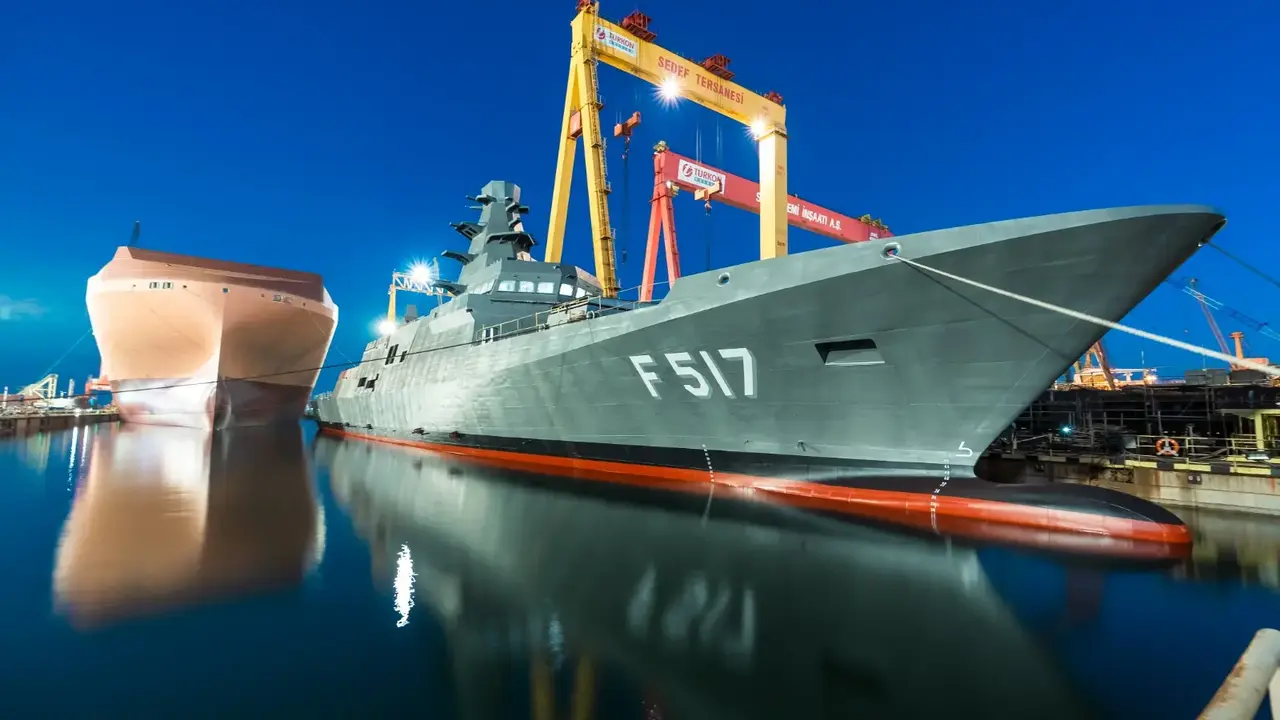
Turkey has reached a significant milestone in its MİLGEM project as the TCG İZMİT (F-517), the third vessel in the İSTİF-class frigate series, officially commenced its Sea Acceptance Trials on September 15, 2026. According to an announcement from the Turkish Ministry of National Defense, these critical sea-bound evaluations mark the final phase of development before the warship is commissioned into the Turkish Naval Forces. Constructed at the Sedef Shipyard as part of the MİLGEM 6-12 procurement project, the İZMİT represents the ongoing expansion of the nation’s indigenous naval capabilities, showcasing Turkey’s growing prowess in domestic defense manufacturing and advanced maritime engineering.
- The TCG İZMİT officially started its critical Sea Acceptance Trials on September 15, 2026.
- Turkey aims to integrate three new İSTİF-class frigates into its naval inventory by the end of 2026.
- The naval program includes plans to export two frigates to Indonesia while simultaneously producing replacement vessels.
- These frigates feature advanced vertical launch systems that enable the use of long-range cruise missiles.
The Navy Conducts Rigorous Performance Evaluations
Sea Acceptance Trials serve as the most comprehensive evaluation phase for any modern warship, ensuring that all platform systems meet strict military operational requirements. During this testing period, the vessel’s propulsion, navigation, and weapon systems are subjected to real-world maritime conditions to verify that performance metrics align with design specifications. The initiation of these tests for the İZMİT follows a similar milestone for the F-516 İZMİR, which began its own trials on August 10, 2026. This parallel testing schedule demonstrates an accelerated industrial pace, allowing the Turkish Navy to integrate multiple advanced frigates into its fleet within a very short timeframe.
The Production Timeline Speeds Up
The strategic objective remains to have three İSTİF-class frigates fully operational within the Turkish inventory by the conclusion of 2026. This series builds upon the success of the TCG İSTANBUL (F-515), which was the first of its class to join the fleet in early 2024. Currently, the construction of seven frigates is proceeding simultaneously under the TAİS Joint Venture. Unlike the initial TCG İSTANBUL, these newer iterations are equipped with upgraded vertical launch systems, significantly increasing the fleet’s lethality through the integration of indigenous cruise missiles.
The Warship Possesses Advanced Tactical Features
As an evolution of the ADA-class corvettes, the İSTİF-class frigates are designed to handle multifaceted maritime challenges. With a length of 113.2 meters and a displacement of 3,150 tons, these vessels are engineered for high-end versatility. They can achieve speeds exceeding 29 knots and maintain a range of 5,700 nautical miles at cruising speed. The onboard systems are tailored for air defense warfare, surface combat, anti-submarine operations, and comprehensive maritime surveillance. Furthermore, the inclusion of sophisticated electronic warfare and self-defense suites ensures that these ships remain effective against modern threats.
Global Interest Grows for Turkish Naval Technology
Beyond meeting domestic requirements, the İSTİF-class program has garnered international attention, highlighting the competitiveness of the Turkish defense industry. The current plan includes the export of two units to Indonesia, which will be balanced by the construction of additional vessels for the Turkish Navy. As the İZMİT completes its final tests, the successful delivery of these platforms will further solidify Turkey’s position as a prominent naval exporter in the global defense market.
How do you evaluate the advancements in Turkey’s domestic naval shipbuilding industry and its impact on regional maritime security? Share your thoughts on the progress of the İSTİF-class frigate program in the comments section below.
Your comment has been submitted,
it will be published after approval.