
Xiaomi XRING 03 Chipset Revolutionizes Windows Game Emulation on Mobile

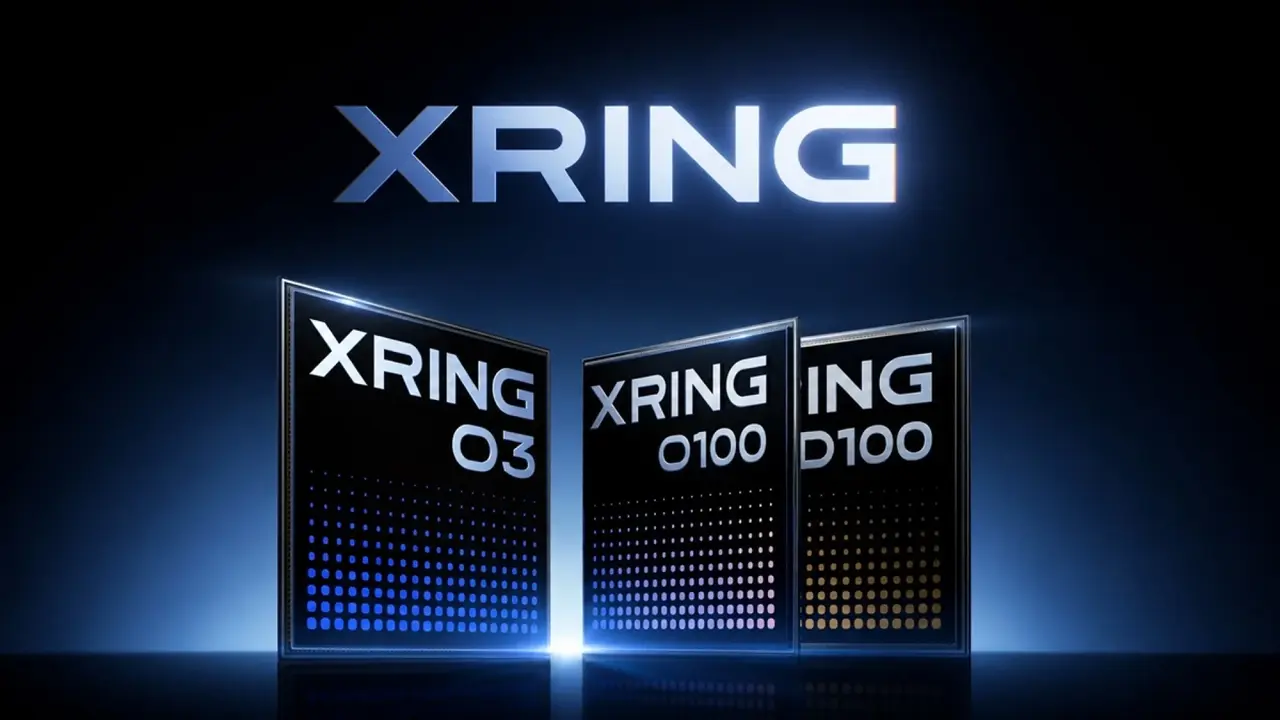
Xiaomi has officially introduced the XRING 03 chipset, a technological breakthrough designed to bridge the gap between mobile hardware and PC gaming environments. Developed using a cutting-edge 3nm production process, this new silicon addresses a long-standing limitation in ARM-based Mali GPU architectures by providing native support for the BCn texture format. This technical milestone allows the chipset to emulate high-end Windows titles that were previously incompatible with mobile devices. By integrating this specific hardware-level solution, Xiaomi aims to redefine the capabilities of portable gaming, positioning its latest innovation as a formidable competitor to industry leaders like the Snapdragon series.
- The Xiaomi XRING 03 chipset provides full support for BCn block-compressed texture formats to enable seamless Windows game emulation.
- A specialized 3nm manufacturing process enhances the overall performance and energy efficiency of the new hardware architecture.
- Recent Vulkan reports confirm that the XRING 03 fills a critical compatibility gap found in other ARM-based designs like Google Tensor.
- Hardware-level integration allows the Mali GPU to execute AAA gaming titles that were previously restricted by software limitations.
Vulkan Reports Confirm That Advanced Hardware Support Exists
Technological documentation and recent Vulkan reports have shed light on the specific technical capabilities that set the Xiaomi XRING 03 apart from its predecessors. According to data initially shared by Notebookcheck, this chipset successfully addresses a major hardware deficiency found in standard ARM architectures. While modern chips like the Google Tensor or MediaTek Dimensity offer high raw performance, they often lack native support for the BCn texture format, which is a staple in Windows-based game development.
By filling this specific technical void, Xiaomi has moved beyond the typical limitations of Mali GPUs. Previously, enthusiasts attempting to run Windows games on Android devices faced significant graphical glitches or outright failures because the hardware could not interpret the texture compression used by PC titles. The XRING 03 implements a hardware-level solution that translates these assets efficiently, ensuring that the emulation layer does not suffer from the massive performance overhead typically associated with software-based translation.
This development is particularly significant because it indicates a shift in how mobile manufacturers approach silicon design. Rather than focusing solely on synthetic benchmarks or power efficiency for standard mobile apps, Xiaomi is tailoring its hardware to meet the demands of a niche but rapidly growing segment of the gaming market.
The Mobile Gaming Ecosystem Faces a Significant Shift
The rise of Windows game emulation represents a transformative moment for the mobile industry, as it allows users to access a library of thousands of established titles. For a long time, hardware constraints acted as a ceiling for what could be achieved on a handheld device. With the introduction of the XRING 03, those barriers are beginning to dissolve, allowing for a more unified gaming experience across different platforms.
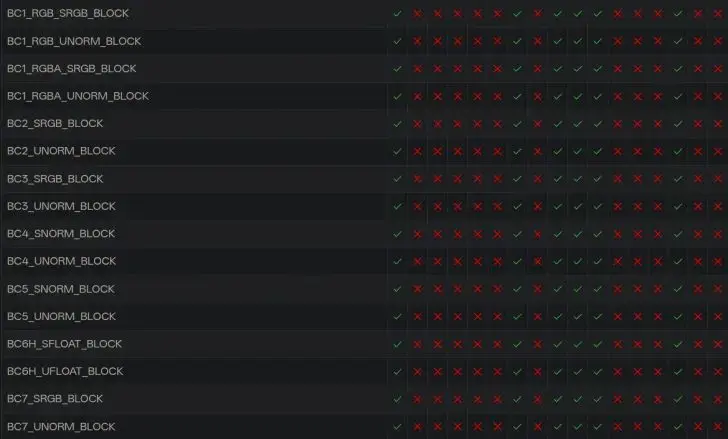
In the current market, many high-profile game developers remain hesitant to create native Android ports for AAA titles due to the high costs of optimization and the fragmented nature of the ecosystem. Emulation technologies serve as a vital bridge in this scenario, providing a pathway for PC games to run on mobile hardware without requiring a dedicated port from the original studio. The XRING 03 enhances this process by allowing the software layers to communicate more effectively with the underlying silicon.
Furthermore, the adoption of the 3nm manufacturing process ensures that these intensive emulation tasks do not immediately drain the battery or cause the device to throttle. This balance of power and efficiency is essential for making “gaming on the go” a viable reality for titles that were originally designed for power-hungry desktop environments.
Performance Expectations for Real-World Testing Remain High
While the technical specifications of the XRING 03 are impressive on paper, the global tech community is eagerly waiting for real-world performance benchmarks. The competitive landscape is already quite crowded, with processors like the Snapdragon 8 Elite Gen 5 demonstrating remarkable results in early emulation tests. Xiaomi’s success will likely depend on how well it manages the thermal output of the XRING 03 during sustained gaming sessions.
Effective cooling solutions will be a mandatory requirement for any device housing this new chipset, as emulating complex x86 instructions on an ARM architecture is a resource-intensive task. If Xiaomi can pair this silicon with advanced vapor chambers or active cooling systems, the XRING 03 could set a new gold standard for mobile gaming performance.
Ultimately, this move is more than just a simple hardware upgrade; it is a strategic repositioning of the Xiaomi brand within the global tech ecosystem. By prioritizing compatibility with PC-grade gaming assets, the company is signaling its intent to dominate the high-end mobile market and provide users with a level of versatility that was once thought impossible for a smartphone.
Do you believe that hardware innovations like the XRING 03 will eventually make PC gaming a standard feature on all mobile devices? Please share your thoughts on the future of emulation technology and how it might change your gaming habits in the comments section below.
Your comment has been submitted,
it will be published after approval.