
Meta Muse Overtakes ChatGPT as Top Free iPhone App

Meta’s new artificial intelligence tool, the Meta Muse application, has officially surpassed ChatGPT to become the most downloaded free iPhone app on the United States App Store. Since its launch earlier this month, the platform has experienced a rapid surge in user adoption, signaling a significant shift in the competitive landscape of the generative AI market. By prioritizing a seamless, messenger-style interface, Meta has successfully attracted a massive audience looking for intuitive AI interactions. This milestone underscores Meta’s growing influence in the sector, as users increasingly favor personalized, agent-based experiences over traditional query-based chatbot models for their daily digital workflows.
- The Meta Muse application has climbed to the top of the U.S. App Store rankings by outpacing ChatGPT in total downloads.
- Meta adopts a strategy that focuses on agent-based workflows designed to mimic familiar messaging platforms.
- The company released a Mac version of the application to expand its accessibility across desktop environments.
- The current success of the application highlights a growing consumer preference for highly personalized AI assistants.

Meta Changes Its Strategy for User Engagement
Meta is actively differentiating its approach from industry leaders like OpenAI and Anthropic by focusing on the persona of the AI. While many competitors remain rooted in productivity-centric chatbot models, Meta is integrating agent-based tools that function within the context of conversational interfaces. This design choice aims to provide users with a more natural and fluid interaction style. By treating the AI as a personalized assistant rather than a simple search tool, Meta is effectively reshaping how casual users integrate artificial intelligence into their daily routines.
This shift toward character-driven AI is not unique to Meta, as other developers such as SpaceXAI have also begun implementing similar messaging-style interfaces with their Grok Bot. These companies are betting on the idea that users want a more human-like connection with their software. By creating distinct roles and visual identities for these agents, Meta ensures that the interaction feels less like a technical command prompt and more like a collaboration with a sentient assistant.
Accessibility Remains a Top Priority for Developers
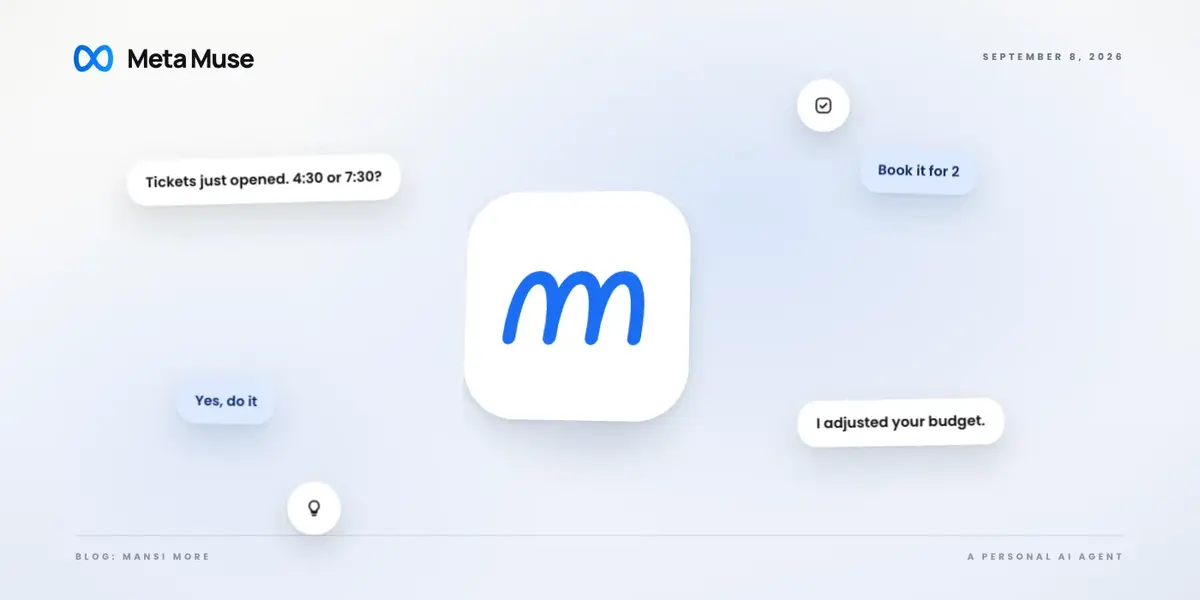
To maintain this momentum, Meta recently launched a dedicated Mac version of the Muse application. While this version is currently distributed through direct web downloads rather than the Mac App Store, it represents a clear commitment to multi-platform availability. By ensuring that users can transition seamlessly from their mobile devices to their desktop computers, Meta is attempting to capture a larger portion of the professional and casual user base. This cross-platform strategy is essential for sustaining the high engagement levels currently observed in mobile app metrics.
The rapid rise of the application has sparked a wider conversation about the future of AI assistants. Industry analysts are closely watching how competitors will respond to this new standard of user experience. Whether this surge in popularity signifies a long-term change in consumer behavior or a temporary trend remains to be seen, but the current data indicates that Meta has successfully tapped into a demand for more accessible, messaging-centric AI interactions.
We are curious to hear your thoughts on this shift in the AI landscape; do you believe the Meta Muse application provides a superior user experience compared to ChatGPT, or is this just a fleeting moment of popularity? Share your opinions in the comments section below.
Your comment has been submitted,
it will be published after approval.