
Cornell Researchers Develop Revolutionary EV Battery Regeneration Technology

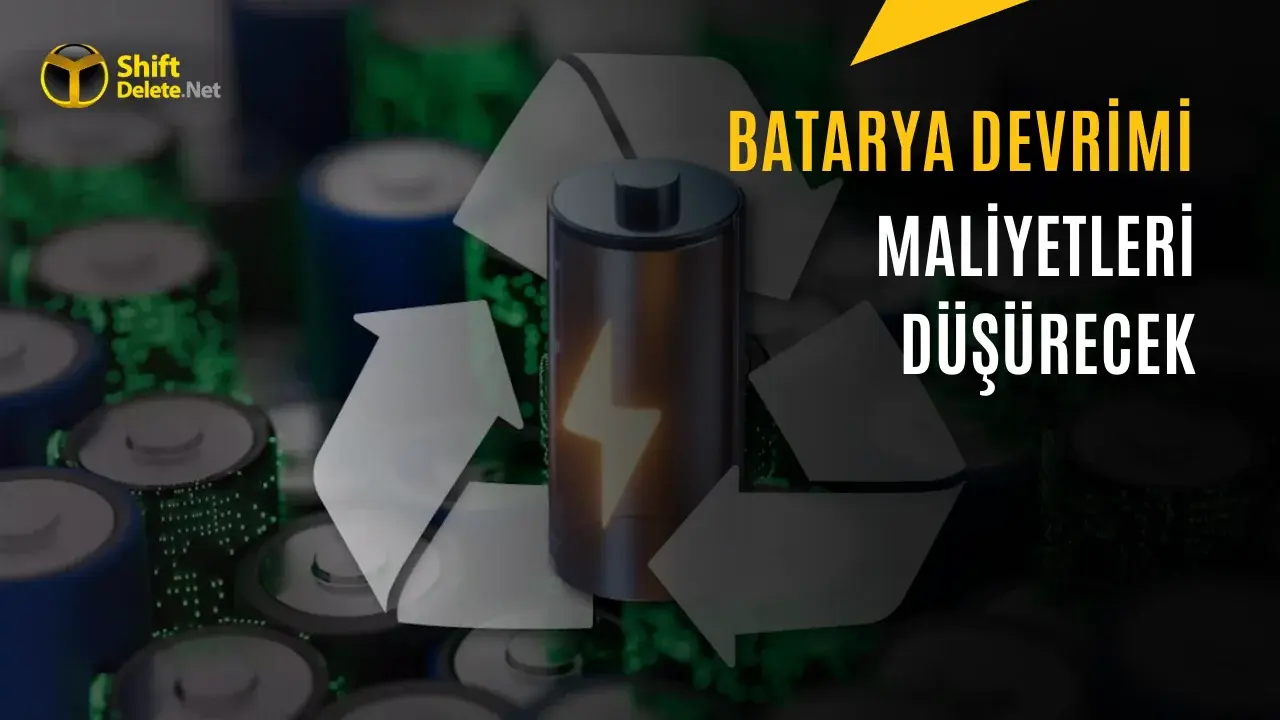
Researchers at Cornell University have introduced a breakthrough in sustainable mobility with a new electric vehicle battery regeneration technology known as DEER. This innovative method, officially titled Direct Electrode-to-Electrode Regeneration, addresses the growing environmental and economic challenge of managing spent lithium-ion batteries. By bypassing the traditional, energy-intensive process of breaking down batteries into raw materials, the DEER technique allows for the direct restoration of electrodes. This scientific advancement promises to extend the operational life of automotive batteries significantly, potentially lowering production costs and reducing the reliance on mining for new battery components in the evolving electric vehicle market.
- The DEER method restores battery electrodes by cleaning them with a specific chemical solution known as DMI.
- Regenerated battery cells successfully recovered up to 95 percent of their original storage capacity during laboratory testing.
- This process costs approximately 15.25 dollars per kilogram, offering a cost-effective alternative to traditional recycling methods.
- The technique minimizes performance degradation by slowing the rate of capacity loss compared to untreated cells.
Battery Performance is Restored Through Electrode Cleaning
Lithium-ion batteries typically experience performance degradation due to the accumulation of a protective layer called the solid electrolyte interphase (SEI) on the surface of electrodes. While this layer is essential for initial operation, it thickens excessively over repeated charge and discharge cycles. This physical change restricts the movement of lithium ions and electrons, leading to reduced energy storage and power output.
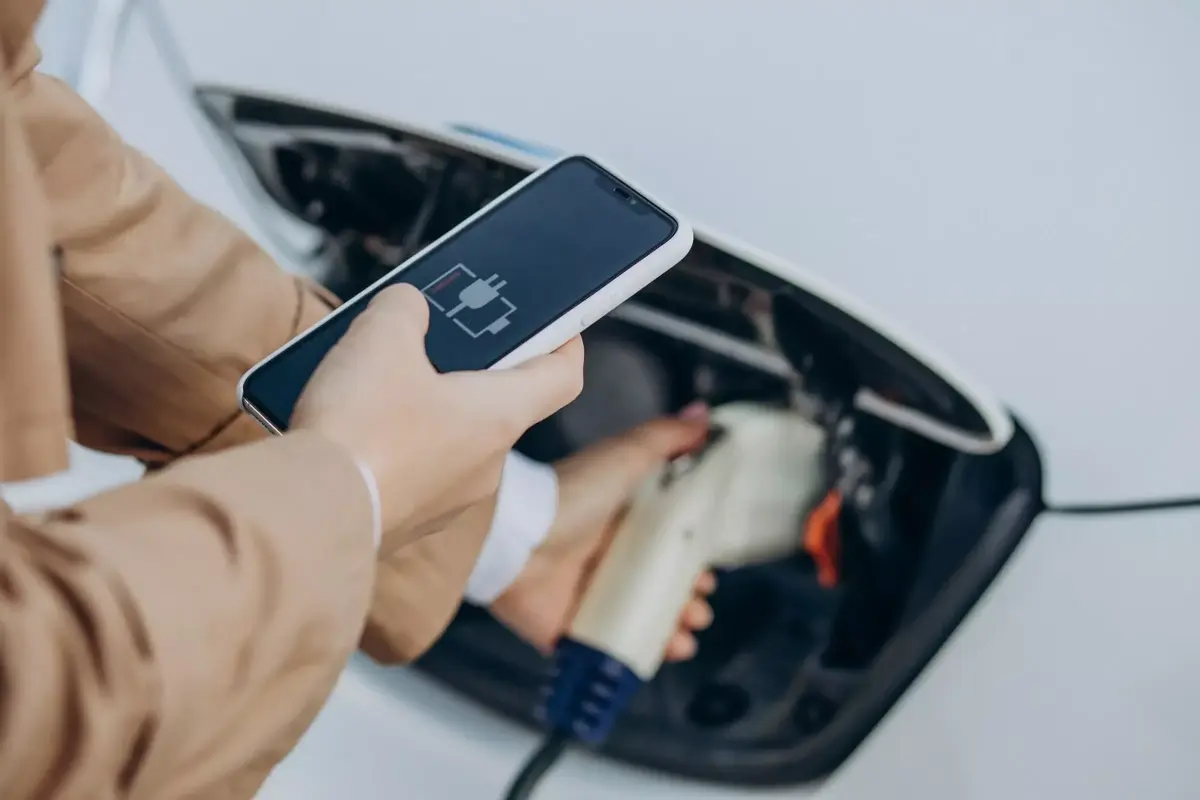
The DEER process targets this specific degradation mechanism. By extracting the electrodes and treating them with a specialized DMI chemical solution, researchers can effectively remove the thickened SEI layer without damaging the underlying electrode structure. Once cleaned, these components can be reassembled into new battery cells, effectively granting them a second life. Tests indicate that this treatment not only restores capacity to near-factory levels but also ensures that future degradation occurs at a much slower pace than in untreated batteries.
Conventional Recycling Methods are Being Challenged
Traditional recycling approaches usually involve shredding batteries to extract valuable metals like cobalt, nickel, lithium, and manganese. While effective for material recovery, these methods are often energy-intensive and involve complex, multi-stage chemical processes. In contrast, the DEER method focuses on maintaining the structural integrity of the components already manufactured. By prioritizing reuse over complete material decomposition, this technology enhances resource efficiency and supports a more circular economy within the automotive industry.
Technical Limitations are Still Being Addressed
While the potential for extending the electric vehicle battery life is substantial, the technology faces certain constraints. The DEER method is most effective when capacity loss is primarily linked to SEI accumulation. In cases involving severe structural damage, fractured particles, or internal mechanical failures, traditional recycling methods remain the most viable option. Furthermore, moving this technology from a controlled laboratory environment to a commercial, large-scale production line requires further optimization of the disassembly and chemical processing stages. As the industry continues to search for ways to lower the barrier to entry for electric vehicle ownership, the commercialization of such regeneration techniques will likely play a pivotal role in the sustainability of the transition to electric transport.
We would love to hear your thoughts on this innovative approach to sustainability; do you believe that battery regeneration technologies like DEER will be the key to making electric vehicles more affordable for everyone?
Your comment has been submitted,
it will be published after approval.