
Apple M6 Pro Geekbench Results Raise Serious Authenticity Concerns

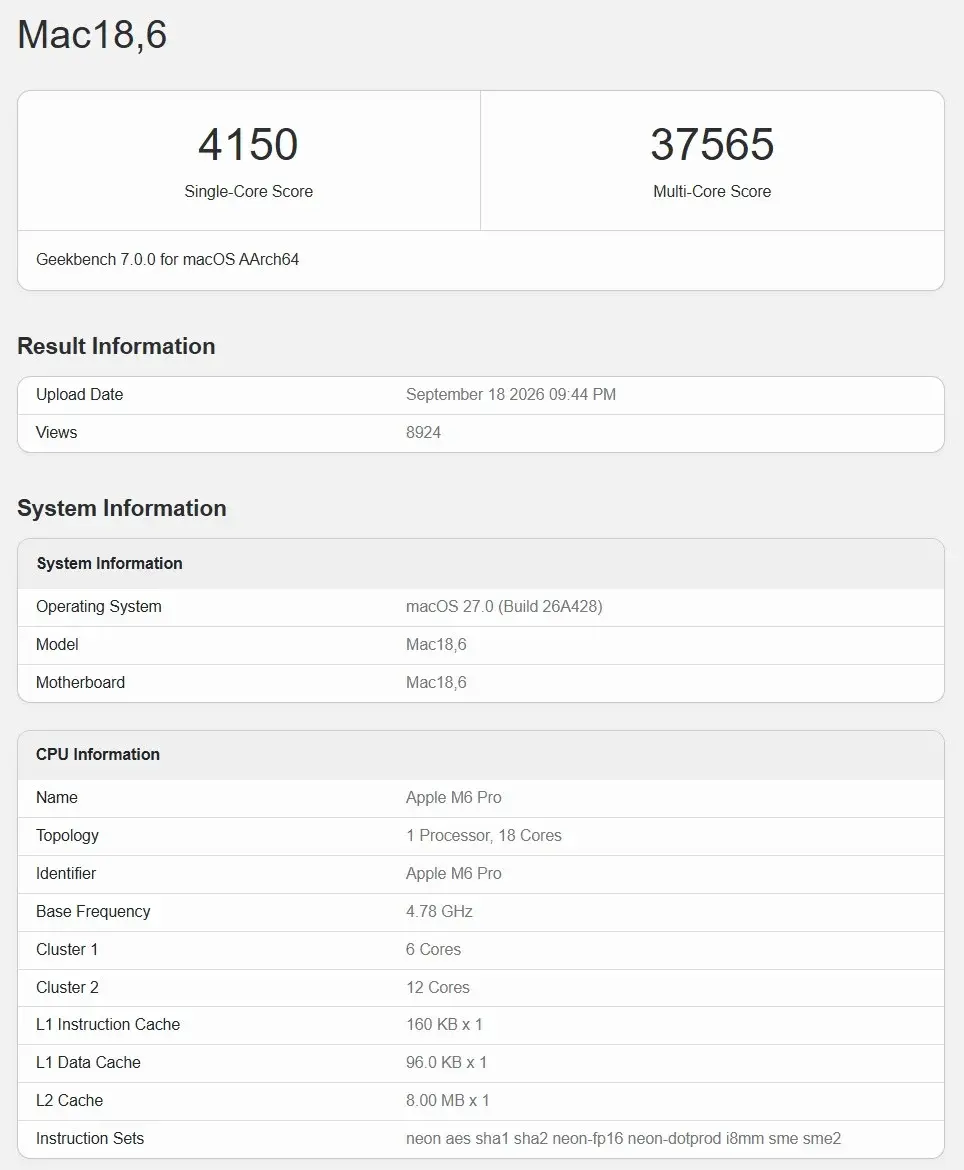
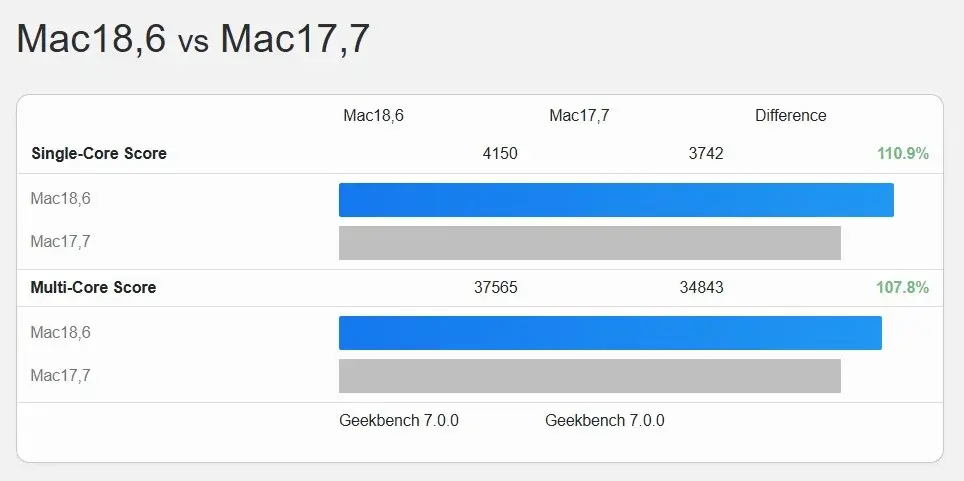
A recent listing on the Geekbench 7 platform claiming to showcase the performance of the unreleased Apple M6 Pro processor has ignited intense debate across the global technology community. The data, which suggested that the chip significantly outperforms the current M5 Max in both single-core and multi-core benchmarks, appeared briefly, prompting many to question whether these Apple M6 Pro Geekbench scores are authentic or merely a sophisticated fabrication. As industry experts and potential Mac buyers scrutinize these figures, the validity of such performance leaks has once again become a central topic of discussion regarding Apple’s future silicon roadmap.
- Geekbench founder John Poole identified internal inconsistencies that suggest the reported M6 Pro performance data are not legitimate.
- Industry analysts suggest that Apple may potentially bypass the M6 generation entirely to transition directly to the M7 architecture.
- Technical experts indicate that the suspicious benchmark scores could be the result of software-based manipulation rather than genuine hardware testing.
Geekbench Founder Warns About Potential Data Fabrication
The credibility of the leaked benchmark results has been severely challenged by none other than John Poole, the founder of the Geekbench platform. In a statement provided to MacRumors, Poole highlighted clear internal inconsistencies within the reported data, which strongly indicate that the results do not represent actual hardware performance.
This expert intervention serves as a significant warning to tech enthusiasts who initially viewed the high scores as a sign of imminent hardware upgrades for the MacBook Pro and Mac mini lineups.
Security researchers and performance analysts are currently investigating the possibility that these numbers were generated through sophisticated technical or software-based manipulation. The consensus among the professional community is that users should approach these specific Geekbench 7 results with extreme skepticism, as they do not align with the typical behavioral patterns of Apple’s silicon development cycles.
Future Roadmap Plans May Include Bypassing the M6 Generation
Beyond the immediate controversy surrounding the falsified benchmarks, there is growing speculation regarding Apple’s long-term hardware strategy. Previous reports from credible industry insiders, such as Mark Gurman of Bloomberg, have suggested that the company might opt to skip the M6 Pro and M6 Max iterations entirely. If this internal shift proves accurate, Apple would move directly to the M7 series, potentially rendering the current M6-related rumors entirely moot.
While the exact reasoning behind such a strategic pivot remains unconfirmed, the possibility of skipping a generation aligns with the company’s focus on prioritizing significant leaps in efficiency and computational power. Observers are now waiting for official guidance from Cupertino to clarify whether these processors were truly canceled during the development phase.
Technical Complexities Complicate Performance Evaluation
The leaked data purported to show higher clock speeds than those found in the current M5 Max, a detail that initially seemed plausible given Apple’s tendency to increase maximum operating frequencies with each generation. However, critics point to the unrealistic core counts presented in the fake listing as a primary indicator of its illegitimacy. While Apple’s Fusion Architecture does allow for impressive core density, the specific metrics provided in the fraudulent leak defy existing physical constraints.
Ultimately, these discrepancies underscore the difficulty of validating leaked data before an official product launch. Until Apple provides concrete details regarding its next-generation silicon, the community must remain cautious.
Given the ongoing debate regarding the potential shift to M7 architecture, we would love to hear your thoughts on whether you believe Apple should prioritize annual updates or focus on larger, multi-generational leaps in performance. Share your perspective in the comments section below.
Your comment has been submitted,
it will be published after approval.