
Paramount-Warner Bros. $111 Billion Merger Clears Final State Hurdle

The proposed $111 billion merger between media giants Paramount and Warner Bros. has overcome a significant legal obstacle in the United States, paving the way for one of Hollywood’s largest acquisitions. Legal challenges initiated by 12 states, aimed at halting the deal, have been successfully resolved through an agreement between the involved parties. This pivotal development removes the last major bureaucratic hurdle, bringing the massive consolidation closer to fruition and poised to reshape the entertainment landscape.
- The $111 billion Paramount-Warner Bros. merger cleared its final legal hurdle as 12 US states dropped their objections.
- An agreement between state officials and Paramount management was reached, removing a significant bureaucratic barrier.
- The acquisition will integrate major brands like HBO, HBO Max, CNN, TNT, and TBS into Paramount’s portfolio.
- Paramount plans to consolidate HBO Max and Paramount+ into a single streaming platform.
Legal Challenges Are Resolved for Paramount-Warner Bros. Merger
In a critical development for the entertainment industry, the legal efforts by 12 US states to block the proposed Paramount and Warner Bros. merger have been successfully resolved. This resolution eliminates a significant barrier that had previously cast uncertainty over the massive $111 billion deal, which is set to become one of the largest acquisitions in the sector’s history. According to reports from Bloomberg, state executives and Paramount management reached a final agreement, effectively clearing the path for the colossal acquisition to proceed without further bureaucratic delays.
Previously, concerns raised by these states had briefly jeopardized the entire process, highlighting the complex regulatory landscape surrounding such large-scale corporate consolidations. However, the newly forged consensus has entirely removed any remaining uncertainty for Paramount, signaling that the completion of the agreement is now largely a matter of time. The finalization of bureaucratic procedures is expected to officially bring this giant merger to life.
Concessions Were Likely Made by Paramount
While the specifics of the concessions made by Paramount to the states have not yet been officially disclosed, industry insiders are abuzz with speculation. It is widely believed that Paramount offered assurances regarding certain operational aspects to gain the states’ approval. These likely concessions reportedly include commitments to ensure a specific number of films are released in cinemas each year, as well as guarantees concerning employment levels within the states.
Such agreements are common in large mergers, designed to address potential antitrust concerns or impacts on local economies and industries. The willingness of both parties to reach a compromise underscores the strategic importance of this merger for Paramount and its vision for future growth and market dominance in the competitive media landscape.
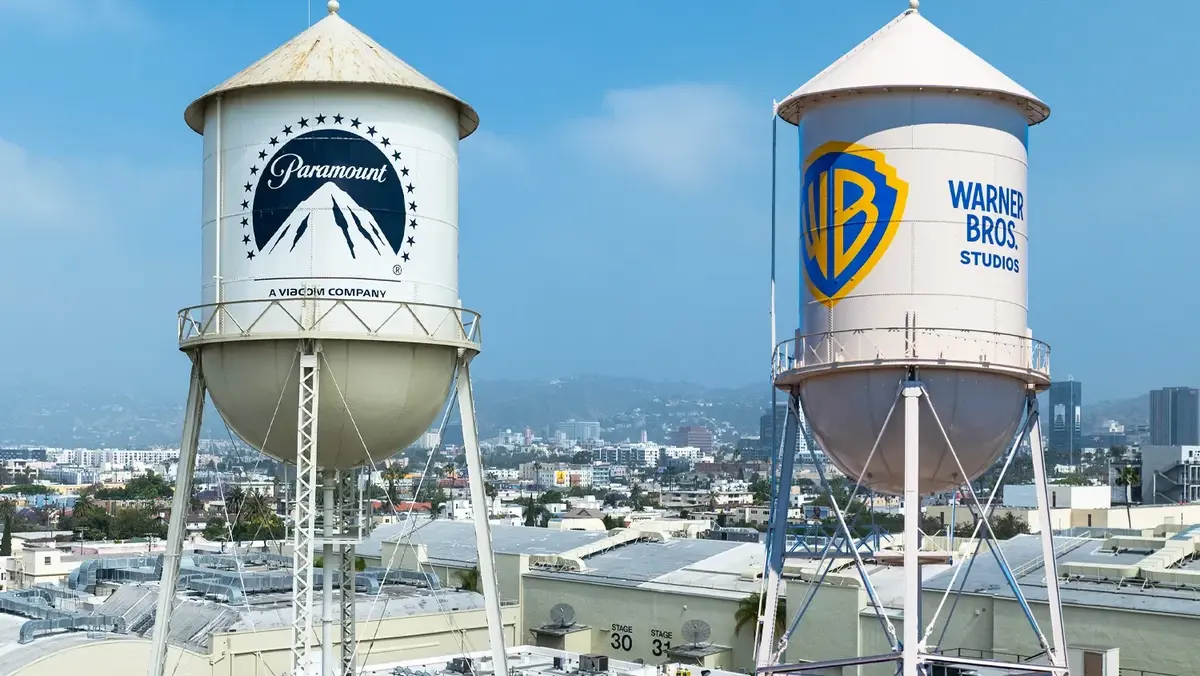
Streaming Platforms Will Be Consolidated
Upon the completion of the merger, Paramount will not only acquire a venerable film studio but also gain control over a vast array of prominent media brands. These include highly popular streaming services like HBO and HBO Max, along with significant television channels such as CNN, TNT, and TBS. This expansive portfolio will dramatically enhance Paramount’s reach and content library across various media formats.
A key strategic move planned by Paramount management involves the consolidation of HBO Max and Paramount+ platforms under a single banner. This unification is poised to significantly alter the dynamics of competition within the digital streaming market, offering a more unified and comprehensive content offering to subscribers. Despite the integration of their parent companies, both Warner Bros. and Paramount film studios are slated to continue their operational processes separately, ensuring that each studio maintains its distinct content production identity and creative autonomy.
Merger Completion Is Expected by 2027
Given the ongoing bureaucratic processes and the sheer scale of the integration, the full completion of the Paramount-Warner Bros. merger is currently anticipated to conclude in 2027. This ambitious acquisition by Paramount represents a pivotal turning point for the future of the global media landscape, promising profound changes across the industry.
This colossal integration process between the companies heralds a new era for both employees and audiences alike. The massive consolidation within the media sector is set to open a new chapter in terms of content diversity and platform accessibility, potentially reshaping how consumers access and experience entertainment. This unfolding process offers significant clues regarding the future strategies that media giants will pursue in the coming years, underscoring a transformative period for the industry.
This monumental merger marks a new era in media. How do you believe this consolidation will impact content diversity and viewer experience in the coming years?
Your comment has been submitted,
it will be published after approval.