
Apple Plans Major 2029 iPhone Pro CoE Screen Transition

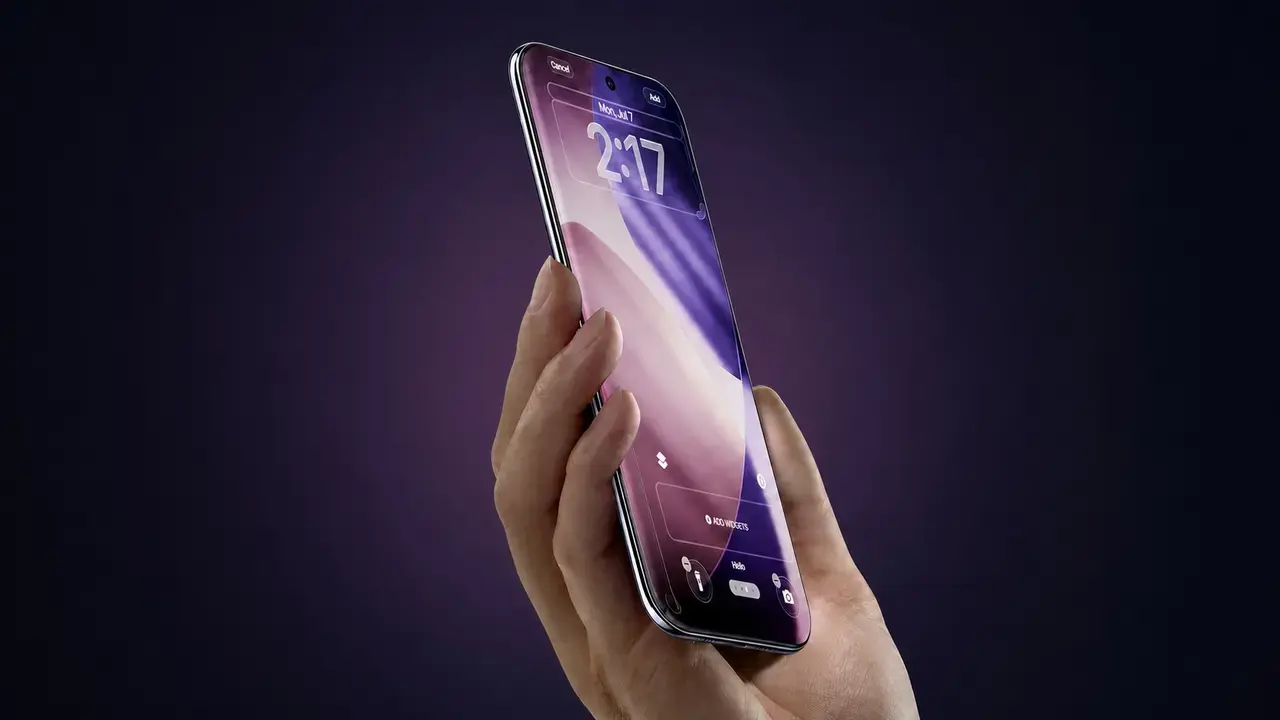
Apple is reportedly preparing a significant shift in display technology for its high-end iPhone Pro models, with plans to integrate Color Filter on Encapsulation (CoE) technology by 2029. According to recent insights from UBI Research, the tech giant intends to eliminate the traditional polarizer layer found in current OLED displays to create a thinner and more energy-efficient hardware profile. By adopting this advanced CoE approach, Apple aims to improve light transmittance significantly, while simultaneously freeing up internal device volume for larger batteries and enhanced camera systems, marking a pivotal evolution in smartphone engineering for the company.
- The CoE technology removes the polarizer layer to boost light transmittance by 33 percent.
- New display architecture reduces overall energy consumption by up to 25 percent.
- Apple intends to integrate this screen technology into mass-produced iPhone Pro models by 2029.
- Samsung Display and LG Display will likely serve as the primary suppliers for these panels.
CoE Technology Enhances Display Efficiency
Standard OLED panels utilize a polarizer layer to mitigate external glare, but this component inadvertently traps a significant portion of the light generated by the display. The implementation of CoE technology resolves this by placing the color filter directly onto the encapsulation layer, effectively bypassing the need for a separate polarizing sheet. This architectural change allows the device to achieve higher brightness levels while operating with lower power requirements. Although this method has been explored previously in foldable devices, its potential application in the flagship iPhone series signifies a major milestone in display innovation.
Technical Challenges Delay Implementation
Transitioning to a polarizer-free display structure presents notable engineering hurdles that necessitate careful planning. Removing the polarizer makes the display more susceptible to external light reflections, which requires complex solutions to maintain optimal visual clarity. Consequently, Apple has scheduled this transition for 2029 to ensure that essential features such as outdoor visibility, color accuracy, and viewing angles remain uncompromised. Engineers are currently focusing on the development of specialized low-reflection coatings and advanced black pixel definition layers to ensure a seamless and high-quality user experience.
Supply Chain Partners Anticipate Production Changes
Market reports suggest that the shift to CoE technology will impact a supply chain handling approximately 90 to 100 million panels annually, far exceeding the scale of previous applications. While Samsung Display and LG Display are expected to lead the supply efforts, industry analysts note that BOE could emerge as a significant competitor if it successfully meets Apple’s stringent quality benchmarks. This project, which began with experimental iPhone prototypes, is set to redefine the standards for the entire premium product lineup by the end of the decade.
How do you believe this shift to polarizer-free displays will impact your daily iPhone experience, and are you prioritizing battery life improvements in future models? Please share your thoughts and predictions in the comments section below.
Your comment has been submitted,
it will be published after approval.